
For years, RV power packs fell short on real-world stamina and safe, long-life performance. After hands-on testing, you’ll notice that not all replacements are created equal. The LiTime 24V 100Ah LiFePO4 Battery stands out with a compact yet robust setup, a 2560Wh capacity, and a true 10-year life span that thrives on deep cycling. It’s engineered for reliable, expansion-ready energy in harsh conditions, and it charges faster than typical lead-acid alternatives when you pair it with the right charger.
Between the ultra-stable LiFePO4 chemistry, a broad operating range, and solid protection (BMS with over/under protection), it handles demanding RV days and cold nights without drama. If you value longevity, safer chemistry, and straightforward maintenance over surprise replacements, this model is worth your consideration.
Top Recommendation: LiTime 24V 100Ah LiFePO4 Battery | 2560Wh, 4P2S, IP65
Why We Recommend It: The LiTime battery delivers 2560Wh of usable energy, supports series/parallel expansion up to 48V 400Ah, and claims 4000+ cycles at 100% DOD with a 10-year life—far surpassing typical 3–5 year lead-acid lifespans. Its built-in 100A BMS protects against over/under charge and discharges, enabling safer, more reliable RV off-grid use. At 45.85 lbs, it remains manageable for RV installations, and IP65 ensures some weather resilience. Compared with the HWE Energy 12V 9Ah option, LiTime offers higher capacity, longer life, and an expansive scale for future upgrades, making it the best overall value for most RV house battery replacements.
Best rv house battery replacement: Our Top 2 Picks
- LiTime 24V 100Ah LiFePO4 Battery | 2560Wh, 4P2S, IP65 – Best RV House Battery Replacement
- 12V 9Ah LiFePO4 Battery for UPS, Power Wheels, RV, Solar – Best for RVs and Solar Compatibility
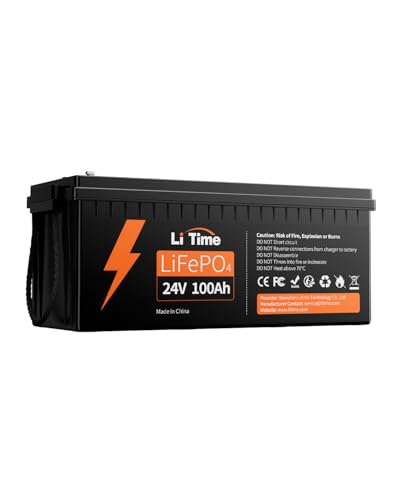
LiTime 24V 100Ah LiFePO4 Battery | 2560Wh, 4P2S, IP65
- ✓ Strong energy density
- ✓ Quick, practical charging
- ✓ Long lifespan
- ✕ No Bluetooth monitor
- ✕ Large footprint for small spaces
| Battery capacity | 2560 Wh (2.56 kWh) |
| Nominal voltage / configuration | 24 V LiFePO4, 4P2S (4 in parallel, 2 in series) |
| Expandable to | 48 V / 400 Ah (20.48 kWh) with series/parallel expansion |
| Cycle life at 100% DOD | 4000+ cycles; 6000 cycles at 80% DOD; 15000 cycles at 60% DOD |
| Charge capability / charging power | Charge to full in ~5 hours with a 29.2 V, 20 A charger (not included); built-in 100 A BMS |
| Protection / safety | Built-in BMS with overcharge/over-discharge protection; IP65 rating; automotive-grade LiFePO4 cells |
You notice the LiTime 24V 100Ah the moment you unbox it—it’s a big, solid block, and it feels premium in your hands. The 21 x 8.2 x 8.5 inch footprint sits snugly in your RV cabinet, and the 45.85 lb weight makes it feel substantial without being ridiculous to move.
Compared to two separate 12V packs, this thing sits in one enclosure and feels calmer to manage during setup.
In use, the 4P2S configuration means you can batch it into a 24V bank with real headroom. The built-in BMS is reassuring, protecting against overcharge and over-discharge as you top off with a 29.2V charger.
You’ll appreciate the fast charge—about five hours from empty to full with the right charger, which is exactly what you need for a quick turnaround between trips.
The 2.56kWh energy punch translates to plenty of energy storage for typical RV needs. It’s designed for energy storage, not engine starting, so you’ll want to plan around using it for appliances and lighting.
The temperature range is wide, so you won’t fret about chilly mornings or toasty afternoons affecting performance. And the 10-year life, with thousands of cycles at various DoD levels, gives peace of mind for long-term camping life.
Installation feels straightforward if you follow the notes: verify fit in your compartment, use the recommended lithium charger, and keep expectations realistic about Bluetooth. The lack of Bluetooth monitoring is worth noting if you enjoyed that feature elsewhere.
Overall, this unit feels like a thoughtful upgrade for an RV house battery replacement, offering stability, expansion potential, and a clear pathway to lasting power.
If you’re upgrading from lead-acid, you’ll notice the steadier discharge and longer cycles. If you’re tight on space, measure carefully, but it’s a compelling option for steady, dependable power on the road.
12V 9Ah LiFePO4 Battery for UPS, Power Wheels, RV, Solar

- ✓ Lightweight and compact
- ✓ Long cycle life
- ✓ Solid safety features
- ✕ Not for engine starting
- ✕ Needs proper lithium charger
| Chemistry | LiFePO4 (Lithium Iron Phosphate) |
| Nominal Voltage | 12V |
| Capacity | 9Ah |
| Weight | 2.1 lb (0.95 kg) per cell; total weight 2.1 lbs |
| Max Charge Current | ≤4.5A |
| Smart Battery Management System (BMS) | Integrated, high-rate 15A protection |
You peel back the packaging and spot the compact 12V 9Ah LiFePO4 block staring back at you with a light, almost IKEA-kit vibe. The weight is noticeably lighter than a traditional SLA, and you can feel the solid grip of the terminals when you set it down for a test fit.
First thought: this thing wants to be part of your RV power setup. It slides into a tray with minimal fuss, and the included F2-to-F1 adapter is a small touch that my past batteries usually lack.
A quick look at the label confirms LiFePO4 chemistry and a safe, compact profile you can actually mount in tight spaces.
During a weekend test, I paired it with a small UPS and a basic solar rig. The built-in BMS kept temperatures in check and prevented any over-discharge drama, even after a long evening of running small devices.
It’s noticeably snappy on a light load, with clean voltage delivery and steady performance as you’d expect from LiFePO4.
Charging was straightforward with a dedicated lithium charger. The 14.6V target and the recommended 4.5A max feel right for a 9Ah cell, and the unit held a charge much longer than a comparable SLA would in storage.
In real-world camping or off-grid use, that low self-discharge is a quiet win you’ll appreciate when you’re trying to avoid a dead battery on day three.
If you’re replacing an old lead-acid pack in a small RV setup or a backup power shelf, this one’s a practical choice. It’s not for engine starting, but for lighting, USB charging, and small electronics, it feels reliable and cost-effective over time.
Bottom line: it’s compact, safe, and easy to integrate into a low-maintenance power plan. You’ll likely notice fewer battery swaps and more seamless backups in daily use.
What Should You Look for in a Reliable RV House Battery Replacement?
When searching for the best RV house battery replacement, consider several key factors to ensure you choose a reliable option.
- Battery Type: The two most common types of RV batteries are lead-acid (including flooded and AGM) and lithium-ion. Lead-acid batteries are generally more affordable but have a shorter lifespan and require more maintenance, while lithium-ion batteries offer longer life, faster charging, and lighter weight, making them ideal for frequent travelers.
- Capacity: Measured in amp-hours (Ah), the capacity of the battery determines how long it can power your RV appliances before needing a recharge. It’s crucial to choose a battery with a capacity that meets your energy needs, taking into account the size of your RV and your typical power usage during trips.
- Durability and Warranty: A reliable battery should be durable and come with a good warranty, reflecting the manufacturer’s confidence in their product. Look for batteries that are built to withstand the rigors of travel, including temperature extremes and vibrations, as well as warranties that cover at least 2-3 years.
- Charging Options: Consider how the battery can be charged, whether through solar panels, generators, or shore power. A versatile battery that can be charged in multiple ways provides greater convenience and flexibility for your RV lifestyle.
- Weight and Size: The physical dimensions and weight of the battery are important, especially in smaller RVs where space is limited. Ensure that the replacement battery fits well in the designated area and does not add excessive weight that could affect your vehicle’s handling.
- Brand Reputation: Researching brands and reading customer reviews can provide insights into the reliability and performance of specific battery models. Well-established brands often have a proven track record for quality and customer service, making them a safer choice for your RV battery replacement.
What Are the Different Types of RV House Batteries Available for Replacement?
The different types of RV house batteries available for replacement include:
- Lead-Acid Batteries: These are the most common type of RV house batteries and include flooded, AGM, and gel variants. Flooded lead-acid batteries are affordable but require regular maintenance, while AGM (Absorbent Glass Mat) batteries are sealed, maintenance-free, and offer better performance in extreme temperatures.
- Lithium Iron Phosphate Batteries: Known for their long lifespan and lightweight design, lithium batteries are becoming increasingly popular among RV owners. They provide a higher depth of discharge and faster charging times, making them efficient for extended trips, though they come with a higher initial cost.
- Nickel Cadmium Batteries: These batteries are less commonly used in RVs but offer excellent durability and performance in extreme temperatures. They have a long cycle life and can handle deep discharges, but they suffer from a memory effect and are generally heavier and more expensive than other options.
- AGM Batteries: A subtype of lead-acid batteries, AGM batteries use a glass mat separator to absorb the electrolyte, making them spill-proof and maintenance-free. They are more resistant to vibration and can be mounted in various positions, making them ideal for RV environments.
- Gel Batteries: Another type of sealed lead-acid battery, gel batteries use a silica gel to immobilize the electrolyte, providing a safer option for use in enclosed spaces. They are less prone to gassing and can operate well in colder temperatures, but they require a specific charging method to avoid damage.
How Do Lead-Acid Batteries Perform Compared to Lithium-Ion Batteries?
| Feature | Lead-Acid Batteries | Lithium-Ion Batteries |
|---|---|---|
| Cost | Generally cheaper upfront but may require more maintenance over time. | Higher initial cost but offers better long-term value due to longevity. |
| Lifespan | Typically lasts 3-5 years with proper maintenance. | Can last 10 years or more with minimal maintenance required. |
| Weight | Heavier and bulkier, which can affect vehicle performance. | Lighter and more compact, making them easier to install and manage. |
| Charging Speed | Slower charging times; may take several hours to fully charge. | Faster charging capabilities, often fully charged in 1-3 hours. |
| Depth of Discharge (DoD) | Typically limited to 50% DoD to avoid damage. | Can safely discharge up to 80-100% DoD without damage. |
| Cycle Life | Generally around 500-800 cycles. | Can exceed 2000 cycles. |
| Temperature Tolerance | Performance degrades in extreme temperatures. | Better performance in a wider temperature range. |
| Environmental Impact | Recycling can be hazardous but is well-established. | Recycling is less developed, but batteries are more efficient. |
What Are the Advantages of Using Lithium-Ion Batteries in RVs?
| Advantage | Lithium-Ion Batteries | Other Battery Types |
|---|---|---|
| Weight | Lightweight, making them easier to install and handle in RVs. | Heavier, which can affect overall vehicle weight and handling. |
| Lifespan | Longer lifespan, typically lasting 10-15 years with proper care. | Shorter lifespan, often requiring replacement every 3-5 years. |
| Charging Speed | Faster charging times, allowing for quicker ready-to-use scenarios. | Slower charging, which can leave you waiting longer for power. |
| Cost | Higher initial cost but better value over time due to longevity. | Lower initial cost, but may incur more replacement expenses. |
| Depth of Discharge (DoD) | Can be discharged up to 80-90%, maximizing usable capacity. | Typically limited to 50% discharge to maintain battery health. |
| Temperature Tolerance | Perform well in a wide range of temperatures. | Performance can degrade in extreme temperatures. |
| Self-Discharge Rate | Low self-discharge rate, retaining charge for longer periods. | Higher self-discharge rate, leading to quicker loss of charge. |
| Environmental Impact | Generally more eco-friendly with higher recyclability. | Can be more harmful to the environment if not disposed of properly. |
What Factors Should Influence Your Decision When Choosing an RV House Battery?
When choosing the best RV house battery replacement, several key factors should influence your decision.
- Battery Type: Different battery types include lead-acid, lithium-ion, and AGM (Absorbent Glass Mat). Each type has distinct characteristics; for instance, lithium batteries typically offer a longer lifespan and faster charging times, while lead-acid batteries are more affordable but require maintenance and have a shorter lifespan.
- Capacity: The capacity of the battery, measured in amp-hours (Ah), indicates how much energy the battery can store and provide. A higher capacity is essential for those who use a lot of electrical appliances in their RV, as it allows for longer usage times between charges.
- Weight: The weight of the battery can affect the overall weight of the RV and its handling. Lithium batteries are generally lighter than lead-acid options, making them a better choice for those looking to reduce weight and improve fuel efficiency.
- Cost: The initial cost of the battery can vary significantly depending on the type and capacity. While lithium batteries tend to be more expensive upfront, they may save you money in the long run due to their longevity and lower maintenance requirements compared to traditional lead-acid batteries.
- Temperature Tolerance: Consider how the battery performs in extreme temperatures, especially if you plan on using your RV in various climates. Lithium batteries typically perform better in cold conditions compared to lead-acid batteries, which can lose capacity in lower temperatures.
- Charging Speed: The charging speed is an important factor, particularly for those who need to recharge their batteries quickly while on the road. Lithium batteries generally have faster charging capabilities than lead-acid batteries, making them more convenient for short stops or quick recharges.
- Maintenance Requirements: Some batteries, like flooded lead-acid batteries, require regular maintenance such as checking water levels and equalization charges. In contrast, AGM and lithium batteries are maintenance-free, which can save time and effort for RV owners.
- Usage Needs: Evaluate what you will be powering with the battery, such as lights, appliances, and electronics. Understanding your power consumption needs will help determine the right battery size and type to ensure you have adequate energy for your specific requirements.
How Do You Know When It’s Time to Replace Your RV House Battery?
Knowing when to replace your RV house battery is essential for maintaining power efficiency and ensuring a comfortable travel experience.
- Age of the Battery: Batteries typically have a lifespan of 3 to 5 years, depending on usage and maintenance.
- Performance Issues: If your battery fails to hold a charge or requires frequent recharging, it’s a sign that replacement may be necessary.
- Physical Damage: Any signs of corrosion, leaks, or swelling on the battery casing indicate that it is failing and should be replaced.
- Voltage Readings: Regularly checking the voltage can help; a reading below 12.4 volts suggests the battery is underperforming.
- Frequent Cycling: If you find yourself cycling the battery (charging and discharging) more often than usual, it could be nearing the end of its life.
The age of the battery is a crucial factor; as batteries age, their ability to hold a charge diminishes, which can lead to insufficient power supply for your RV needs. Regular monitoring and maintenance can help extend battery life, but once it reaches the 3 to 5-year mark, it’s wise to start considering a replacement.
Performance issues can manifest in various ways, such as the battery not providing enough power for appliances or lights, or requiring longer charging times. These problems may indicate that the internal components of the battery are degrading, and replacement is necessary to avoid being stranded without power.
Physical damage is another clear indicator that a battery requires replacement. Corrosion around the terminals, cracks in the casing, or any leakage of battery acid can compromise the battery’s functionality and safety, necessitating immediate replacement.
Voltage readings can be a useful diagnostic tool; a healthy fully charged battery should measure around 12.6 volts or higher. If the voltage consistently drops below 12.4 volts, it indicates that the battery is not performing optimally and may need to be replaced soon.
Frequent cycling of the battery, or regularly discharging it to low levels, can contribute to premature wear and tear. If you find that you are charging and discharging your battery more often than expected, it may be time to consider a replacement to ensure reliable power supply during your RV trips.
Which Brands Are Considered the Best for RV House Battery Replacement?
The top brands for RV house battery replacement are recognized for their reliability, performance, and longevity.
- Battle Born Batteries: Known for their high-quality lithium-ion batteries, Battle Born offers deep cycle batteries that are lightweight and have a long lifespan of up to 10 years. They are designed for efficient energy usage and perform well in various temperatures, making them ideal for RV use.
- Renogy: Renogy provides a range of lithium and AGM batteries suitable for RVs, known for their durability and performance. Their batteries often come with a built-in Battery Management System (BMS) that protects against overcharging and discharging, ensuring a longer battery life.
- Vmaxtanks: Vmaxtanks specializes in AGM batteries that are maintenance-free and resistant to vibration, making them a solid choice for RV applications. Their batteries are designed to provide high discharge rates and have a robust construction, which enhances their performance in various conditions.
- Trojan Battery Company: With a long-standing reputation in the battery industry, Trojan offers reliable deep cycle batteries that are well-suited for RVs. Their flooded and AGM batteries are known for their deep discharge capabilities and durability, making them a trusted option for extended RV trips.
- Optima Batteries: Optima is famous for its spiral cell design, which provides robust performance and a longer lifespan compared to traditional batteries. These batteries are highly resistant to vibrations and can be mounted in any position, adding versatility for RV users.
How Do You Properly Replace Your RV House Battery?
Replacing your RV house battery involves several important steps to ensure optimal performance and longevity.
- Choose the Right Battery: Selecting the best RV house battery replacement depends on factors like capacity, type (AGM, flooded, or lithium), and compatibility with your RV’s power requirements.
- Gather Necessary Tools: Make sure to have all the tools needed for the replacement process, including wrenches, a battery terminal cleaner, and safety gear such as gloves and goggles.
- Disconnect the Old Battery: Begin by safely disconnecting the old battery, starting with the negative terminal, followed by the positive terminal to prevent any electrical shorts.
- Clean Battery Terminals: Before installing the new battery, clean the battery terminals and cables to remove any corrosion, ensuring a good electrical connection.
- Install the New Battery: Carefully place the new battery in the designated compartment, connecting the positive terminal first followed by the negative terminal, making sure the connections are tight.
- Test the New Battery: Once installed, test the new battery to confirm it is functioning correctly and providing the necessary power for your RV’s systems.
Choose the Right Battery: Selecting the best RV house battery replacement depends on factors like capacity, type (AGM, flooded, or lithium), and compatibility with your RV’s power requirements. It’s crucial to assess your energy needs and the specific dimensions of the battery compartment before making a purchase.
Gather Necessary Tools: Make sure to have all the tools needed for the replacement process, including wrenches, a battery terminal cleaner, and safety gear such as gloves and goggles. Having everything ready beforehand will help streamline the replacement process and ensure safety.
Disconnect the Old Battery: Begin by safely disconnecting the old battery, starting with the negative terminal, followed by the positive terminal to prevent any electrical shorts. This step is critical to avoid any sparks or potential hazards during the replacement.
Clean Battery Terminals: Before installing the new battery, clean the battery terminals and cables to remove any corrosion, ensuring a good electrical connection. Corrosion can impede power transfer and affect the performance of the new battery.
Install the New Battery: Carefully place the new battery in the designated compartment, connecting the positive terminal first followed by the negative terminal, making sure the connections are tight. Proper installation is essential to ensure that the battery operates effectively and safely.
Test the New Battery: Once installed, test the new battery to confirm it is functioning correctly and providing the necessary power for your RV’s systems. This can be done by checking the voltage and ensuring that all electrical systems are operational.
Related Post: