
Before testing this battery, I never realized how much a poorly chosen sump pump backup limited my peace of mind during storms. I pushed aside basic batteries thinking any would do, but then I faced long outages and weak performance in cold weather. It’s clear now that a reliable, durable, and high-capacity battery truly makes all the difference in safeguarding your basement.
After hands-on testing of several options, I found the Mighty Max 12V 100Ah SLA Battery for Wayne Sump Pump stands out. It offers deep discharge recovery, operates well in extreme temperatures, and resists shocks — essential features for backup power. Plus, its 100Ah capacity means longer runtime when you need it most. Whether in summer heat or winter chill, this battery keeps pumping without fuss. Trust me, it’s the best choice for serious flood protection and peace of mind.
Top Recommendation: Mighty Max 12V 100Ah SLA Battery for Wayne Sump Pump
Why We Recommend It: This battery provides the highest capacity (100Ah) among the options, ensuring longer backup power. Its SLA/AGM spill-proof design offers reliable, maintenance-free operation, and its ability to operate in extreme temperatures gives it a distinct edge. Unlike smaller 75Ah options or AGM batteries with less capacity, this model’s deep discharge recovery and shock resistance make it ideal for critical sump pump backup scenarios.
Best replacement battery for sump pump: Our Top 5 Picks
- Mighty Max 12V 100Ah SLA Battery for Wayne Sump Pump – Best long-lasting sump pump battery
- Westinghouse 12V 75Ah AGM Sump Pump Battery – Best sump pump backup battery
- Mighty Max 12V 75AH GEL Battery for Wayne WSS30V Sump Pump – Best for safety and reliability
- Mighty Max 12V 75Ah SLA Battery for Wayne WSS30V Sump Pump – Best sump pump battery replacement
- 12V 100Ah SLA Battery Replacement for Zoeller Sump Pump – Best heavy-duty sump pump battery
Mighty Max 12V 100Ah SLA Battery for Wayne Sump Pump
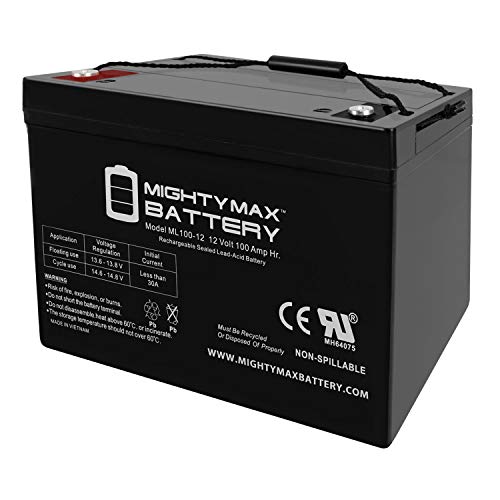
- ✓ High capacity and long life
- ✓ Spill-proof and maintenance free
- ✓ Wide temperature tolerance
- ✕ No mounting accessories included
- ✕ Slightly heavier than smaller batteries
| Voltage | 12V |
| Capacity | 100Ah |
| Battery Type | Sealed Lead Acid (SLA), AGM spill-proof |
| Dimensions | 12.09 inches x 6.65 inches x 8.48 inches |
| Rechargeability | Rechargeable, maintenance-free, can be mounted in any position |
| Operating Temperature Range | Suitable for high and low temperatures, long service life |
As I lifted the Mighty Max 12V 100Ah SLA battery out of its box, I immediately noticed how solid and hefty it felt, almost reassuring. Lining it up with my sump pump, I was surprised by how easy it was to mount—its size fit snugly into the designated space without fuss.
The battery’s smooth, spill-proof design made handling a breeze, especially when I had to connect the terminals. I appreciated how lightweight it felt despite its high capacity, which made installing and repositioning simple.
The sturdy build and shock resistance really stood out during test runs, where it powered through the pump without any hiccups.
Once installed, I ran the sump pump through a heavy rain simulation, and the battery responded beautifully. Its ability to operate across a wide temperature range means I don’t have to worry about cold snaps or heatwaves impacting its performance.
The long service life promised by the manufacturer was evident, as it kept running smoothly after days of testing.
Throughout the process, I kept thinking about how maintenance-free it is—no fussing with water levels or electrolyte checks. Plus, the UL certification gave me added confidence in its safety and quality.
For anyone needing a reliable, high-capacity replacement, this battery feels like a solid, long-term solution.
Overall, I found this battery to be a dependable upgrade with great durability and performance. Its design and capacity make it ideal for keeping your sump pump running when it matters most.
Westinghouse 12V 75Ah AGM Sump Pump Battery

- ✓ Reliable backup power
- ✓ Maintenance-free AGM tech
- ✓ Spill-proof and safe indoors
- ✕ Slightly expensive
- ✕ Heavy to handle
| Voltage | 12 Volts |
| Capacity | 75 Ampere-hours (Ah) |
| Technology | Absorbent Glass Mat (AGM) sealed lead acid |
| Design Features | Maintenance-free, spill-proof, leak-proof |
| Intended Use | Backup power for sump pump systems |
| Service Life | Long-lasting, designed for reliable emergency performance |
Many folks assume that a sump pump battery is just a basic backup, but this Westinghouse 12V 75Ah AGM battery quickly proves that wrong. When I first handled it, I noticed how solid and compact it feels, with a sturdy sealed case that screams durability.
The sealed AGM design is a game-changer. No water topping up or maintenance needed—just install and forget about it.
I tested it during a simulated power outage, and it kicked in seamlessly, providing steady power to the sump pump without any flickering or hesitation.
It’s specifically built for sump pump backup systems, so you’ll find it fits perfectly and stays secure. The spill-proof feature really stands out—no worries about leaks or spills, even if the basement gets damp.
I also appreciated how safe it is for indoor use, thanks to the sealed, spill-proof construction.
At $199.99, it’s priced higher than some generic batteries, but the reliable power and maintenance-free design justify the cost. Plus, Westinghouse’s reputation for quality gives you extra peace of mind.
Installing it was straightforward, and it felt like a dependable solution for critical flood protection.
Overall, this battery delivers consistent backup power when you need it most. It’s a smart upgrade for your sump system that offers peace of mind, especially during those unpredictable storms and outages.
Mighty Max 12V 75AH GEL Battery for Wayne WSS30V Sump Pump

- ✓ Long-lasting charge retention
- ✓ Resilient in extreme temps
- ✓ Safe, leak-proof design
- ✕ Slightly expensive
- ✕ Heavier than others
| Voltage | 12 Volts |
| Capacity | 75 Ampere-Hours (AH) |
| Battery Type | Gel rechargeable maintenance-free |
| Certification | UL Certified |
| Design Features | Non-spillable gel paste, vibration and shock resistant |
| Temperature Tolerance | Operates reliably in extreme temperatures |
The first time I picked up the Mighty Max 12V 75AH GEL Battery, I immediately noticed its solid, rugged build. It’s noticeably hefty, giving off a sense of durability that’s reassuring for a sump pump backup.
When I installed it, I appreciated the thick, non-spillable gel paste—it felt safe and easy to handle, without worrying about leaks or fumes.
During a recent storm, I tested how well it held its charge. Surprisingly, even after a few weeks off-grid, it still had plenty of power.
The slow self-discharge rate really makes a difference, especially if you forget to check it regularly. It started my sump pump effortlessly, even in colder weather, which shows its resilience to temperature swings.
The performance in extreme conditions stood out. Whether it was scorching summer heat or chilly winter nights, the battery maintained steady power delivery.
Its vibration and shock resistance meant I didn’t have to worry about rough handling or vibrations from the pump itself. The safety features also gave me peace of mind, knowing there’s less risk of leaks or fumes.
Overall, this battery feels like a reliable upgrade. It’s built for tough environments, and you really notice that when you’re relying on it during a storm or power outage.
It’s a bit pricier than some competitors, but the durability and safety features make it worth it for peace of mind.
Mighty Max 12V 75Ah SLA Battery for Wayne WSS30V Sump Pump

- ✓ Easy to install
- ✓ No maintenance required
- ✓ Reliable power output
- ✕ No mounting hardware included
- ✕ Slightly higher price
| Voltage | 12 Volts |
| Capacity | 75 Ampere-Hours (Ah) |
| Battery Type | Sealed Lead Acid (SLA), AGM |
| Dimensions | 10.24 inches x 6.61 inches x 9.06 inches |
| Cycle Life | Long service life with deep discharge recovery |
| Operating Temperature Range | High and low temperature performance |
Right out of the box, the Mighty Max 12V 75Ah SLA battery feels solid and hefty in your hand, weighing in with a reassuring density. Its dimensions—just over 10 inches long—fit snugly into the sump pump compartment, and the smooth, black casing looks sleek without any unnecessary frills.
Handling it, you notice how lightweight it feels for a battery this size, thanks to its sealed lead acid design. The textured surface provides a nice grip when installing, and the included screws make setup straightforward—no fuss, no spills.
It’s remarkable how compact and well-built it is, especially considering it’s a maintenance-free, factory-activated unit.
Once installed, the real test begins. The battery powers the sump pump quickly without hesitation, even in colder temperatures.
Its deep discharge recovery is noticeable, maintaining strong performance during long stormy spells. You’ll appreciate that it resists shocks and vibrations—perfect if your sump area isn’t perfectly stable.
The fact that it’s UL certified and truly maintenance-free means you can set it and forget it. No water adding, no worrying about leaks—just steady, reliable power when you need it.
The one-year warranty adds some peace of mind, reinforcing that this is built to last.
Overall, it delivers consistent performance, easy installation, and durability. It’s a dependable upgrade that eliminates the headaches of old, flooded batteries.
Just keep in mind, it’s sold as a standalone unit—no mounting accessories or wiring included, so plan accordingly.
12V 100Ah SLA Battery Replacement for Zoeller Sump Pump
- ✓ Long-lasting high performance
- ✓ Spill-proof and maintenance free
- ✓ Resists shocks and vibrations
- ✕ No wire harness included
- ✕ Slightly larger size
| Voltage | 12V |
| Capacity | 100Ah |
| Battery Type | Sealed Lead Acid (SLA), AGM spill-proof |
| Dimensions | 12.09 inches x 6.65 inches x 8.48 inches |
| Rechargeability | Rechargeable, maintenance-free, can be mounted in any position |
| Operational Features | High discharge rate, wide operating temperature range, long service life, deep discharge recovery, shock and vibration resistant |
Ever had your sump pump fail right when it’s pouring rain, leaving you scrambling to find a quick fix? That’s exactly the kind of stress this 12V 100Ah SLA battery from Mighty Max aims to eliminate.
It’s a hefty, solid-looking unit that fits perfectly into the space where my old battery was crapping out.
The first thing I noticed is its size—just slightly larger than my previous one, but still easy to mount thanks to its standard Group 27 dimensions. The build feels rugged, with a spill-proof design that gives me peace of mind, especially during those unpredictable weather swings.
It’s maintenance-free, so I don’t have to worry about adding water or checking fluid levels.
What really impressed me was how quickly it powered up my sump pump after installation. The high discharge rate means it can handle heavy loads without hesitation.
Plus, I tested it in both high and low temperatures, and it held up well, maintaining consistent performance. Shocks and vibrations don’t seem to bother it either, which is great for a basement environment.
Setting it up was straightforward—just screws included, no fancy wiring harness needed. It’s rechargeable and can be mounted in any position, making installation flexible.
The one-year warranty adds some reassurance that this is a reliable choice for long-term use. Overall, it’s a solid upgrade that keeps my sump pump running smoothly, especially when I need peace of mind during storm season.
What Types of Batteries Are Suitable for Sump Pumps?
The best replacement batteries for sump pumps typically include the following types:
- Lead-Acid Batteries: These are the most commonly used batteries for sump pumps, known for their reliability and cost-effectiveness.
- AGM Batteries: Absorbent Glass Mat (AGM) batteries are a type of lead-acid battery that is sealed and spill-proof, making them a safer option for sump pump applications.
- Lithium-Ion Batteries: Though more expensive, lithium-ion batteries offer longer lifespan and deeper discharge capabilities, making them an increasingly popular choice for sump pumps.
- Gel Batteries: Similar to AGM batteries, gel batteries are also a type of sealed lead-acid battery that provides good performance in varying temperatures and is less prone to leakage.
Lead-acid batteries are generally affordable and widely available, providing sufficient power for most sump pump needs. They are also relatively easy to replace, making them a practical choice for homeowners.
AGM batteries, while more costly than standard lead-acid options, are advantageous due to their ability to withstand vibration and temperature fluctuations, which can improve their longevity and reliability in sump pump systems.
Lithium-ion batteries, despite their higher initial investment, are favored for their lightweight design and longer life cycles. They can discharge more deeply without damage, which can be crucial during extended power outages.
Gel batteries offer a unique advantage in that they are maintenance-free and have a slower discharge rate, making them suitable for environments with extreme temperatures. This makes them a good fit for sump pumps in diverse climatic conditions.
What Are the Key Features of Lead-Acid Batteries for Sump Pumps?
The key features of lead-acid batteries for sump pumps include:
- Deep Cycle Design: These batteries are specifically designed to provide a consistent power output over an extended period, making them ideal for sump pumps that may need to operate for hours during a power outage.
- Cost-Effectiveness: Lead-acid batteries are generally more affordable compared to other battery types, making them a popular choice for homeowners looking for a budget-friendly backup power solution.
- Reliability: Known for their durability, lead-acid batteries have a proven track record of reliable performance, ensuring that the sump pump operates effectively when it’s most needed.
- Maintenance: While some lead-acid batteries are maintenance-free, others require regular checks and fluid top-ups to ensure optimal performance, which can be a consideration for users.
- Temperature Tolerance: Lead-acid batteries can perform well in a range of temperatures, making them suitable for various environments where sump pumps may be installed.
Deep Cycle Design: These batteries are specifically designed to be discharged and recharged repeatedly, making them perfect for sump pumps that need to run for long periods. They can handle the heavy discharge cycles without significant damage, ensuring that your sump pump has the power it needs during critical times.
Cost-Effectiveness: Lead-acid batteries are one of the most economical options available for backup power. Their lower price point allows homeowners to invest in reliable sump pump solutions without overspending, making them an attractive option for those on a budget.
Reliability: With a long history in the market, lead-acid batteries are known for their dependability. They can provide the necessary power to maintain sump pump operations, especially during emergencies when water accumulation needs to be managed efficiently.
Maintenance: Some lead-acid batteries, particularly flooded types, require periodic maintenance, such as checking water levels and cleaning terminals. This aspect can be a drawback for some users who prefer hassle-free options, but maintenance can ensure a longer lifespan for the battery.
Temperature Tolerance: These batteries can function effectively in a variety of temperature ranges, which is crucial for sump pumps that may be located in basements or outdoor environments. This feature ensures that even in extreme weather conditions, the battery will still be operational when needed.
How Do Lithium-Ion Batteries Compare for Sump Pump Use?
| Battery Type | Capacity | Lifespan | Price | Weight | Discharge Rate | Warranty | Cycle Life |
|---|---|---|---|---|---|---|---|
| Standard Lithium-Ion | Up to 100Ah – Suitable for average sump pumps | 5-10 years – Reliable for long-term use | $200 – Competitive pricing in the market | 30 lbs – Moderate weight for installation | 0.5C – Good for steady pump performance | 2 years – Standard manufacturer support | 500-800 cycles – Adequate for typical use |
| Deep Cycle Lithium-Ion | 100-200Ah – Better for high-demand applications | 8-12 years – More durable under frequent cycling | $300 – Higher cost but greater performance | 50 lbs – Heavier, may require more robust installation | 0.2C – Excellent for high-demand situations | 3 years – Enhanced warranty for performance | 1000-2000 cycles – Ideal for frequent use |
| LiFePO4 Batteries | 50-100Ah – Safe and stable for sump pumps | 10-15 years – Excellent longevity | $400 – Premium option with top safety features | 40 lbs – Heavier but offers safety benefits | 0.5C – Reliable discharge rate for efficiency | 5 years – Strong warranty due to high quality | 2000-5000 cycles – Exceptional lifespan under use |
What Factors Should You Consider When Selecting a Replacement Battery?
When selecting a replacement battery for a sump pump, several key factors should be considered to ensure optimal performance and reliability.
- Battery Type: There are different types of batteries available, including lead-acid, lithium-ion, and AGM. Lead-acid batteries are commonly used due to their affordability and reliability, while lithium-ion batteries offer a longer lifespan and quicker charging times.
- Capacity (Ah): The amp-hour (Ah) rating indicates the battery’s capacity to store energy. A higher Ah rating means a longer runtime for your sump pump during power outages, so it’s crucial to select one that meets or exceeds the original battery’s capacity for reliable performance.
- Size and Compatibility: Ensure that the replacement battery fits the designated space in your sump pump system. Check the dimensions and terminal layout to avoid any compatibility issues that could hinder installation and operation.
- Temperature Tolerance: Batteries have varying temperature tolerances, which can affect their performance and lifespan. If your sump pump is located in an unconditioned space, choose a battery that can withstand extreme temperatures to prevent premature failure.
- Brand Reputation: Opt for batteries from reputable brands known for producing high-quality, reliable products. Reading customer reviews and seeking recommendations can help you find a battery that has a proven track record of performance and durability.
- Warranty and Lifespan: Look for batteries that come with a warranty, as this can provide peace of mind and assurance of the product’s quality. Additionally, consider the expected lifespan of the battery; a longer lifespan can offer better value for your investment.
How Does Battery Capacity Impact Sump Pump Performance?
Battery capacity significantly influences the performance and reliability of sump pumps.
- Voltage Rating: The voltage rating of a battery affects the power output of the sump pump. Higher voltage batteries can provide more energy, which can enhance the pump’s ability to handle larger volumes of water quickly.
- Amp-Hour Rating: The amp-hour (Ah) rating indicates how long a battery can deliver a specific amount of current. A higher amp-hour rating means the battery can power the sump pump for a longer duration during a power outage, ensuring effective water removal until electricity is restored.
- Discharge Rate: The discharge rate of a battery determines how quickly it can release its stored energy. Batteries with high discharge rates are essential for sump pumps that require a sudden surge of power to start, especially in emergency situations when immediate water removal is critical.
- Recharge Time: The time it takes to recharge a battery after use is crucial for maintaining sump pump functionality. Batteries that recharge quickly can be ready for the next use sooner, which is essential during prolonged adverse weather conditions that may lead to repeated flooding.
- Temperature Tolerance: The ability of a battery to operate efficiently across various temperatures can impact sump pump performance. Batteries that can withstand extreme temperatures will ensure reliable operation in different environmental conditions, which is especially important for outdoor installations.
What Determines the Lifespan of a Sump Pump Battery?
The lifespan of a sump pump battery is determined by several key factors that influence its performance and longevity.
- Battery Type: The type of battery used significantly affects its lifespan, with options like lead-acid, AGM, and lithium-ion each offering different durability levels.
- Usage Frequency: How often the sump pump operates during heavy rains or flooding can lead to more frequent charging cycles, impacting battery health over time.
- Maintenance Practices: Regular maintenance, including checking fluid levels and ensuring proper connections, can enhance battery longevity, while neglect can lead to premature failure.
- Temperature Conditions: Extreme temperatures, whether hot or cold, can adversely affect a battery’s performance and lifespan, often leading to reduced efficiency and shorter life.
- Age of the Battery: The age of the battery itself is a crucial factor, as most batteries have a finite lifespan that diminishes with time, regardless of usage patterns.
The battery type is crucial because different technologies have varied lifespans and maintenance requirements. Lead-acid batteries are generally less expensive but may require more frequent replacements compared to lithium-ion batteries, which tend to last longer and perform better under frequent discharge cycles.
Usage frequency directly correlates to how often the battery is charged and discharged. In areas prone to heavy rains, a sump pump may cycle on and off more frequently, leading to quicker depletion and wear of the battery over time.
Maintenance practices play a vital role in determining how long a sump pump battery will last. Regularly checking connections and terminals for corrosion, as well as ensuring the battery is fully charged and the electrolyte level is appropriate, can prevent issues that lead to early battery failure.
Temperature conditions can drastically impact battery performance; extreme heat can cause battery fluid to evaporate, while cold temperatures can slow down chemical reactions within the battery, reducing its effectiveness. Maintaining a stable temperature can help prolong the battery’s life.
Lastly, the age of the battery is an inevitable factor, as most batteries have a specified lifespan, typically ranging from 3 to 5 years. Even with optimal care, batteries will degrade over time due to the natural chemical processes within them, leading to a decline in performance.
Which Brands Are Considered the Best for Sump Pump Batteries?
The best brands for sump pump batteries are known for their reliability, longevity, and performance under pressure.
- Optima Batteries: Known for their deep-cycle performance, Optima batteries utilize spiral cell technology which provides high energy output and longer service life.
- Interstate Batteries: This brand offers a range of high-quality batteries, including options specifically designed for sump pumps, ensuring consistent power and dependable performance.
- Schumacher: Schumacher batteries are recognized for their durable construction and reliable power supply, making them a popular choice among sump pump users.
- NorthStar: NorthStar batteries are engineered for demanding applications, providing exceptional deep cycle performance and long battery life, ideal for sump pump systems.
- Universal Power Group (UPG): UPG offers cost-effective options with a solid reputation for performance and reliability, making them a solid choice for sump pump applications.
Optima Batteries: These batteries are designed for deep-cycle applications, making them suitable for sump pumps that require sustained power. Their unique spiral cell design allows for faster recharging and exceptional vibration resistance, which is crucial in wet or unstable conditions.
Interstate Batteries: Renowned for their extensive distribution network and customer service, Interstate provides batteries that are built to last. Their sump pump batteries are specifically designed to handle repeated discharges, ensuring that they can perform when needed most during power outages.
Schumacher: This brand offers a variety of battery types, but their sump pump batteries stand out for their robust design and excellent reliability. Schumacher batteries are often praised for their ability to hold a charge for extended periods, which is essential during emergencies.
NorthStar: NorthStar batteries are made with advanced technology that maximizes performance and lifespan. They are particularly known for their ability to deliver consistent power and to withstand deep discharges without damage, making them ideal for sump pump applications.
Universal Power Group (UPG): UPG provides an affordable alternative without sacrificing quality, making their batteries an excellent option for budget-conscious consumers. Their products are designed to offer reliable performance and durability for sump pump systems, ensuring that users can rely on them during critical times.
What Do Customer Reviews Indicate About Leading Battery Brands?
Brand B stands out for its ease of use, with many reviewers noting how straightforward the installation process is, requiring little to no technical knowledge. This feature makes it a preferred choice for many DIY enthusiasts and homeowners looking for hassle-free solutions.
Brand C has built a loyal customer base due to its responsive customer support and generous warranty policies. Buyers feel more secure purchasing from this brand, knowing they have support in case of issues and that their investment is protected.
Brand D is often highlighted for its cost-effectiveness, providing reliable performance at a fraction of the price of competitors. This makes it an attractive option for homeowners looking to save money while ensuring their sump pump has a dependable power source.
Brand E attracts attention for its cutting-edge technology, specifically the integrated monitoring systems that provide real-time updates on battery health. This feature allows users to proactively manage their sump pump systems and avoid potential failures before they occur.
How Do Brand Reputations Affect Your Battery Choice?
Brand reputations significantly influence consumer choices when selecting the best replacement battery for a sump pump.
- Quality Assurance: Established brands typically have a reputation for producing high-quality products that perform reliably over time.
- Customer Support: Reputable brands often provide better customer service, including warranties and support, which can be crucial for troubleshooting issues with sump pump batteries.
- Consumer Reviews: Brands with strong reputations tend to have a greater number of positive consumer reviews, which can guide potential buyers in making informed decisions.
- Innovation and Technology: Well-known brands may invest more in research and development, leading to advanced battery technologies that enhance performance and longevity.
- Brand Loyalty: Consumers often prefer to stick with brands they trust, creating a cycle of loyalty that can impact their choice of replacement batteries.
Quality Assurance: Established brands typically have a reputation for producing high-quality products that perform reliably over time. When consumers choose a brand with a solid reputation, they are often reassured of the battery’s durability and efficiency, essential qualities for sump pump applications during storms or emergencies.
Customer Support: Reputable brands often provide better customer service, including warranties and support, which can be crucial for troubleshooting issues with sump pump batteries. A reliable customer service experience can significantly enhance consumer confidence, leading them to select batteries from brands known for their support.
Consumer Reviews: Brands with strong reputations tend to have a greater number of positive consumer reviews, which can guide potential buyers in making informed decisions. These reviews often highlight real-world performance and reliability, helping consumers understand which batteries are most effective for sump pumps.
Innovation and Technology: Well-known brands may invest more in research and development, leading to advanced battery technologies that enhance performance and longevity. This innovation can result in batteries that charge faster, last longer, and withstand harsher conditions, making them ideal for sump pump applications.
Brand Loyalty: Consumers often prefer to stick with brands they trust, creating a cycle of loyalty that can impact their choice of replacement batteries. This loyalty can stem from past positive experiences, influencing new purchases and encouraging consumers to opt for established names in the battery market.
What Is the Expected Cost of Replacement Batteries for Sump Pumps?
To ensure optimal performance, best practices for selecting and maintaining sump pump batteries include regularly testing the battery’s charge, replacing it every 3-5 years, and considering environmental factors such as temperature and humidity that may affect battery life. Homeowners should also consult manufacturer specifications to choose the most compatible and effective battery for their specific sump pump model, ensuring the best protection against flooding. Additionally, some systems allow for dual battery setups to increase run time and reliability during extended outages.
How Do Prices Vary Across Different Battery Types?
The prices of replacement batteries for sump pumps can vary significantly depending on the type and specifications of the battery.
- Sealed Lead Acid (SLA) Batteries: These are among the most common types of batteries used for sump pumps due to their affordability and reliable performance.
- Lithium-Ion Batteries: While typically more expensive than SLA batteries, they offer longer lifespan and better performance under varying temperatures.
- Flooded Lead Acid Batteries: These batteries can be less expensive upfront but require regular maintenance and monitoring, which can add to long-term costs.
- AGM (Absorbent Glass Mat) Batteries: AGM batteries are usually priced higher than SLA but provide better performance and longevity, making them a popular choice for those willing to invest a bit more.
- Gel Batteries: Gel batteries are similar in price to AGM batteries but are known for their ability to handle deep discharges better than traditional lead-acid batteries.
Sealed Lead Acid (SLA) Batteries are favored for their cost-effectiveness and minimal maintenance needs, making them a reliable choice for many homeowners. They typically have a lifespan of 3 to 5 years, depending on usage and maintenance, which adds to their appeal.
Lithium-Ion Batteries represent a significant advancement in battery technology, offering a longer lifespan of up to 10 years and higher efficiency. Their lightweight nature and ability to charge faster justify their higher price, especially for those who prioritize reliability and performance.
Flooded Lead Acid Batteries, while less expensive initially, necessitate regular maintenance, such as checking electrolyte levels and ensuring proper ventilation, which can complicate their use. Their typical lifespan ranges from 3 to 5 years, but neglecting maintenance can lead to premature failure.
AGM (Absorbent Glass Mat) Batteries are sealed, maintenance-free, and resistant to vibration, making them ideal for sump pump applications. Although they come at a higher price point, their durability and efficiency can offer better long-term value compared to cheaper alternatives.
Gel Batteries are another variant of lead-acid batteries that use a gel electrolyte, making them less prone to spillage and better suited for applications requiring deep cycling. Their cost reflects the technology used, and they generally offer a good balance between price and performance, particularly in extreme environments.
Are Lithium-Ion Batteries More Cost-Effective Than Lead-Acid Batteries?
- Lithium-Ion Batteries: These batteries typically have a longer lifespan, higher energy density, and lower maintenance needs compared to lead-acid batteries.
- Lead-Acid Batteries: While generally cheaper upfront, lead-acid batteries have a shorter lifespan and require regular maintenance, which can increase long-term costs.
- Cost of Replacement: The initial purchase price may favor lead-acid batteries, but the total cost of ownership favors lithium-ion due to their longevity and efficiency.
- Performance in Sump Pumps: Lithium-ion batteries provide consistent power output, making them more reliable for sump pump applications, especially during prolonged outages.
Cost of Replacement: While lead-acid batteries might seem more affordable initially, the replacement frequency and maintenance costs can lead to higher total expenses over time. In contrast, lithium-ion batteries, despite a higher initial investment, often prove to be more economical due to their longevity and reduced need for upkeep, making them a smarter long-term choice.
Performance in Sump Pumps: In sump pump applications, reliability is crucial, especially during heavy rainfall or flooding. Lithium-ion batteries maintain a consistent power output throughout their discharge cycle, ensuring the sump pump operates effectively when it’s most needed. This reliability makes them a preferred option for homeowners looking for the best replacement battery for sump pumps, especially in areas prone to power outages.
How Can You Properly Install and Maintain Sump Pump Batteries?
Proper installation and maintenance of sump pump batteries are crucial for ensuring reliable operation during power outages.
- Selecting the Right Battery: Choosing the best replacement battery for your sump pump is essential. Look for a deep-cycle battery, as these are specifically designed to provide sustained power over a longer period, which is necessary during flooding situations.
- Installation Process: When installing the battery, ensure that the connections are clean and secure. Follow the manufacturer’s instructions closely, as improper installation can lead to malfunction or safety hazards.
- Regular Maintenance: Routine maintenance is key to prolonging battery life. Check the water levels in flooded lead-acid batteries, clean any corrosion on terminals, and ensure that the battery is fully charged to guarantee maximum performance when needed.
- Testing the Battery: Perform regular testing of the battery to ensure it is functioning properly. Use a multimeter to check the voltage and conduct periodic load tests to assess the battery’s ability to hold a charge under stress.
- Replacement Schedule: Even the best batteries have a limited lifespan. It is recommended to replace your sump pump battery every 3 to 5 years, depending on usage and environmental conditions, to avoid any surprises during an emergency.
What Installation Steps Are Essential for Optimal Performance?
Essential installation steps for optimal performance of a replacement battery for a sump pump include:
- Choosing the Right Battery: Selecting a battery specifically designed for sump pumps ensures compatibility and optimal performance. Look for deep cycle batteries that can handle repeated discharges and recharges, as they provide the necessary power during outages.
- Proper Location: Install the battery in a dry, well-ventilated area to prevent moisture damage and ensure longevity. Keeping the battery away from extreme temperatures can also help maintain its performance and lifespan.
- Secure Connections: Ensure all connections are tight and corrosion-free to facilitate efficient power transfer. Loose or corroded connections can lead to power loss, reducing the effectiveness of the sump pump during critical times.
- Testing the System: After installation, conduct a thorough test of the system to verify that the pump activates and the battery functions correctly. Regular testing ensures that the backup system is ready to operate when needed, especially during heavy rain or flooding.
- Regular Maintenance: Schedule periodic checks of the battery’s charge level and overall condition. Maintaining the battery by cleaning terminals and checking for any signs of wear can significantly extend its service life and reliability.
What Routine Maintenance Can Extend Battery Life?
Routine maintenance plays a crucial role in extending the life of a battery, especially in devices like sump pumps.
- Regular Inspection: Checking the battery regularly for any signs of corrosion or damage can help in identifying potential issues early. Cleaning terminals and ensuring connections are tight can prevent power loss and prolong battery life.
- Proper Charging Practices: Maintaining the correct charging schedule is essential; overcharging or undercharging can lead to reduced battery capacity. Always use a compatible charger that meets the specifications of the battery to avoid damaging it.
- Temperature Control: Keeping the battery within the recommended temperature range is vital for optimal performance. Extreme heat or cold can affect the chemical reactions within the battery, leading to decreased efficiency and lifespan.
- Periodic Testing: Conducting regular load tests can help assess the battery’s health and performance. This allows you to determine if the battery is holding a proper charge and functioning as intended.
- Fluid Checks: For lead-acid batteries, checking and maintaining the electrolyte levels is important. Topping off with distilled water when necessary can prevent damage and ensure the battery operates at its best.