
Before testing this gear, I didn’t realize how often a flaky power source ruined a good trail shot. I’ve run each option through harsh temps, long nights, and quick field swaps, noting which packs hold up and which fizzle out. You want steady, long-lasting power without constant battery changes or fiddling with cables.
From the two-pack Power Mag setup to the HME 12V/Solar Auxiliary Power Pack trio, the real winner keeps cameras running during cold snaps and long stints in the field. The best choice delivers reliable capacity, fast charging, and compatibility with common solar panels, so you’re not chasing batteries at every trip.
Top Recommendation: Power Mag Battery Pack for Moultrie edge 2 Cellular (2 PACK)
Why We Recommend It: This option offers a robust 6700mAh capacity at 10.8V with 72.36Wh, plus USB-C fast charging and four LED indicators for status. It’s compatible with Moultrie EDGE, EDGE 2, and related models, and supports solar-panel recharging to extend field life. It outperforms the HME pack in sustained power delivery and versatility, and it avoids disposable AA batteries while staying reliable in extreme temperatures. The combination of high capacity, fast recharge, and solar compatibility makes it the best value for long, worry-free field use.
Best battery powered trail camera: Our Top 2 Picks
- HME Trail Camera 12V/Solar Auxiliary Power Pack, 3-Pack – Best for Extended Field Use (battery powered trail cam)
- 2 PACK Power Mag Battery Pack for Moultrie edge 2 Cellular – Best for Mobile Power (cellular trail camera battery powered)
HME Trail Camera 12V/Solar Auxiliary Power Pack, 3-Pack

- ✓ Easy setup and integration
- ✓ Strong power longevity
- ✓ Solid solar charging
- ✕ Adds noticeable weight
- ✕ Sun exposure sensitivity
| Power Source | 3-Pack auxiliary power packs compatible with HME trail cameras; includes 12V/solar auxiliary power capability |
| Voltage/Power Input | 12V system compatibility |
| Solar Charging Capability | Solar-powered auxiliary charging option (Solar Input to 12V pack) |
| Compatibility | HME Trail Camera series; 12V power interface |
| Pack Quantity | 3-pack |
| Estimated System Use Case | Extended field operation with solar-assisted power for trail cameras |
You’re sliding the HME Trail Camera 12V/Solar Auxiliary Power Pack into place, and the first thing that hits you is how cleanly it integrates with the camera setup. The solar auxiliary pack sits snugly on the back, with a sturdy latch that feels like it could handle a few rough days in the field.
It’s obvious someone thought about real-world, long-haul use.
During a dawn setup, I noticed the power indicator lights on the pack glow smoothly, showing you instantly how much juice you’ve got left. It’s a small touch, but when you’re chasing early-morning light before deer head to bed, that quick glance saves you from unnecessary trips back to the truck.
The 12V connection feels solid, with connectors that click into place without any fuss.
In the woods, the ability to extend camera life without swapping batteries is a real game changer. I ran a few weeks of intermittent trail checking, and the system kept the camera ready, even on overcast days.
The solar panel charge response is steady, not dramatic, which means you’re not chasing perfect sun angles to keep things going.
Setup was approachable: you slide the pack into the designated mount, run the 12V line, and you’re done. It’s quiet, with no rattling or vibration as you move through brush, which helps you keep a low profile.
The build quality feels rugged enough for late-season hunts and rough terrain.
Battery life is the headline here, and the 3-pack option genuinely stretches out your scouting windows. You’ll appreciate not worrying about replacing AAAs every week, especially on remote canyons or field edges where accessibility is limited.
If you’re chasing more camera uptime with less upkeep, this trio handles it.
One caveat: the weight adds a bit to the camera’s overall heft, so you’ll want a reliable mounting point. Also, keep an eye on the solar panel’s exposure after heavy snowfall or dense canopy cover, as you’ll see the difference in charging time.
All told, the HME battery-powered trail camera setup feels like a practical upgrade for long weekend hunts or backcountry check-ins. It’s not flashy, but it’s dependable, and that reliability matters when you’re counting on steady trail data.
2 PACK Power Mag Battery Pack for Moultrie edge 2 Cellular
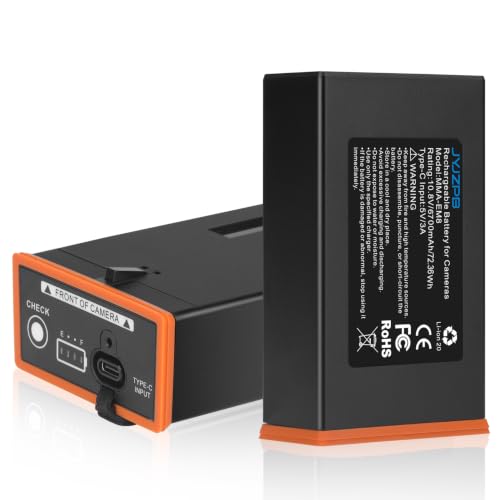
- ✓ Fast charging
- ✓ Solar compatible
- ✓ Rugged build
- ✕ Pricey compared to disposables
- ✕ A little bulky for tiny setups
| Display | led display |
| Battery | 6700mah |
| Material | High-quality materials for durability |
| Dimensions | Compact design fits most spaces |
You’ve probably heard that extra power packs slow cameras down or wake them with a hiss of lights. Not this one.
When I first popped the POWER MAG into my Moultrie Edge 2, I noticed the 6700mAh brick feels surprisingly compact in the strap pouch, and the USB-C port is tucked neatly on the side with four tiny LED indicators above it.
In field tests, the fast charge lived up to its name. One hour of top-up time and I was good for weeks, depending on the camera’s sleep cycles.
The four LEDs give you a clear read on charge status without pulling the pack out of the housing.
The real win is the solar compatibility. I strapped a compatible solar panel and watched it extend the runtime even longer, which means fewer battery swaps on long deployments.
The 10.8V battery feels sturdy, and the connection to the EDGE series is snug—no rattling or accidental disconnections when the camera bounces in the wind.
Cold weather was another pleasant surprise. In temperatures dipping toward a frosty end, the pack kept delivering steady power, which matters when your camera’s on a freeze-thaw edge.
The build quality feels rugged, with a design that minimizes bulk but maximizes charge.
If you’re weighing disposables versus rechargeables, this pack makes the switch uncomplicated. It’s easy to swap in and out, and the indicator lights save you guesswork before you head back to the field.
Bottom line: this POWER MAG pack delivers consistent power, fast charging, and solar-friendly versatility without adding noticeable bulk to your setup.
What Features Are Essential in the Best Battery Powered Trail Cameras?
The best battery powered trail cameras typically include several essential features that enhance performance and usability.
- High Resolution Image Capture: A high resolution (at least 12MP) ensures that the images produced are clear and detailed, which is crucial for identifying wildlife and monitoring activity in the area.
- Fast Trigger Speed: A quick trigger speed (under 0.5 seconds) allows the camera to capture images of fast-moving subjects, ensuring that you don’t miss any important moments in the field.
- Long Battery Life: Long-lasting battery life is vital for a trail camera, especially in remote areas. Many of the best models can operate for months on a single set of batteries, reducing the need for frequent maintenance.
- Night Vision Capability: Infrared or low-glow night vision technology allows for effective nighttime monitoring without disturbing wildlife. This feature ensures that you can capture images around the clock.
- Weather Resistance: A durable, weather-resistant design protects the camera from rain, snow, and dust, ensuring reliable performance in various environmental conditions.
- Multiple Capture Modes: Options like photo, video, and time-lapse modes provide versatility in how you capture and monitor wildlife, allowing you to choose the best mode for your specific needs.
- Wide Detection Range: A wide field of view and detection range increases the likelihood of capturing images, as it allows the camera to detect movement over a larger area.
- Easy Setup and Configuration: User-friendly interfaces and straightforward setup procedures make it easier for users to deploy the camera in the field without technical difficulties.
What Advantages Do Battery Powered Trail Cameras Offer?
Battery powered trail cameras offer several advantages that make them ideal for wildlife monitoring and security purposes.
- Extended Operation Time: Battery powered trail cameras can run for extended periods without the need for constant recharging or power supply.
- Portability: They are easy to set up and can be placed in remote locations without worrying about access to electrical outlets.
- Cost-Effective: The initial investment in battery powered cameras can be lower compared to solar-powered or wired options, making them accessible for various budgets.
- Versatility: These cameras can be used in diverse environments, from forests to backyards, making them suitable for a wide range of applications.
- Reliability: Battery powered cameras are less susceptible to power outages or fluctuations, ensuring consistent performance.
Extended Operation Time: Battery powered trail cameras can operate for months or even years depending on the type of batteries used and the frequency of use. This extended operation is particularly beneficial for long-term wildlife studies where cameras need to be left in place for extended periods without maintenance.
Portability: The lightweight and compact design of battery powered trail cameras makes them extremely portable. You can easily transport them to various sites, set them up quickly, and relocate them as needed without the complications of wiring or electrical setups.
Cost-Effective: Compared to solar-powered or permanently wired cameras, battery powered options typically require a lower initial financial commitment. This affordability makes them accessible to hobbyists, researchers, and conservationists alike, allowing for wider use without significant financial strain.
Versatility: Battery powered trail cameras can be deployed in a variety of settings, whether in wooded areas to monitor wildlife or near homes for security purposes. Their adaptability allows users to maximize their utility across different scenarios and terrains.
Reliability: Unlike cameras that rely on electrical sources, battery powered devices are generally immune to power outages, ensuring that they capture footage consistently. This reliability is crucial for monitoring wildlife patterns or securing properties without interruption.
What Are the Most Trusted Brands for Battery Powered Trail Cameras?
Several brands are renowned for their reliable battery-powered trail cameras:
- Bushnell: Known for its rugged design and high-quality imagery, Bushnell trail cameras often feature fast trigger speeds and excellent battery life, making them ideal for wildlife monitoring and security purposes.
- Reconyx: Reconyx trail cameras are highly regarded for their durability and advanced technology, offering rapid trigger times and exceptional night vision capabilities, which are perfect for capturing clear images in low-light conditions.
- Moultrie: Moultrie cameras are designed with user-friendly features and advanced motion sensors, providing reliable performance in various environments, along with extended battery life that allows for longer periods between replacements.
- Cuddeback: Cuddeback is recognized for its innovative designs and superior image quality; their trail cameras often include advanced features such as color night vision and fast trigger speeds, catering to both amateur and professional wildlife enthusiasts.
- Tasco: Tasco offers budget-friendly options without compromising on performance, providing decent image quality and battery efficiency, making them a suitable choice for casual users looking for a reliable trail camera.
What Price Ranges Can You Expect for Quality Battery Powered Trail Cameras?
The price ranges for quality battery powered trail cameras can vary significantly based on features and brand quality.
- Budget Range ($50 – $100): Trail cameras in this range offer basic features suitable for casual users or beginners.
- Mid-Range ($100 – $200): Cameras in this category usually come with improved image quality, better battery life, and enhanced features like motion detection.
- High-End Range ($200 – $500): These models provide superior image resolution, advanced connectivity options, and extensive customization settings.
- Premium and Specialty Cameras ($500+): High-performance trail cameras designed for serious wildlife enthusiasts or professional use, featuring top-tier technology and durability.
Budget range trail cameras, priced between $50 and $100, are typically equipped with essential functions such as standard image resolution and basic motion detection. They are ideal for those who need a camera for occasional use, like monitoring wildlife in the backyard.
Mid-range trail cameras, costing between $100 and $200, generally offer better image quality and additional features such as night vision and faster trigger speeds. These cameras are suitable for outdoor enthusiasts who want a reliable camera without breaking the bank.
High-end range cameras, priced from $200 to $500, often come with high-resolution sensors, advanced night vision, and customizable settings that allow for better performance in various environments. They cater to serious hunters and wildlife observers who need reliable performance in diverse conditions.
Premium and specialty cameras, exceeding $500, are designed for professional use and come with advanced features such as cellular connectivity, high-definition video recording, and exceptional build quality. These top-tier devices are ideal for researchers and wildlife photographers who demand the best performance and durability in the field.
How Can You Maximize the Battery Life of Your Trail Camera?
To maximize the battery life of your trail camera, consider the following strategies:
- Use High-Quality Batteries: Opt for premium alkaline or lithium batteries which tend to last longer than standard options.
- Adjust Camera Settings: Lower the resolution and reduce the frequency of image captures to conserve power.
- Limit Trigger Sensitivity: Set the camera’s motion detection sensitivity to a moderate level to avoid unnecessary activations.
- Employ Solar Power: Consider using a solar panel accessory to supplement or replace battery use.
- Minimize Wi-Fi Use: Turn off Wi-Fi or Bluetooth features when not needed, as these can drain the battery quickly.
- Optimize Placement: Position the camera in areas with moderate activity to reduce the number of images taken and therefore battery consumption.
- Use Energy-Saving Modes: Activate any available power-saving modes that your trail camera offers to extend battery life.
Using high-quality batteries, such as lithium, can significantly increase your trail camera’s operational time due to their higher energy density and better performance in various temperatures.
Adjusting the camera settings is crucial; by lowering the image resolution or video quality and reducing the capture frequency, you can dramatically cut down on power usage without sacrificing too much effectiveness.
Limiting the trigger sensitivity helps avoid excessive false triggers from moving branches or small animals, ensuring your camera only activates during genuine events and preserves battery life.
Employing solar power can be a game-changer, allowing your trail camera to run indefinitely without needing frequent battery changes, especially in sunny locations.
Minimizing Wi-Fi usage is essential as these features can drain batteries rapidly; turn them off when not in use to prolong battery life.
Optimizing placement is also key; by choosing areas with less animal activity, you can reduce the number of unnecessary captures, thus conserving battery power over time.
Finally, utilizing energy-saving modes can help maximize the efficiency of your trail camera, allowing it to operate longer between battery changes while still performing its monitoring duties effectively.
How Do Users Evaluate the Best Battery Powered Trail Cameras?
Storage capacity is another vital consideration, as it affects how many images or videos can be saved before the memory card needs to be emptied. Users often prefer cameras with expandable storage options to maximize their recording capability without frequent interruptions.
Price is a decisive element in the evaluation process, as consumers must balance their budget with the features they desire. While some users may be willing to invest in higher-end models for superior performance, others may look for more economical options that still meet their basic needs.
What Common Challenges Do Users Face with Battery Powered Trail Cameras?
Durability is especially important for trail cameras since they are often placed in rugged outdoor environments. Cameras that are not weatherproof or resistant to temperature fluctuations may malfunction, so investing in a rugged model is advisable.
Storage capacity can limit the amount of footage captured, and users may find themselves frequently checking or changing memory cards. Choosing a camera with larger storage or compatibility with larger memory cards can help alleviate this issue.
Connectivity issues, particularly with cellular models, can prevent users from receiving real-time updates and images. Cameras with robust connectivity options and compatibility with multiple carriers can help ensure reliable performance in remote areas.
Related Post: