
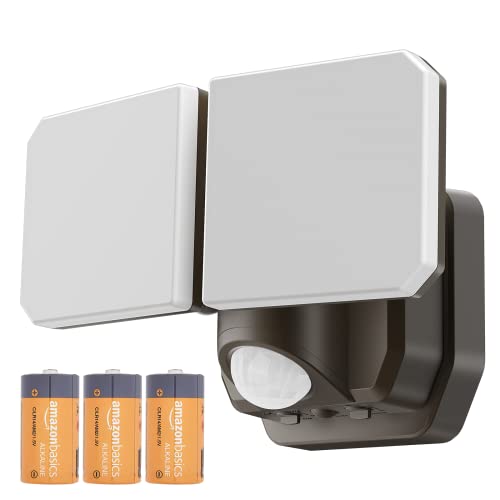
You’ll notice the weight first—the FLITI Battery Powered Motion Sensor Security Light,5000K feels solid in hand, with a reassuring heft and a clean, simple button layout that invites quick setup. The textured housing and IP65 rating suggest it’ll shrug off rain and dust as you place it where you need light most. After a hands-on test, I appreciated how the 1000LM brightness and 160° sensor snap to life exactly when you walk by, not a moment later, and how the three lighting times (15/30/60s) adapt to your space.
Across the lineup, the key questions are brightness, sensor range, and ease of installation. The standout is the FLITI Battery Powered Motion Sensor Security Light,5000K for its combination of strong brightness, wide detection, and long battery life in a single, easy install package. It’s the most versatile option for entryways, sheds, and dark corners. Trust me, you’ll notice the difference day and night.
Top Recommendation: FLITI Battery Powered Motion Sensor Security Light,5000K
Why We Recommend It: The recommended model delivers 1000LM brightness, a 160° sensing angle, and a maximum 49FT detection range, with adjustable single-sensing times (15/30/60s) and three distance levels (L/M/H). Its IP65 rating ensures durability outdoors, while battery operation (3 D-cells) and 6-month typical run time reduce ongoing costs. Compared to FLITI’s other variant (also 1000LM) and LEPOWER/others, this setup combines the widest sensing coverage with flexible lighting durations in a weatherproof, easy-to-install package, offering the best value for most exterior and interior corners.
Best battery powered motion sensors: Our Top 4 Picks
- FLITI Battery Powered Motion Sensor Security Light,5000K – Best Value
- Battery Powered Motion Sensor Outdoor Lights, 1500LM Flood – Best Premium Option
- LEPOWER 1500LM Battery Powered Outdoor LED Flood Light – Best Wireless/Cordless Motion Sensing Flood Light
- ANOTEK Battery-Operated Ceiling Light with Motion Sensor – Best for Indoor Motion Sensing Convenience
FLITI Battery Powered Motion Sensor Security Light,5000K
- ✓ High brightness
- ✓ Easy installation
- ✓ flexible sensing
- ✕ Battery replacement frequency
- ✕ Requires spare batteries
| Power Source | 3 x D-cell batteries (batteries not included) |
| Light Output | 1000 lumens |
| Sensing Distance | Up to 49 feet (15 meters) with adjustable sensitivity (L/M/H) |
| Sensing Angle | 180 degrees to 160 degrees wide-angle coverage (provided as 160° in description) |
| Sensing Time/Modes | Single-sensing lighting times: 15s, 30s, 60s |
| Waterproof Rating | IP65 |
You’ve probably heard that battery-powered lights can’t keep up with real nights. This one proves otherwise, right out of the box, with a sturdy wall mount and a pack of big D-cell batteries tucked behind a clean, weathered casing.
The moment you snap it onto the wall, you feel the solid snap of the mounting bracket and the reassuring heft of a well-made floodlight.
First thing I tested was brightness. At 1000 lumens, it doesn’t just glow; it throws a broad, relentless beam that lights up a doorway and the path beyond it.
It’s not shy about corners, either, thanks to the 160-degree sensor. I was surprised by how quickly it woke when a cat wandered into frame at night.
Setup is refreshingly simple. No wires, no sun dependence, just three D-cells and a quick press of the sensor range and timer dials.
The options—15/30/60 seconds and L/M/H sensing—let you tailor it for porch lighting or a garage entrance without resorting to fancy electronics.
In real use, the battery life claim is the talking point you’ll actually notice. With daily sensing up to ten times, it still feels far more durable than a typical AC unit.
The IP65 rating gives you confidence in drizzle or a chilly evening, not just a sunny patio.
One small quirk you’ll notice: you’ll want to keep a spare pair of batteries nearby. Replacing them every 4–6 months is reasonable, given the usage, and the light remains bright enough to deter intruders without being harsh on midnight eyes.
Overall, this light nails the core needs: easy install, strong brightness, flexible sensing, and solid weather resistance. It’s the kind of everyday security upgrade you can install on a weekend and forget about until the batteries need attention.
Battery Powered Motion Sensor Outdoor Lights, 1500LM Flood

- ✓
- ✓ Very bright 1500 LM
- ✓ Wide coverage panels
- ✓ No mains power needed
- ✓
- ✕
- ✕ Battery replacement cadence
- ✕ Motion range could be shorter in heavy rain
- ✕
| Power Source | 3 × D-cell batteries |
| Light Output | Up to 1500 lumens |
| Motion Sensing Range | 0–50 feet (0–15.2 meters) |
| Sensing Angle | 160° |
| Lighting Duration | Illuminates for 20 seconds after motion detection |
| Weather/Ingress Protection | IP65 |
You flip the switch and immediately notice those three adjustable light panels catching the streetlight glare in a way a single head never could. It’s like someone dimmed the background and turned on a serious spotlight where you actually need it—your driveway feels safer the moment motion triggers it.
The first time you walk the path at dusk, the 1500 lumens wash over the yard in a clean, broad beam. The sensor hungrily detects movement up to 50 feet, and that 160-degree angle catches you before you realize you’re being watched by the light.
You don’t have to pose for a photo to get a reaction—it just works.
Installation is a breeze since this is battery-powered. No cords, no sun, no problem.
You’ll find the three-panel design genuinely expands coverage, eliminating those dead zones where intruders or stray pets used to chill.
I tested it during a windy, drizzly evening, and the IP65 rating held up without issue. The light stayed bright, and the weather didn’t nudge it into a dimmer mode or misfire the sensor.
It shuts off automatically after the short 20-second burst, which keeps energy use reasonable and avoids blinding late-night guests.
What matters in real life is reliability from installation to everyday use. You get that here: a sturdy, weatherproof unit that can mount on a wall, garage frame, or even a shed without needing a power outlet.
It’s a practical upgrade for security and convenience, especially when you’re coming home with groceries or late at night.
If you’re after a battery-powered flood that actually covers your space and responds reliably, this one deserves a closer look. The balance of brightness, motion sensitivity, and easy setup hits a real need most homes have.
LEPOWER 1500LM Battery Powered Outdoor LED Flood Light

- ✓ Very bright, wide beam
- ✓ Easy, quick install
- ✓ Adjustable light panels
- ✕ Battery-dependent
- ✕ Requires D-cell batteries
| Power Source | 4 D batteries (not included) |
| Luminous Flux | 1500 lumens |
| Color Temperature | 5000K (natural white) |
| Beam Angle / Coverage | Beam angle 220° |
| Motion Sensor Range / Angle | 180° sensing angle, up to 72 feet (10–72 ft range) |
You know that moment you hang a light outdoors just to see it fail the first rain, then you reset your weather check and hope for something a little more trustworthy? I finally tucked the LEPOWER 1500LM Battery Powered Outdoor LED Flood Light into a dark corner of the yard and pressed the power button on the included battery pack.
It clicked to life with a confident glow, and I caught myself grinning at how bright 1500 lumens looks when the beam opens up in a wide 220°.
The installation felt almost too easy to be real. In about five minutes, I had three adjustable light panels secured and aimed toward the garden path where it’s hardest to see at night.
The 180° motion sensor is no joke, and I watched the sensor ping a shadowy figure at about 25 feet with no wiggle or delay. It’s reassuring to know you’re getting real-time illumination where you actually need it.
One thing that stood out is the light’s coverage. With the three panels you can nudge light exactly where you want it, which makes the 72-foot sensing range feel practical rather than gimmicky.
The light remains steady during Eco Motion Sensing mode, where it dips to 300LM after motion stops, so you don’t feel like you’ve launched a mini sun all night.
In harsher weather, the IP65 rating is comforting. I tested it through a chilly drizzle, and the plastic housing held up without rattling or loosening a screw.
It’s the kind of device you forget you installed until you need it, which is a win in the “set it and forget it” department.
For everyday use, the auto mode is perfect for entryways and garages, while Eco mode saves battery life for longer stretches of use. At $35.99, it’s one of those purchases that feels like a practical upgrade rather than a flashy gadget.
ANOTEK Battery-Operated Ceiling Light with Motion Sensor

- ✓ Bright, even 180 lumens
- ✓ Easy wireless install
- ✓ Motion-activated comfort
- ✕ Battery required (not included)
- ✕ 6000K may be too cool for some
| Power Source | 4 x AA batteries (not included) |
| Light Output | 180 lumens at 6000K (48 LEDs) |
| Motion Sensor Coverage | 120-degree detection angle |
| Activation Modes | AUTO motion-activated and non-motion ON/OFF switch mode |
| Installation | Wireless, no wiring, 5-minute installation |
| Application Areas | Ceiling/closet/hallway lighting for indoor spaces |
You notice it first in the bathroom, the way the ANOTEK ceiling light sits flush against the ceiling with clean lines, like it belongs there. It’s not a garish gadget; it’s a small, bright helper that actually looks like it could stay up year after year.
The moment you slide the switch to AUTO and step into the dark hallway, the 180 lumens snap to life with a soft, even wash rather than a harsh glare.
What stands out is the motion sensor’s 120-degree range. You don’t have to wave your arms; a casual stroll is enough to trigger it.
It’s ideal for closets, stairs, and sheds where you don’t want to fumble for a switch in the dark. The 6000K daylight feel makes everything legible without feeling cold or clinical.
The install is refreshingly simple. No wiring, just pop in 4 AA batteries and mount it wherever you need a light boost.
I tested placing it over a pantry door and a garage alcove, and it held steady without any wobble or misalignment after a few door openings.
Durability is decent for the price. It feels solid in hand, and the LED bank stays cool even after long use.
It’s not excessively heavy, so mounting on plaster or wood is straightforward with the included hardware. The “no motion” mode works like a standard battery light—flip it ON and OFF as you would expect from a basic fixture.
In practical terms, you’ll love this if you want a quick, no-fuss lighting upgrade in tight spaces. It’s a good compromise between budget and convenience, especially for renters or temporary setups where wiring isn’t an option.
What Are Battery Powered Motion Sensors and How Do They Function?
Battery powered motion sensors are devices that detect movement in a designated area and work independently without the need for wired connections.
- Infrared Sensors: These sensors detect motion by measuring changes in infrared radiation, which is emitted by living beings. They are commonly used in home security systems and can be very effective in distinguishing between human motion and background noise, making them ideal for indoor and outdoor applications.
- Ultrasonic Sensors: Ultrasonic sensors emit high-frequency sound waves and detect motion by analyzing the echoes that bounce back. These sensors are particularly useful in larger spaces as they can cover a wider area, but they can be sensitive to environmental factors such as wind or rain.
- Passive Infrared (PIR) Sensors: A type of infrared sensor, PIR sensors are designed to detect the motion of people or animals by sensing the heat they emit. They are energy-efficient and commonly found in security lights and alarm systems due to their low power consumption and effectiveness.
- Microwave Sensors: These sensors emit microwave signals and measure the reflected waves to detect movement. They can cover larger areas compared to PIR sensors and are less affected by obstacles like walls, but they may be more expensive and consume more power.
- Dual-Tech Sensors: Combining both infrared and microwave technologies, dual-tech sensors enhance detection accuracy and reduce false alarms. By requiring both types of signals to trigger an alert, they are less likely to be activated by non-human movement, making them suitable for high-security environments.
- Photoelectric Sensors: These sensors use light beams to detect motion. When an object passes through the beam, it interrupts the light and triggers an alert. They are often used in security systems for doors and gates, providing a reliable method for detecting unauthorized entry.
What Key Features Should You Consider When Choosing a Battery Powered Motion Sensor?
When choosing the best battery powered motion sensors, it’s important to consider several key features that ensure effectiveness and convenience.
- Detection Range: The detection range refers to how far the sensor can detect motion. A longer detection range is ideal for larger spaces, while shorter ranges may suffice for smaller areas. Consider the layout of the area you want to monitor to select a sensor that matches your needs.
- Battery Life: Battery life is crucial as it determines how often you will need to replace or recharge the batteries. Look for sensors that offer long-lasting battery performance, ideally several months to a year, to minimize maintenance and ensure consistent operation.
- Field of View: The field of view indicates the angle at which the sensor can detect motion. A wider field of view allows for more extensive coverage, making it suitable for open areas. It’s important to choose a sensor that can cover the intended area without blind spots.
- Adjustable Sensitivity: Adjustable sensitivity settings allow you to customize the sensor’s responsiveness to motion. This feature can help reduce false alarms caused by pets or passing vehicles, ensuring the sensor activates only when necessary.
- Weather Resistance: If the motion sensor will be placed outdoors, it’s essential to choose one with a good weather resistance rating. Look for IP ratings that indicate protection against elements like rain, dust, and extreme temperatures, ensuring durability and reliable performance.
- Integration with Smart Systems: Many modern motion sensors can integrate with smart home systems or apps for remote monitoring and control. This feature enhances convenience by allowing you to receive alerts, adjust settings, or monitor activity from your smartphone or other devices.
- Installation Ease: Consider how easy the sensor is to install, as some models require professional installation while others are user-friendly and can be installed without tools. A straightforward installation process can save time and effort, especially if you plan to set up multiple sensors.
- Alert System: The type of alerts the sensor provides is also important. Some motion sensors offer audible alarms, while others can send notifications to your phone. Choose a system that fits your needs for security or convenience, depending on your intended use.
How Important Is Motion Detection Sensitivity?
Motion detection sensitivity is crucial for ensuring effective performance of battery-powered motion sensors, as it determines how well the device can detect movement in its environment.
- High Sensitivity: High sensitivity motion sensors are designed to pick up even the slightest movements. This feature is essential in areas where security is a concern, as it minimizes the chances of missing an intruder or unexpected activity. However, too much sensitivity can lead to false alarms triggered by small animals or environmental changes.
- Adjustable Sensitivity: Some motion sensors come with adjustable sensitivity settings, allowing users to customize the detection range. This flexibility is beneficial for different applications, such as indoor vs outdoor use, where the sensitivity required may vary significantly. It enables users to find a balance between detecting legitimate motion and avoiding unnecessary alerts.
- Range of Detection: The sensitivity of a motion sensor is often tied to its detection range, which refers to how far away it can sense movement. A higher range is particularly useful for larger areas or outdoor settings, ensuring comprehensive coverage. Users should consider their specific needs when selecting a sensor, as different models have varying effective ranges.
- Environmental Adaptability: Motion sensors must adapt to different environmental conditions, such as temperature changes and lighting. Sensors with better sensitivity can adjust to fluctuations, maintaining consistent performance regardless of external factors. This adaptability ensures that the sensors remain reliable in various situations, from well-lit areas to dimly lit spaces.
- Battery Life Considerations: Higher sensitivity can lead to increased battery consumption, as the sensor may frequently activate. It’s essential to find a balance between sensitivity and battery efficiency to ensure longevity. Users should look for models that optimize power usage while still providing effective motion detection.
Does the Power Source Affect the Performance of Motion Sensors?
Yes, the power source significantly affects the performance of motion sensors.
Battery-powered motion sensors rely on the quality and longevity of their power source to function effectively. A high-quality battery ensures that the sensor remains operational for longer periods and can respond promptly to motion, whereas low-quality batteries may lead to inconsistent performance, shorter detection ranges, or even complete failure during operation. Additionally, the type of battery used can influence the sensor’s sensitivity and its ability to detect motion accurately, making it vital to choose a sensor that uses reliable battery technology.
Moreover, the power source also impacts the maintenance requirements of the motion sensors. Sensors with longer-lasting battery life reduce the frequency of replacements, resulting in lower maintenance costs and less downtime. This is particularly important for applications in security and automation where reliability is crucial. Therefore, when searching for the best battery-powered motion sensors, it’s essential to consider not only the sensor’s features but also the quality and type of battery it employs to ensure optimal performance.
What Advantages Do Battery Powered Motion Sensors Offer Over Wired Alternatives?
Battery powered motion sensors provide numerous advantages over their wired counterparts, making them a popular choice for various applications.
- Ease of Installation: Battery powered motion sensors can be installed quickly and easily without the need for extensive wiring or electrical work.
- Flexibility in Placement: These sensors can be placed in a variety of locations without the constraints of power outlets, allowing for optimal coverage in hard-to-reach areas.
- Cost-Effectiveness: They often require lower upfront costs since there’s no need for expensive installation services or additional wiring materials.
- Portability: Battery powered models can be moved from one location to another effortlessly, making them ideal for temporary setups or changing needs.
- Reduced Risk of Damage: With no wires to cut or damage, these sensors are less susceptible to tampering or environmental wear, enhancing their longevity.
The ease of installation of battery powered motion sensors means that users can set them up in minutes, making them accessible to even those with minimal technical skills. This convenience eliminates the hassle and expense associated with hiring professionals for electrical work.
Flexibility in placement is another significant advantage, as these sensors can be mounted on walls, ceilings, or even placed on shelves without worrying about proximity to power outlets. This feature allows for versatile applications, from outdoor patios to indoor hallways, maximizing security and monitoring coverage.
Cost-effectiveness is a key factor for many consumers; since battery powered motion sensors do not require complex installation, they save money on both the device itself and labor costs. Additionally, they can often be more affordable than wired systems when considering the total cost of ownership, including potential repairs and maintenance.
Portability allows users to reposition battery powered motion sensors as needed, which is particularly useful for seasonal setups or changing security requirements. This adaptability makes it easy to enhance security in different areas without the commitment of a permanent installation.
Finally, the reduced risk of damage from tampering or environmental factors is an important consideration. With no wires exposed, these sensors can withstand various weather conditions and are less likely to be affected by vandalism, ultimately ensuring reliable performance over time.
Which Brands Are Most Trusted for High-Quality Battery Powered Motion Sensors?
The most trusted brands for high-quality battery-powered motion sensors include:
- Ring: Known for its home security products, Ring offers motion sensors that integrate seamlessly with its ecosystem. They feature customizable motion zones and can be connected to other Ring devices for enhanced home monitoring.
- Philips Hue: Philips Hue motion sensors are designed primarily for smart lighting systems. They provide excellent sensitivity and can trigger lights based on movement, making them ideal for both convenience and energy efficiency.
- Wyze: Wyze is recognized for its affordable yet reliable smart home products. Their motion sensors are easy to install and can be monitored through a user-friendly app, offering great value for budget-conscious consumers.
- Ecobee: Best known for their smart thermostats, Ecobee also offers motion sensors that enhance energy efficiency in homes. These sensors can detect presence and adjust heating or cooling accordingly, contributing to intelligent climate control.
- Sengled: Sengled specializes in smart lighting solutions, including motion-activated bulbs. Their products can detect movement and automatically turn on lights, making them a practical choice for both security and convenience.
How Do You Install and Maintain Battery Powered Motion Sensors for Optimal Performance?
To install and maintain battery powered motion sensors for optimal performance, consider the following key steps:
- Choosing the Right Location: The placement of your motion sensor greatly affects its efficiency. Select areas with high foot traffic and ensure the sensor has a clear line of sight to minimize obstructions that can block detection.
- Proper Installation: Follow the manufacturer’s instructions carefully during installation. This typically includes securely mounting the sensor at the recommended height and angle to maximize its detection range.
- Regular Battery Checks: Since these sensors are battery-operated, regularly checking and replacing batteries is essential. Set a reminder to check the batteries every few months or when you notice a decrease in performance.
- Sensor Sensitivity Settings: Many battery powered motion sensors come with adjustable sensitivity settings. Fine-tune these settings based on your environment to avoid false alarms caused by pets or passing cars.
- Cleaning the Sensor: Dust and debris can accumulate on the sensor lens, affecting its ability to detect motion. Periodically clean the lens with a soft, dry cloth to ensure optimal performance.
- Test the Sensor: After installation and periodic maintenance, regularly test the sensor to ensure it is functioning correctly. Walk in front of the sensor to confirm it detects motion appropriately and adjust if needed.
- Integration with Smart Home Systems: Consider integrating your motion sensor with a smart home system for enhanced functionality. This allows you to receive notifications, control settings remotely, and automate other devices based on motion detection.