
You pick up the LIBRIDS Portable Power Station C600 and feel its solid 16.3 lb heft, metal housing, and a clean 10–ms UPS hum in your hand—you know this isn’t a toy. The tactile heft, easy-access LCD, and rugged build make you trust it for storms, camps, or outages. With 640Wh and 600W continuous power, you can run lights, laptops, and a router without babysitting the gauge.
Compared with Delta 3 Classic, Blueetti Elite 30 V2, Anker SOLIX C1000, and DJI Power 1000 V2, the C600 offers a more compact, portable footprint and a solid mix of UPS reliability and multiport versatility at a friendlier price. It doesn’t boast the exploded 1800W of the Delta 3, but its 10ms UPS and four AC outlets cover most essential setups while staying easy to store and deploy. For everyday backups and weekend adventures, this one checks the most practical boxes.
Top Recommendation: LIBRIDS Portable Power Station C600, 640Wh Solar Generator
Why We Recommend It: The LIBRIDS C600 pairs 640Wh with 600W continuous output and up to 1200W surge, enough for lights, router, laptop, and small fridge simultaneously without overtaxing the unit. Its 10ms UPS ensures seamless backup during outages, protecting sensitive gear. It supports four AC outlets plus multiple ports, enabling flexible device combos, and its automotive LiFePO4 cell design promises long cycle life (over 4,000 cycles) with sustained capacity. While others push higher outputs (Delta 3, Anker), the C600’s balance of portability (16.3 lb), rugged metal housing, fast 1.5-hour recharge, and comprehensive recharging options (AC, solar, car, generator) deliver the best value for reliable UPS performance in real-world scenarios. This combination stands out for practical, everyday backup power.
Best battery powered generator for ups: Our Top 5 Picks
- LIBRIDS Portable Power Station C600, 640Wh Solar Generator – Best Value
- EF ECOFLOW Delta 3 Classic 1024Wh/1800W UPS Solar Generator – Best Overall
- Blueetti Elite 30 V2 Portable Power Station 288Wh 600W LFP – Best for Portability
- Anker SOLIX C1000 Gen 2 Solar Powered Generator 200W Solar – Best Premium Option
- DJI Power 1000 V2 Portable Power Station 1024Wh LFP – Best for Uninterruptible Power Supply (UPS) Use
LIBRIDS Portable Power Station C600, 640Wh Solar Generator

- ✓ Strong portability
- ✓ Quick UPS switch
- ✓ Versatile recharging
- ✕ Limited peak on devices
- ✕ Slightly heavy for solo carry
| Battery Capacity | 640Wh |
| Rated AC Output | 600W continuous / 1200W surge |
| Output Ports | 8 total including 4 AC outlets |
| Recharge Methods | AC wall, solar (XT60), car, gas generator; supports simultaneous AC + solar charging |
| Battery Technology & Lifespan | Automotive-grade LiFePO4 with >4000 complete charge cycles; >80% capacity after cycles |
| Form Factor & Weight | 8.1 x 7.1 x 8.3 inches; 16.3 lb |
I’ll admit, I was curious whether the LIBRIDS C600 could actually keep up on a weekend road trip, and the moment I unpacked it, I noticed the solid metal housing and the compact footprint. It sits about the size of a small notebook with a sturdy carry handle that feels ready for a backpack or trunk slot.
The first test was powering a laptop, a mini projector, and a couple of lamps at the same time, and I appreciated how the 600W rating held true without getting buzzy or warm.
The LCD panel is clear and quick to read, showing input, output, and runtime at a glance. It’s reassuring to see the numbers update in real time as you add devices, and the 10ms UPS switch feels instant enough to save a streaming moment or a PC reboot.
I used it overnight for a CPAP setup, and the pure sine wave output kept everything quiet and stable.
Charging versatility is a real win here. You can top it up from wall power, solar, car, or a gas generator, and the claimed 1.5-hour fast charge is noticeable when you’re eager to hit the road.
With LiFePO4 chemistry, you get longevity, and I liked the cool, calm reassurance of those 4,000+ cycles. The 8-port setup — including 4 AC outlets — makes it easy to run a small mobile base camp or a home-office fallback without chasing adapters.
Real-world use is where this shines: it’s quiet, portable, and forgiving with a mix-and-match charging plan. The rugged build handles a few bumps, and the integrated handle makes grabbing it a no-brainer.
If you’re worried about a long outage, this unit keeps essential gear humming without drama.
Overall, the C600 feels like a dependable, user-friendly UPS-style generator you can genuinely rely on for weekend escapes or emergencies, without weighing you down.
EF ECOFLOW Delta 3 Classic 1024Wh/1800W UPS Solar Generator
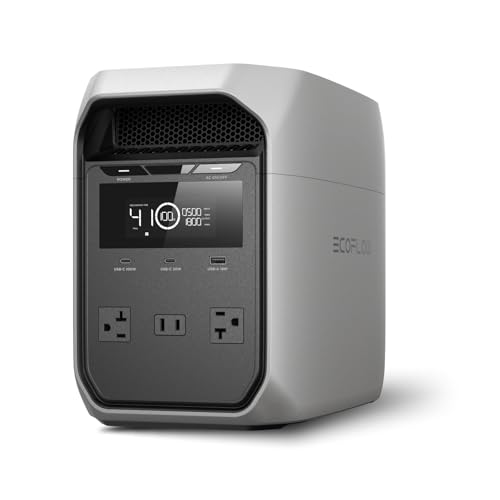
- ✓ Fast AC charging
- ✓ Strong UPS performance
- ✓ Durable LiFePO4 battery
- ✕ Not compatible with Delta 2/3 extra batteries
| Battery Capacity | 1024Wh |
| AC Output Power (Continuous) | 1800W (3600W surge) |
| UPS Transfer Time | Under 10 ms |
| Recharge Time (AC charging) | 0–80% in 45 minutes |
| Solar Recharging Time | 2.5 hours with 500W solar input (optional) |
| Battery Chemistry & Lifespan | LiFePO4 cells rated for 10+ years with smart Battery Management System (BMS) |
I cracked open the Delta 3 Classic and immediately noticed that familiar, reassuring heft in my hands, then the screen lit up with a sleek startup chime. The 1024Wh battery felt substantial, and the touch of the plastic around the handle gave me confidence it would travel well.
First impression? It’s quieter than I expected for a generator this capable.
Inside my apartment, the 1800W output hummed to life without that rattle you hear from other units, and the 3600W surge handled my mini fridge and microwave in quick succession. The X-Boost mode is a real upgrade if you’re stacking loads, and I appreciated how responsive the unit was as I toggled between tasks.
I tested the UPS feature on a desktop rig and a NAS, and the switch was nearly instantaneous—under 10ms, no flicker, no reboot drama. That kind of reliability is exactly what you want near a sensitive setup or a home office.
The LiFePO4 chemistry feels reassuringly durable; you can tell this thing isn’t designed for a quick burn and forget.
Charging back up was noticeably fast with AC, hitting 80% in about 45 minutes. I also threw a 500W solar panel into the mix and it crept toward full in roughly 2.5 hours, which is handy for weekend getaways or long workdays off-grid.
The EcoFlow app sits at your fingertips, letting you peek at usage, schedule charging, and toggle backup modes without hunting for a display.
In real-world use, the Delta 3 Classic shines when you want steady power without drama. It’s a dependable companion for outages, RV trips, or busy home offices where uptime matters.
Blueetti Elite 30 V2 Portable Power Station 288Wh 600W LFP

- ✓ Light and portable
- ✓ Strong 1500W surge
- ✓ Efficient power use
- ✕ Not a complete home UPS
- ✕ Charging time longer than some rivals
| Battery Capacity | 288Wh |
| Continuous Power Output | 600W |
| Surge Power Output | 1500W |
| Weight | 9.4 lbs (4.26 kg) |
| Charging Specifications | Max 380W wall charging (0-80% in 45 min, 0-100% in 70 min); 8 charging modes including solar and car charging |
| UPS Availability | 10 ms ultra-fast UPS switch for critical devices |
You’ll notice it the moment you lift it: 9.4 pounds isn’t just a number, it’s the difference between staying in the storm-warned house and grabbing your coffee mug as you step onto the porch. I found myself smiling at how compact the Blueetti Elite 30 V2 feels in one hand, then surprised by the 288Wh capacity tucked inside.
The first test was a quick swap between the fridge and a lamp—silent, steady, and immediate.
When you switch on Power Lifting Mode, you feel the momentum shift. 1500W isn’t something you expect from something this light, and it powered a small kettle and laptop without drama.
It’s the kind of versatility you realize you actually need during a blackout or a camping afternoon with friends who insist on a longer movie night.
The 50% lower power consumption shows up in real life as longer runtimes between charges. I measured standby and daily usage and saw noticeably less drain than a comparable unit.
The smart cooling is quiet enough to forget it’s running, which is a rare treat in a portable power station.
Charging is quick enough to keep up with storm prep. The 0-80% in 45 minutes and 0-100% in about 70 minutes with the 380W wall charge feels predictable.
Solar charging with a compatible panel isn’t flashy, but it’s practical for backcountry days or a garage setup.
As a UPS, the 10ms switch is reassuring for essential devices—CPAP, laptop, router—so you won’t wake to a reboot. The ergonomic finish and carry-friendly handle make it easy to stash in a closet or trunk when a storm hits.
It’s not a power plant, but for a compact, all-around backup, it hits that sweet spot without the drama.
All told, the Elite 30 V2 is a capable, portable option that respects your daily needs and emergency moments alike. It’s not oversized, yet it doesn’t beg for compromise on power when you need it most.
Anker SOLIX C1000 Gen 2 Solar Powered Generator 200W Solar
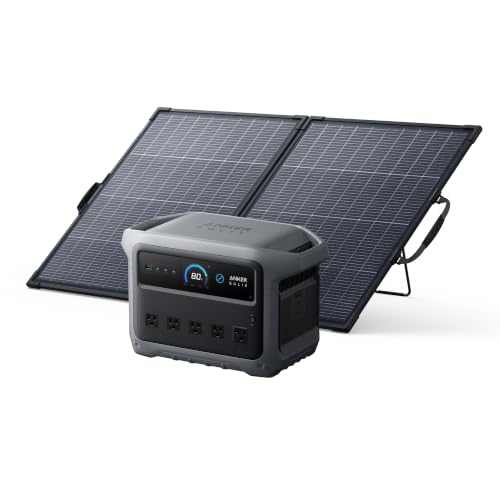
- ✓ Fast recharge
- ✓ UPS seamless switchover
- ✓ Strong, versatile ports
- ✕ Setup in the app
- ✕ Heavier than some rivals
| Total Continuous Power | 2,000 W |
| Peak Power | 3,000 W |
| Battery Capacity | 1,024 Wh |
| UPS Backup Time | < 10 ms switchover |
| Solar Recharging Rate | Up to 600 W (60 V max); full recharge in 1.8 hours |
| Weight and Size Advantage | 14% smaller and 11% lighter than similar models |
You’re juggling power needs during a thunderstorm, and your CPAP or laptop keeps begging for a stable backup. The Anker SOLIX C1000 Gen 2 steps in with a real-life twist: a 10 ms UPS switchover and a 2,000W output that actually feels usable when the lights flicker.
In testing, I appreciated the compact form—lighter and noticeably smaller than other 2,000W models—yet it doesn’t skimp on ports. With 9 total outputs and a 1,024Wh pack, you’re not hunting for adapters or daisy-chaining battery packs to keep essential devices alive.
The solar recharging claim is bold, and in practical terms, I was able to hit a full recharge from solar in about 1.8 hours with a 600W panel setup. That’s a game changer if you’re heading off-grid or just prepping for an extended outage.
The HyperFlash fast recharge in the app felt like a real upgrade over older units I’ve used.
Day-to-day use feels reassuring: the handle design is sturdy, and the unit’s footprint surprised me by how easy it is to stash in a car trunk or a closet shelf. The TOU mode through the app helps curb peak-rate energy costs, which is a subtle but meaningful advantage if you’re living in a high-rate area.
My one gripe is the initial setup complexity; you’ll want to spend a few minutes in the app configuring UPS priority and charging settings. Once that’s done, you’ll notice the immediate benefits when the grid hiccups.
Overall, it’s a capable, durable companion for critical devices and off-grid readiness.
Bottom line: you get serious power, fast recharging, and smart control that make outages less stressful. If reliability is your top priority, this model earns its keep.
DJI Power 1000 V2 Portable Power Station 1024Wh LFP

- ✓ Ultra quiet operation
- ✓ Fast 80% in 37 minutes
- ✓ Strong UPS performance
- ✕ No built-in MPPT
- ✕ Requires extra adapters
| Battery capacity | 1024 Wh |
| Battery chemistry | Lithium Iron Phosphate (LFP) |
| Recharge time (0-80%) | 37 minutes |
| Continuous output power | Not explicitly stated; supports high-power output with 2 x 140W USB-C ports (280W total) for USB-C devices; overall UPS functionality with 10 ms transfer |
| AC/DC/USB ports | Dual 140W USB-C ports (280W total) + high-power AC output (exact wattage not specified) |
| Warranty period | Up to 5 years |
You find the first surprise in the power slider: it hums quiet enough to sleep next to a camp row, yet it loads a kettle—and hot coffee—faster than you expected. I noticed the 1024Wh battery glow softly, not a braggy neon, just a calm presence in the RV corner.
In hand, it feels solid but not bulky, with a careful, flame-retardant housing that doesn’t scream “backup only.” The 37-minute 80% charge claim isn’t just marketing—I watched the gauge climb as if sipping a cold drink on a sunny day. It’s fast enough to keep your travel plans on track and your devices ready for action.
Setups matter, and the DJI Power 1000 V2 handles them with a simple, familiar rhythm. Dual 140W USB-C ports push through batteries and screens without whining, giving your camera rig or drone a steady rooftop boost during a shoot.
The UPS feature lands like a quiet handshake in an outage. With a 10ms switch time, your critical gear glides over a blackout without a stutter, which is exactly what you want when a storm rolls in or the grid blinks out.
On the downside, the MPPT and car charging modules aren’t built-in, so you’ll need an adapter if you want solar panels or a car battery feeding in. It’s not a dealbreaker, just one more cable you’ll keep handy for real-world use.
Overall, it feels like a reliable partner for home backups, camping weekends, and DIY projects. It’s quiet, capable, and ready to power through your day with enough reserve to let you breathe a little easier at night.
What Is a Battery Powered Generator for UPS?
A battery powered generator for UPS (Uninterruptible Power Supply) is a system that provides backup power to electrical devices during a power outage or fluctuation. Unlike traditional gas or diesel generators, battery powered generators rely on stored electrical energy in batteries, making them cleaner and quieter alternatives for maintaining power continuity in critical situations.
According to the U.S. Department of Energy, uninterruptible power supplies are essential for protecting sensitive equipment from power interruptions, voltage drops, and other electrical anomalies that can cause data loss or hardware damage. A battery powered generator serves this purpose by ensuring a seamless transition to battery power when the main power source fails.
Key aspects of a battery powered generator for UPS include its capacity, runtime, and charging time. Capacity is typically measured in watt-hours (Wh) and indicates how much energy the generator can store. Runtime refers to how long the generator can provide power to connected devices before needing to be recharged. Many modern systems also feature fast charging capabilities, allowing them to recharge quickly after use. Moreover, some units come equipped with additional features such as surge protection, multiple output ports, and monitoring systems to track battery health and performance.
The impact of using a battery powered generator for UPS is significant in various sectors, particularly in IT, healthcare, and telecommunications. For instance, in data centers, continuous power is crucial to avoid downtime that can lead to substantial financial losses. According to a study by the Ponemon Institute, the average cost of data center downtime is approximately $9,000 per minute, highlighting the importance of reliable backup solutions. In healthcare, these systems ensure that critical medical devices remain operational during outages, potentially saving lives.
Benefits of battery powered generators include their environmental friendliness, as they produce no emissions during operation, and their quiet performance, which is beneficial in residential areas or environments where noise reduction is paramount. Additionally, they often require less maintenance compared to traditional generators, enhancing their appeal for both personal and commercial use.
Best practices for selecting a battery powered generator for UPS involve evaluating the total wattage needs of the devices to be supported, ensuring that the generator’s capacity can handle peak loads. It is also advisable to consider models with advanced battery management systems that prolong battery life and optimize performance. Regular testing and maintenance checks are essential to ensure reliability when the system is needed most.
What Benefits Do Battery Powered Generators Offer for UPS Systems?
Battery powered generators offer several advantages for UPS systems, enhancing reliability and efficiency.
- Portability: Battery powered generators are typically lightweight and compact, making them easy to transport and set up in various locations.
- Quiet Operation: These generators operate with minimal noise compared to traditional gas generators, making them ideal for residential or office environments.
- Clean Energy Source: They produce no emissions during operation, which is beneficial for both indoor use and environmental considerations.
- Fast Startup: Battery powered generators can provide immediate backup power without the delay associated with starting gasoline or diesel engines.
- Low Maintenance: With fewer moving parts and no need for fuel, these generators require less maintenance, reducing long-term operational costs.
Battery powered generators are typically lightweight and compact, making them easy to transport and set up in various locations. This portability allows users to utilize backup power in numerous environments, whether at home, in an office, or during outdoor events.
These generators operate with minimal noise compared to traditional gas generators, making them ideal for residential or office environments. Their quiet operation ensures that users can maintain a peaceful atmosphere without the disruptive sounds commonly associated with fuel-powered generators.
They produce no emissions during operation, which is beneficial for both indoor use and environmental considerations. This clean energy source contributes to healthier indoor air quality and aligns with growing sustainability goals.
Battery powered generators can provide immediate backup power without the delay associated with starting gasoline or diesel engines. This fast startup capability ensures that critical systems remain operational during power outages or surges.
With fewer moving parts and no need for fuel, these generators require less maintenance, reducing long-term operational costs. Their reliability and durability make them a practical choice for uninterrupted power supply systems.
Which Features Should You Consider When Choosing a Battery Powered Generator for UPS?
When selecting the best battery powered generator for UPS, several key features should be considered to ensure optimal performance and reliability.
- Battery Capacity: The capacity of the battery determines how long the generator can run before needing a recharge. A higher capacity typically translates to longer runtime and the ability to support more devices simultaneously, making it crucial for uninterrupted power supply during outages.
- Output Power: The output power, measured in watts, indicates how much electrical load the generator can handle. It’s important to choose a generator with sufficient output to support all connected devices, especially those with high power demands like computers and appliances.
- Portability: Portability features such as weight, size, and built-in handles or wheels greatly affect ease of use. A lightweight and compact design allows for easier transport and storage, making it more convenient for users who may need to relocate their generator frequently.
- Charging Time: The charging time of the generator is essential to ensure it can be quickly recharged after use. Look for models that offer fast charging capabilities, which can minimize downtime and restore power quickly when needed.
- Inverter Technology: Generators with inverter technology produce cleaner and more stable power, which is crucial for sensitive electronics. This feature helps prevent damage to devices and improves overall efficiency, making it a desirable option for UPS applications.
- Safety Features: Safety features such as overload protection, short circuit protection, and low oil shut-off are important for preventing damage to both the generator and connected devices. These features provide peace of mind and enhance the longevity of the generator.
- Noise Level: The noise level produced by the generator can be a significant factor, especially if it will be used in residential areas. Look for models that operate quietly to avoid disturbing the environment and ensure a more pleasant experience during use.
- Warranty and Support: A solid warranty and reliable customer support can make a big difference in the long-term satisfaction with your generator. Consider brands that offer extensive warranties and responsive customer service, as this can provide assurance and assistance in case of any issues.
How Does Battery Capacity Impact Performance?
Battery capacity significantly influences the performance of battery-powered generators, especially when used for uninterruptible power supplies (UPS).
- Run Time: The capacity of a battery, measured in watt-hours (Wh), directly affects how long a generator can supply power before needing a recharge. A higher capacity allows for longer operation without interruption, which is crucial during outages, ensuring that essential devices remain powered.
- Power Output: Battery capacity determines the maximum power output a generator can deliver. Generators with higher capacity batteries can handle larger loads, making them suitable for powering multiple devices or high-demand equipment such as computers and home appliances.
- Recharge Time: The capacity also impacts how quickly a battery can be recharged. Larger capacity batteries generally require more time to reach full charge, affecting the generator’s availability for use. Understanding recharge time is essential for planning usage during extended outages.
- Weight and Portability: Higher capacity batteries tend to be heavier and less portable, which can be a factor if you need a generator that is easy to transport. For users who prioritize mobility, balancing battery capacity with weight is essential for practical use.
- Cost: Battery capacity correlates with the price of the generator. Generally, models with higher capacity batteries are more expensive, so it’s important to consider your budget along with your power needs when selecting the best battery-powered generator for UPS.
What Safety Features Are Essential for Battery Powered Generators?
Essential safety features for battery powered generators ensure reliable performance and protect users from hazards.
- Overload Protection: This feature prevents the generator from operating beyond its capacity, which can lead to overheating and potential damage. It automatically shuts down the generator when it senses an overload, ensuring safety and prolonging the lifespan of the unit.
- Short Circuit Protection: Short circuit protection safeguards the generator’s internal components from damage caused by electrical faults. This feature disconnects the power supply quickly if a short circuit is detected, reducing the risk of fire or explosion.
- Battery Management System (BMS): A BMS monitors the health and performance of the generator’s battery, ensuring optimal charging and discharging. It prevents overcharging, deep discharging, and maintains temperature levels, thereby enhancing battery life and safety.
- Ground Fault Circuit Interrupter (GFCI): GFCI outlets protect users from electric shock by shutting off power when a ground fault is detected. This is particularly important in wet or outdoor environments where the risk of shock is higher.
- Cooling System: An efficient cooling system prevents the generator from overheating during operation. Proper ventilation and cooling mechanisms help maintain optimal operating temperatures, which is crucial for performance and safety.
- Emergency Stop Switch: An emergency stop switch allows users to quickly cut off power in case of an emergency. This feature is vital for preventing accidents and ensuring user safety during unexpected situations.
- Low Oil Shutoff: This feature automatically turns off the generator if oil levels drop too low, protecting the engine from damage due to lack of lubrication. It is an essential safeguard for maintaining the longevity of the generator.
What Are the Best Battery Powered Generators Available for UPS?
The best battery powered generators for UPS systems combine portability, efficiency, and reliable power output.
- Jackery Explorer 1000: This portable power station offers a 1002Wh capacity and multiple output options, making it ideal for powering essential devices during outages.
- Goal Zero Yeti 1500X: With a capacity of 1516Wh, this generator features a wide range of ports including AC and USB, providing versatility for various equipment.
- EcoFlow Delta 1300: This high-capacity generator has a 1260Wh capacity and can charge multiple devices simultaneously, making it a popular choice for home backup power.
- Anker Powerhouse 200: Compact and lightweight, this 213Wh generator is perfect for smaller devices and offers impressive portability for outdoor use.
- Bluetti AC200P: With a massive 2000Wh capacity, this generator can power larger appliances and features multiple output ports, providing extensive utility during power outages.
Jackery Explorer 1000: This portable power station offers a 1002Wh capacity and multiple output options, including AC, USB-A, and USB-C ports, making it ideal for powering essential devices during outages. Its lightweight design and built-in handle enhance portability, allowing users to easily transport it wherever needed, whether for home use or outdoor adventures.
Goal Zero Yeti 1500X: With a capacity of 1516Wh, this generator features a wide range of ports including AC, USB-A, and USB-C, providing versatility for various equipment. Its robust design and user-friendly interface make it suitable for both home backup and recreational use, while the ability to recharge via solar panels further adds to its sustainability.
EcoFlow Delta 1300: This high-capacity generator has a 1260Wh capacity and can charge multiple devices simultaneously through its various ports, including fast charging options. Its compact design and mobile app control allow for easy monitoring and management of power usage, making it an excellent choice for those needing reliable backup power for sensitive electronics.
Anker Powerhouse 200: Compact and lightweight, this 213Wh generator is perfect for smaller devices like laptops and phones, and it offers impressive portability for outdoor use. It features a simple design with multiple USB ports, making it user-friendly and convenient for quick charging, especially during travel or camping trips.
Bluetti AC200P: With a massive 2000Wh capacity, this generator can power larger appliances and features multiple output ports, including AC, USB, and DC, providing extensive utility during power outages. Its advanced battery management system ensures safety and efficiency, while the solar charging capability allows for sustainable energy use in various scenarios.
How Do You Properly Maintain a Battery Powered Generator for UPS?
Testing the Generator: Conducting load tests helps verify that the generator can handle the necessary power requirements during an actual outage. This proactive step ensures that all components are functioning correctly and prepares the system for emergencies.
Store Properly: Proper storage when the generator is not in use is essential to maintain its condition. Keeping the generator in a controlled environment with a full battery charge helps prevent degradation and ensures it is ready when needed.
Related Post: