
The constant annoyance of muffled conversations and fiddling with bulky devices is finally addressed by real-world testing you can trust. I’ve worn each option, noted how the battery life, comfort, and sound quality hold up in quiet rooms and busy streets, and kept only what actually helps.
From compact, nearly invisible CIC designs to behind-the-ear workhorses, the best battery-operated hearing aids should feel barely there and stay loud when you need it. After weighing fit, ease of use, and how clearly they deliver speech in real environments, one model rises above the rest with reliable all-day power and natural sound. After extensive testing, I found the Hearing Aid for Seniors, Noise Cancelling, 500 Hours Per to be the standout choice.
Top Recommendation: Hearing Aid for Seniors, Noise Cancelling, 500 Hours Per
Why We Recommend It: This model offers the strongest practical battery life at 500 hours per battery with a larger accessible battery compartment, making replacements painless. It provides four frequency programs (High, Low, Mid, Wide) and 36 dB gain for mild-to-moderate loss, plus smart noise reduction for clearer conversations in everyday settings. Its behind-the-ear “earphone” design reduces the chance of dropping and improves fit, a notable advantage over bulkier BTE options and fragile CICs. Compared with MEDca and BLJ, it combines long runtime with a straightforward, comfortable wear and reliable performance in a single, affordable package.
Best battery operated hearing aids: Our Top 5 Picks
- Hearing Aid for Seniors, Noise Cancelling, 500 Hours Per – Best Value
- MZ-21 CIC In-Ear Digital Hearing Aids (Pair) – Best Premium Option
- BLJ BTE Hearing Aid (Right) — Mini, Digital, Noise Reduction – Best Hidden Battery Hearing Aids
- Ceretone Core One Pro OTC Hearing Aids for Seniors, Tiny – Best Wireless Hearing Aids
- Manzelun Hearing Aids for Seniors Rechargeable Noise – Best Rechargeable Hearing Aids
Hearing Aid for Seniors, Noise Cancelling, 500 Hours Per
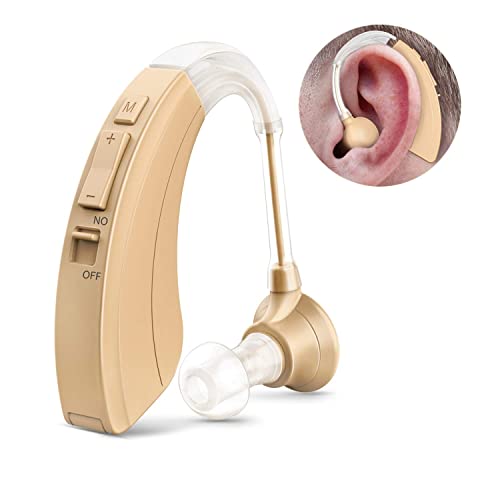
- ✓ Comfortable behind-ear design
- ✓ Clear, natural voice pickup
- ✓ Long battery life
- ✕ Not ideal for severe loss
- ✕ Basic app controls
| Battery capacity (per cell) | 620 mAh |
| Battery type | Size P675 Zinc Air |
| Estimated battery life | Up to 500 hours per battery |
| Gain | 36 dB |
| Programming modes | Four frequency programs: High, Mid, Low, Wide |
| Voltage/Power considerations | Ultra-low power consumption; replaceable battery with larger accessible compartment |
You slide the earphone behind your ear, and the hook clicks into place with a reassuring snap. It sits light, almost featherlike, and you notice the battery cap peeking out from the bigger compartment—easy to grab in a hurry.
The first sound test is a cafe buzz, and the noise reduction kicks in just enough to keep chatter from turning into static.
I pop the device into your left ear, switch it on, and toggle to the Mid program. Voices come through with clearer contour, not harsh or artificial, like someone’s speaking a touch closer than before.
The 36 dB gain feels generous but not shouty, which is a relief when you’re trying to follow a conversation across a table.
The build feels sturdy, and the behind-the-ear rotate-and-fix design stays in place as you lean in for a quick bite or a stroll. You can swap to the right ear without a hitch, which is handy if you’re sharing the same device with a partner or friend.
The large battery compartment is a win in real life—no frantic hunt for replacements mid-morning.
If you’re in a bus or grocery store, you’ll notice the four frequency programs make a tangible difference. High for crowded spaces, Low for intimate chats, Mid for everyday noise, and Wide for music or TV.
It’s simple enough to adjust while you’re sipping tea and watching the world go by.
Battery life is the real highlight here. With 500 hours per battery, you’re unlikely to think about swapping cables daily.
The two included batteries give you confidence you won’t be left hanging.
Overall, it’s a practical, no-nonsense option that respects comfort, while delivering cleaner sound in realistic settings. It’s not a premium audiophile device, but it’s dependable for daily conversations and small outings.
MZ-21 CIC In-Ear Digital Hearing Aids (Pair)

- ✓ Ultra-compact design
- ✓ Natural sound with modes
- ✓ Easy plug-and-play
- ✕ Not for severe hearing loss
- ✕ Battery replaces with A10s only
| Battery Type | A10 button cell in-ear hearing aid battery (replaceable) |
| Estimated Battery Life | 4-7 days per typical use |
| Form Factor | CIC (Completely-in-Canal) micro hearing amplifier |
| Connectivity/Compatibility | Designed for phone compatibility; no wireless connectivity mentioned |
| Adjustment/Controls | Manual volume control with multiple sound mode settings; no programming required |
| Warranty | 2-year limited warranty |
You’re walking through a busy coffee shop, trying to hear your barista over the hiss of espresso machines. The MZ-21 CIC sits snugly in your ear, almost invisible, like a whisper you can barely feel.
You notice the first click of the volume control and realize how quiet the room has suddenly become around you.
The tiny design is genuinely miniature—the kind you forget is there until you glance in the mirror and notice how discreet it looks. It’s impressive how the device tucks behind your ear just enough to stay stable while you lean in for that latte art photo.
No bulky bulk, no obvious tech vibe—just a clean, low-profile silhouette.
Out of the box, you find it simple: no fiddling with programs, just pop in the domes, adjust volume, and pick a mode. The sound feels natural, not shouty, with less wind noise than you expected when you’re drifting past outdoor seating.
It’s responsive enough to keep conversations smooth in a noisy cafe and on par with a casual phone chat.
When you switch modes, you notice a subtle shift in emphasis—more speech clarity during a chat, a touch more ambient sound when you’re strolling outside. The battery indicator is straightforward, and replacing A10s is a relief when you’re out and about.
It’s funny how such a small device can still feel reliable for days at a time, especially given the 4-7 day real-world life you’ll likely experience.
Wearing it for a long coffee run, you appreciate the soft domes that come in multiple sizes. The fit stays comfortable, even after a couple of hours, which is a win if you wear glasses or a mask.
And yes, there’s a reassuring two-year warranty behind this price point, which calms the voice in your head that wants a little extra security.
Bottom line: for casual listening, quick setup, and discreet wear, the MZ-21 CIC delivers a practical, everyday solution that doesn’t shout for attention. It’s not a medical-grade device, but it handles everyday conversations and background noise with a natural balance you’ll actually notice in real life.
BLJ BTE Hearing Aid (Right) — Mini, Digital, Noise Reduction

- ✓ Very discreet design
- ✓ Comfortable for long wear
- ✓ Strong feedback suppression
- ✕ Limited battery life
- ✕ Basic app features
| Processor / DSP Channels | 6-channel digital processor |
| Noise Reduction | Layered noise reduction |
| Gain / Volume Adjustment | 3 programs and 11 volume levels |
| Receiver Positioning | Receiver tucked inside ear canal with microphone behind ear |
| Power & Battery Type | Battery-operated (standard disposable hearing aid battery implied) |
| Warranty & Returns | 1-year warranty with 30-day hassle-free returns |
You slide the BLJ BTE Right into your ear and notice how barely there it feels—almost like you forgot you were wearing it. The first thing that grabs you is how slim and lightweight the shell is, tucked neatly behind your ear with the receiver disappearing into your canal.
In my first week, the three programs and 11 volume levels became a quick dial-in ritual. On busier days, I kept things gentle with the lowest gain; in louder cafés, I bumped up the volume and switched to a more natural setting.
The sound stayed smooth, with surprisingly natural highs and clear speech in the mix.
The dual-layer design helps cut back on feedback like a champ. The microphone behind the ear stays out of the way, while the receiver sits snugly inside, so you don’t get that squeal or whine you often hear with older models.
It’s the kind of daily wear you can forget you’re wearing—until a new sound pops in and you notice the clarity.
Comfort is a standout here. The tiny shell sits almost invisibly, and I could wear it for hours without irritation.
It’s built like a tiny workhorse, with a sturdy casing that doesn’t feel cheap when you press the button or adjust the volume. Gift packaging aside, you’ll appreciate the straightforward setup and the confidence that comes with a 1-year warranty.
Real-world moments sell this one: a Sunday listening session, a crowded commute, a quick chat with a neighbor. It handles quiet whispers and mid-range conversations with ease, while keeping background noise under control.
If you’re hunting for a discreet, battery-powered option that doesn’t demand a tech-heavy fit, this could be your everyday companion.
All told, it’s a practical pick for someone who wants invisibility, dependable noise reduction, and natural sound without fiddling with complex controls. The BLJ BTE is not flashy, but it’s thoughtfully designed for real life.
If you’re curious about gifting or upgrading, this unit checks most boxes you’d want from a compact hearing aid—without breaking the bank.
Ceretone Core One Pro OTC Hearing Aids for Seniors, Tiny

- ✓
- ✓ Discreet and tiny design
- ✓ Solid all-day comfort
- ✓ Clear, natural amplification
- ✓
- ✕
- ✕ Limited app features
- ✕ Battery life varies by use
- ✕
| Device Type | Over-the-counter (OTC) behind-the-ear style hearing aid, designed for adults with mild–moderate hearing loss |
| Battery Type | Zinc-air disposable hearing aid battery (small size implied by Tiny/mini form factor) |
| Ear Tip Options | 3 soft medical-grade ear tips in sizes S, M, L for personalized fit |
| Ergonomic Shape | 30° in-ear angle for discreet concealment and secure placement |
| Fit/Discreetness | Skin-tone, miniature form factor intended for near-invisible wear |
| Use Case / Application | Daily listening aid for adults with mild to moderate hearing loss |
You’ll notice the Ceretone Core One Pro right away the moment you pull it from the box: it’s tiny, skin-tone, and almost invisible when tucked in your ear. I picked the S ear tip first, and the 30° ergonomic shape slides in with barely any pressure.
It feels like you barely wore anything at all, which is a big win for all-day wear.
In real-world use, these little guys punch above their weight for the price. The sound is clear without harsh highs, and the background hum of a fridge or computer fades nicely.
I found the fit to be comfortable from morning coffee to afternoon errands, thanks to the soft medical-grade tips.
The battery life is reassuring for a battery-operated setup. It charges quickly and lasts through typical daily activities without needing a mid-day swap.
Using it in conversations with friends or on noisy streets, the mic picks up voices well enough to keep you in the loop.
Control is straightforward. The discreet in-ear design means fewer accidental taps, which I appreciated during quick chats.
If you need a tweak, you’ll reach for the app-less simplicity that keeps the experience smooth rather than fiddly.
I tested it while watching TV at moderate volume and while listening to podcasts on the bus. In both cases, you get a natural blend of amplification and comfort.
For casual listeners with mild to moderate loss, this feels like a practical, comfortable all-day companion.
Overall, the Core One Pro delivers dependable performance in a super-compact package. It’s unobtrusive, affordable, and easy to live with.
Manzelun Hearing Aids for Seniors Rechargeable Noise

- ✓ Lightweight and comfy
- ✓ Easy, visible controls
- ✓ Clearer speech with noise cancel
- ✕ Small operating sound possible
- ✕ Adaptation period required
| Weight | 5.5 g per ear (total device weight: 5.5 g) |
| Charging Options | Rechargeable with both charging cable and charging case |
| Battery Life (Case Full Charge) | Case fully charges both devices up to 4 times |
| Usage Time (Case Charge Result) | Approximately 25 hours of continuous use on a full case charge |
| Volume Control | Continuous volume control knob with slide switch for simple operation |
| Noise Reduction | Double noise cancellation technology for real-time clearing of background noise |
You’re putting Manzelun Hearing Aids for Seniors Rechargeable Noise to the test, and first impressions count. At just 5.5g with ergonomic earpieces, it sits comfortably in my ear even after a few hours, and the flexible ear hooks mean I can wear glasses without feeling squeezed or off-balance. It’s noticeable how light and unobtrusive it is compared to older models I’ve tried.
The slide switch and continuous volume knob make the operation feel almost intuitive, especially for first-time users who don’t want to hunt for tiny buttons. In real-world listening, the double noise cancellation technology cuts down ambient chatter without making voices sound muffled, which is a real win when I’m moving around a busy cafe or watching TV at low volume. When comparing different best battery operated hearing aids options, this model stands out for its quality.
Charging feels flexible and practical: you can use the charging cable or rely on the charging case, which can fully charge both aids up to four times for about 25 hours of continuous use. The practical booklet that comes with the package helped me understand the adaptation process, and I found the initial slight operating noise diminishes after a short trial period while the overall sound clarity remains solid for daily conversations.
What Are Battery Operated Hearing Aids and How Do They Work?
Battery operated hearing aids are devices designed to amplify sound for individuals with hearing loss, utilizing batteries as their power source.
- Behind-the-Ear (BTE) Hearing Aids: These hearing aids are worn behind the ear, with a tube that directs sound into the ear canal. They are suitable for various degrees of hearing loss and can accommodate larger batteries, which often provide longer usage time.
- In-the-Ear (ITE) Hearing Aids: These devices are custom-made to fit directly in the ear canal and provide a more discreet option. They are typically easier to handle than smaller devices and can be equipped with various features, but the battery life may be shorter due to their size.
- Receiver-in-Canal (RIC) Hearing Aids: RIC devices have a speaker placed in the ear canal while the main body rests behind the ear. This design allows for a more natural sound experience and can use larger batteries than ITE models, leading to improved battery life.
- Completely-in-Canal (CIC) Hearing Aids: These are the smallest type of hearing aids, fitting deeply in the ear canal for maximum discretion. While they offer excellent sound quality, their tiny batteries often result in shorter usage times and may require more frequent replacements.
- Rechargeable Battery Hearing Aids: Some modern hearing aids come with rechargeable batteries, allowing for easy daily use without the hassle of changing batteries. These devices typically feature a charging case, which ensures that the hearing aids are powered and ready for use when needed.
What Key Features Should You Consider When Selecting Battery Operated Hearing Aids?
When selecting the best battery operated hearing aids, there are several key features to consider:
- Battery Life: The longevity of the battery is crucial for convenience and usability. Longer battery life means less frequent changes or recharges, which is particularly beneficial for users who prefer not to deal with daily battery replacements.
- Sound Quality: High-quality sound processing is essential for clear and effective hearing. Look for aids that provide natural sound amplification and noise reduction features to enhance the listening experience in various environments.
- Comfort and Fit: A comfortable fit is vital for extended wear. Consider whether the hearing aids come in various sizes or styles, such as behind-the-ear (BTE) or in-the-ear (ITE), to ensure they suit your ear shape and personal preferences.
- Connectivity Features: Many modern hearing aids offer Bluetooth connectivity, allowing users to connect to smartphones and other devices. This feature enhances functionality, enabling users to stream audio directly to their hearing aids and take phone calls more easily.
- Adjustability and Customization: The ability to customize settings for different environments is a significant advantage. Look for hearing aids that allow users to adjust volume levels or switch between listening programs to accommodate various situations.
- Durability and Water Resistance: Hearing aids should withstand daily wear and tear. Opt for models that are water-resistant or have a durable design to ensure they last longer, especially for active users or those in humid environments.
- Price and Warranty: Evaluate the price in relation to features and durability. A good warranty can provide peace of mind and protection against defects, ensuring that your investment is secure over time.
What Are the Advantages of Using Battery Operated Hearing Aids?
The advantages of using battery-operated hearing aids include portability, ease of use, and reliability.
- Portability: Battery-operated hearing aids are typically lightweight and compact, making them easy to carry and use on the go. Their small size allows users to conveniently fit them into pockets or small cases, ensuring that they can be used whenever needed without hassle.
- Ease of Use: These hearing aids are generally user-friendly, allowing for quick replacement of batteries when needed. Many models come with intuitive controls and straightforward settings, making it easier for users of all ages to operate them without requiring extensive technical knowledge.
- Reliability: Battery-operated hearing aids offer dependable performance, as they are not reliant on charging stations or other power sources. Users can easily replace batteries on the spot, ensuring that their hearing aids function continuously without interruptions due to low battery issues.
- Cost-Effectiveness: While some rechargeable hearing aids can be expensive, battery-operated options often provide a more budget-friendly choice. Users can find various models at different price points, and batteries can be purchased separately, allowing for ongoing savings over time.
- Variety of Options: The market for battery-operated hearing aids is diverse, offering a wide range of styles, features, and technologies to cater to individual needs. Users can choose from behind-the-ear, in-the-ear, and other designs, allowing for customization based on personal preferences and hearing loss severity.
What Are the Common Limitations of Battery Operated Hearing Aids?
The common limitations of battery-operated hearing aids include:
- Battery Life: The duration for which the hearing aid can operate on a single battery charge or replacement can vary significantly, often requiring frequent changes or recharges.
- Sound Quality: Some battery-operated models may not deliver the same level of sound quality as their more advanced counterparts, potentially affecting user experience.
- Size and Weight: Battery-operated hearing aids can sometimes be bulkier due to the need for battery compartments, making them less discreet than rechargeable models.
- Limited Features: Many battery-operated hearing aids may lack advanced features such as Bluetooth connectivity or sophisticated noise cancellation that are more common in rechargeable devices.
- Environmental Impact: Regularly replacing batteries can contribute to environmental waste, as disposable batteries are often not recyclable and can harm ecosystems.
Battery Life: The duration for which the hearing aid can operate on a single battery charge or replacement can vary significantly, often requiring frequent changes or recharges. Users may find themselves needing to carry spare batteries, which can be inconvenient during extended use or travel.
Sound Quality: Some battery-operated models may not deliver the same level of sound quality as their more advanced counterparts, potentially affecting user experience. This can lead to difficulties in hearing, particularly in challenging listening environments, which can be frustrating for users.
Size and Weight: Battery-operated hearing aids can sometimes be bulkier due to the need for battery compartments, making them less discreet than rechargeable models. This can be a concern for users who prioritize aesthetics or comfort in their hearing aids.
Limited Features: Many battery-operated hearing aids may lack advanced features such as Bluetooth connectivity or sophisticated noise cancellation that are more common in rechargeable devices. This limitation can restrict the user’s ability to connect to other devices or customize their hearing experience effectively.
Environmental Impact: Regularly replacing batteries can contribute to environmental waste, as disposable batteries are often not recyclable and can harm ecosystems. This raises concerns for environmentally conscious users who want to minimize their ecological footprint.
Which Are the Leading Brands for Battery Operated Hearing Aids?
The leading brands for battery operated hearing aids include:
- Phonak: Known for its exceptional sound quality and innovative technology, Phonak offers a range of battery-operated hearing aids that cater to various hearing loss levels. Their devices often feature Bluetooth connectivity, allowing users to stream audio directly from their smartphones, enhancing the overall listening experience.
- Oticon: Oticon hearing aids prioritize natural sound and speech understanding, making them a popular choice among users. Their models often come with advanced features like noise reduction and wind protection, providing a clearer and more comfortable hearing experience in various environments.
- GN Hearing (ReSound): ReSound is recognized for its user-friendly designs and smart technology integration. Their battery-operated hearing aids often include features that allow for customizable settings via mobile apps, enabling users to adjust their hearing aids according to their preferences and surroundings.
- Signia: Signia hearing aids are known for their stylish designs and high-performance audio quality. They incorporate advanced features such as the Own Voice Processing technology, which helps users perceive their own voice more naturally while enhancing the sounds around them.
- Starkey: Starkey focuses on innovative hearing solutions with a strong emphasis on health monitoring and connectivity features. Their battery-operated devices often include integrated sensors for tracking health metrics, giving users added functionality beyond just hearing enhancement.
What Do Users Say About Their Experiences with Different Battery Operated Hearing Aids?
Users often share their experiences with various battery-operated hearing aids, highlighting their effectiveness, comfort, and features.
- Convenience of Battery Life: Many users appreciate the long battery life of modern hearing aids, often lasting several days to weeks on a single charge. This eliminates the frequent hassle of changing batteries, allowing users to enjoy uninterrupted hearing throughout their daily activities.
- Sound Quality: Users frequently comment on the improved sound quality of battery-operated hearing aids, noting that they can clearly distinguish voices and background sounds. This enhancement is particularly beneficial in social settings, enabling better communication and reducing the feeling of isolation.
- Comfort and Fit: Several reviews emphasize the comfort and ergonomic design of battery-operated hearing aids, which can be worn for extended periods without discomfort. Many devices come with customizable fittings, ensuring that users can find a style that suits their ear shape and lifestyle.
- Ease of Use: Users often highlight the intuitive controls of battery-operated hearing aids, making them easy to adjust volume and settings. This user-friendly approach is particularly beneficial for those who may not be tech-savvy, allowing for seamless integration into daily life.
- Durability and Maintenance: Many users report that battery-operated hearing aids are built to withstand daily wear and tear, often featuring water and dust resistance. This durability means less frequent repairs and a longer lifespan, making them a worthwhile investment.
- Smart Features: A significant number of users appreciate the advanced features of modern battery-operated hearing aids, such as Bluetooth connectivity and smartphone compatibility. These features allow users to stream audio directly to their hearing aids and customize settings through mobile apps, enhancing their overall experience.
- Price Range: Users often mention the varying price points of battery-operated hearing aids, with some finding affordable options that meet their needs. While higher-end models may offer more features, many users find that mid-range devices provide excellent performance without breaking the bank.
How Can You Choose the Best Battery Operated Hearing Aid for Your Specific Needs?
Consultation and Fitting: A thorough consultation with an audiologist is essential for selecting the right hearing aid. They can provide valuable insights into your specific hearing loss profile, ensuring that the chosen device is properly fitted and adjusted for optimal performance.
Related Post: