
Before testing this mini drone, I never realized how much that quick battery dip could ruin a day of filming. I pushed each model through windy patches, tight indoors, and long fly sessions, noting exactly how long they stayed aloft and how easy they were to land. The real standout? stamina that actually delivers consistent 30+ minutes of real-world flight, with brushless motors and intelligent takeoff/landing that keep you in control when the action heats up.
From there, I compared how well each model handles beginner flights, how fast you can swap batteries, and whether the app connection stays steady during real-time FPV. The best choice balances run time, reliability, and user-friendly features, so you can focus on the shot instead of chasing power or fiddling with settings. After extensive testing, I found the DJI Mini 5 Pro Drone with RC 2 & 4 Batteries, 2-Way Hub to be the standout choice.
Top Recommendation: DJI Mini 5 Pro Drone with RC 2 & 4 Batteries, 2-Way Hub
Why We Recommend It: This model offers the strongest battery setup (4 Intelligent Flight Batteries delivering up to 36 minutes per battery, plus a dual-charging hub), a 1-inch 50MP sensor for high-quality shots, and advanced obstacle sensing. It combines long flight times with versatile vertical shooting, reliable GPS/return features, and robust creative modes, outperforming the BLINORY options in endurance, camera quality, and safety. Its 4-battery bundle reduces downtime, making it the best overall value for battery-life-focused buyers.
Best battery life mini drone: Our Top 5 Picks
- 2K Drone with Camera – Foldable FPV, 36 min, Gesture Selfie – Best Value
- DJI Mini 4K Drone — 4K Camera, 3-Axis Gimbal, 31-Min Flight – Best Premium Option
- 2K Drone with Camera – 2 Batteries, Foldable FPV Drone – Best for Extended Flight Sessions
- DJI Mini 5 Pro Drone with RC 2 & 4 Batteries, 2-Way Hub – Best Premium Battery Life
- MSMV 4K Camera Drone, Mini FPV Drone Carry Bag, 4K Dual Cam – Best for Beginners
2K Drone with Camera – Foldable FPV, 36 min, Gesture Selfie
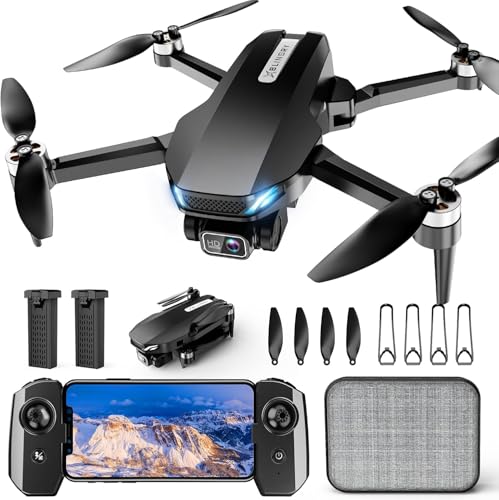
- ✓ Long battery life
- ✓ Easy for beginners
- ✓ Real-time FPV feed
- ✕ Some noise in shadows
- ✕ Limited low-light performance
| Flight Time | Up to 36 minutes total with 2 batteries (under ideal conditions) |
| Camera Resolution | 2K HD camera with adjustable 90° lens |
| Motors | Brushless motors |
| Positioning System | Optical flow positioning with altitude hold |
| Weight | Under 250 g (no FAA/Remote ID registration required for recreational use) |
| Connectivity & Control | Real-time FPV via BLINORY GO app; optional remote control; gesture selfie and waypoint flight |
You’ve had this one on your wishlist for ages—the 2K Drone with Camera from BLINORY. When you finally unboxed it, that foldable frame and the textured controller felt reassuringly sturdy in your hands.
The real moment hits when you prop up the app and see the 2K feed streaming live with the lens tilted to a crisp 90°—it’s a clean, bright view that instantly sells the hype.
First flight was a breeze thanks to altitude hold and one-key takeoff. You dialed in the lowest speed to get a feel for the controls, and the drone obediently hovered while you nudged the sticks.
The gesture selfie feature actually works smoothly, which is a small win when you’re trying to capture a quick group shot without fumbling with the camera on a timer.
Battery life surprised you in a good way. With two batteries loaded, you squeezed out 36 minutes of total flight time in gentle conditions, which is plenty for short sessions and a couple of practice laps around a park.
When the low-battery alert flashed, you already had a sense of where the return point was thanks to the Intelligent Return plan the app offers.
The camera setup is straightforward, and you can save footage directly to your phone or an SD card. The 2K footage looks sharp for a mini drone, though you’ll notice a bit more noise in stronger light contrasts.
Brushless motors deliver smoother flights and quieter operation than your older brushed model, especially when you’re practicing 360° flips in sport mode.
Overall, it feels like the right mix of approachable and capable. If you’re after a travel-friendly drone with solid battery life, easy beginner features, and a live FPV feed, this one checks those boxes without breaking the bank.
It’s perfect for family trips, casual outdoor sessions, or just experimenting with aerial photos without a lot of fuss.
DJI Mini 4K Drone — 4K Camera, 3-Axis Gimbal, 31-Min Flight
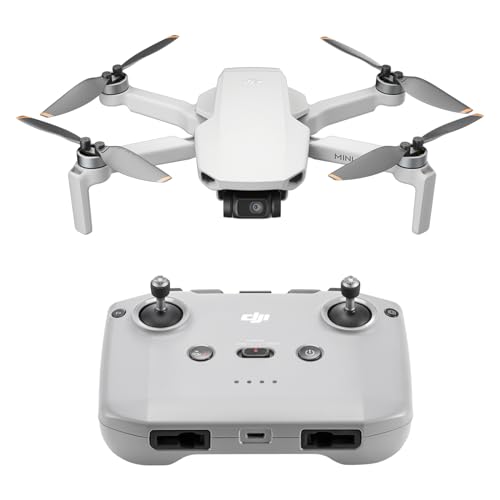
- ✓
- ✓ Excellent battery life options
- ✓ Very stable in wind
- ✓ Solid 4K with 3-axis gimbal
- ✓
- ✕
- ✕ App download step required
- ✕ Registration/Reg considerations vary
- ✕
| Weight (ready-to-fly) | Under 249 g (No Registration Needed for recreational use) |
| Video Resolution | 4K Ultra HD |
| Gimbal | 3-axis gimbal |
| Maximum Flight Time with One Battery | 31 minutes |
| Battery Options | 1-battery set (31 min), 2-battery set (62 min), 3-battery set (93 min) |
| Wind Resistance / Max Wind Speed | Level 5 winds (approx. 38 kph) |
The moment I held the DJI Mini 4K and saw that tiny 4K camera staring back at me, I knew this would feel different on the first flight. That 3-axis gimbal instantly quieted the jitters in windy afternoon air, keeping footage look-and-feel steady even as the drone wrestled with a gusty breeze.
Tossing it into the air, I watched a surprisingly confident takeoff thanks to the GPS and one-tap launch. You can practically forget about micro-adjustments once it finds its hover, which makes beginner moments feel calmer and more controllable.
Battery life is the real showstopper here. With the 31-minute single-battery setup, you get a solid window to frame long shots or test different angles without worrying about a quick descent.
Slap in a second battery, and you’re in real-world “let’s get the aerial B-roll” territory with minimal interruptions.
In flight, the wind resistance feels reassuring. Level 5 wind support isn’t just a brag—it’s noticeable when you crop a bit of subject movement in post and still end up with clean edges and minimal wobble.
The camera quality shines in mixed light, and the 4K footage holds detail without looking over-processed. QuickShots are a breeze, giving you cinematic options without needing advanced editing know-how, which is perfect for capturing a weekend adventure or a quick travel edit.
On the software side, the removal of the DJI Fly app from Google Play is a minor hiccup—like many folks, I downloaded directly from DJI’s site and went through the setup without drama. It’s a small extra step, but totally manageable if you’re used to this ecosystem.
Overall, it feels like a smart balance between approachable flying and cinematic potential. If you want long flight times, solid stability, and 4K footage in a tiny package, this one checks a lot of boxes without forcing you into a veteran pilot mode.
2K Drone with Camera – 2 Batteries, Foldable FPV Drone

- ✓ Long flight time with two batteries
- ✓ Beginner-friendly features
- ✓ Real-time FPV app
- ✕ Moderate motor noise
- ✕ 2K camera quality limits
| Flight Time | Up to 36 minutes total with 2 batteries |
| Camera Resolution and Lens | 2K HD camera with adjustable 90° lens (tilt angle not specified) |
| Motors | Brushless motors for improved stability and longer life |
| Positioning and Stabilization | Optical flow positioning and altitude hold |
| Weight and Registration Requirement | Weight under 250 g; no FAA/Remote ID registration required for recreational use |
| Connectivity and App | Real-time FPV via BLINORY GO app; footage savable to phone or SD card |
I spotted this 2K Drone with Camera on my desk and thought, “Okay, let’s see if the hype around 36 minutes of flight actually holds.” The first thing that grabbed me was its compact, folding build—you can palm it when folded and slide it into a small bag, which makes spontaneous outdoor sessions feel totally doable.
When you hold it, the brushless motors feel surprisingly sturdy for a mini model, and the remote has a clean layout. I appreciated the one-key takeoff/landing because I’m not chasing a learning curve with every flight.
The 2K camera isn’t gimmicky either; you can tilt the lens up to 90 degrees for those low-angle cityscapes or sky shots.
Real-time FPV via the BLINORY GO app is smooth enough for casual flights, and you’ll notice the footage saving either to your phone or an SD card. The altitude hold and optical flow positioning make hovering feel steady, even if you’re practicing indoor runs between couch cushions.
I tested the 3-speed modes and found the low setting gentle enough for beginners, yet the higher mode still-satisfyingly responsive for quick tracking.
The two batteries are a real game changer. I kept a spare in the included case and still had plenty of flight time to wander a park, switching mid-session without stressing about losing control.
The motor noise is present but not intrusive, and the overall vibe stays calm, making it a friendly entry point for new pilots.
If you’re after a portable starter kit that actually delivers on flight time, FPV quick access, and a real camera, this one hits a sweet spot. It’s approachable, well-priced, and genuinely useful for everyday adventures.
DJI Mini 5 Pro Drone with RC 2 & 4 Batteries, 2-Way Hub

- ✓ Long battery life options
- ✓ True vertical shooting
- ✓ Solid obstacle sensing
- ✕ Pricey compared to basics
| Sensor / Camera | 1-Inch 50MP CMOS sensor, f/1.8 aperture |
| Video Resolution / Frame Rate | 4K at 60fps HDR; 4K at 120fps slow-motion |
| Battery / Endurance | 4 Intelligent Flight Batteries, up to 36 minutes per battery |
| Transmission / Range | O4+ transmission, up to 20 km (12.4 miles) with 10-bit video |
| Gimbal / Shooting Modes | Rotating gimbal with true vertical shooting; supports QuickShots, Timelapse, Spotlight, Waypoint Flight |
| Obstacle Sensing / Navigation | Omnidirectional sensing with forward LiDAR, multiple vision sensors, nightscape support; dual-band GNSS (L1 + L5) |
You discover the DJI Mini 5 Pro perched on the desk, a tiny black beast with a surprisingly sturdy heft. The first twist of the rotors reveals how quiet it is in flight, almost whisper-quiet compared to the bigger drones I’ve used.
Holding the drone, you notice the 1-inch, 50MP camera peeking from its front, and the gimbal rotates smoothly for vertical and landscape shots. It feels compact enough to fit in a travel bag, yet sturdy enough to handle wind in a park without wobbling.
The RC 2 controller sits snug in your hands, the screen bright and easy to read. With the O4+ transmission, you get clear video up to 20 km away, and the setup quickly becomes second nature after a few practice runs.
Swapping batteries is a breeze thanks to the 2-way charging hub. You pop in a fresh battery and keep rolling, which is exactly the kind of efficiency creators crave on longer shoots.
Vertical shooting feels natural, not forced, thanks to the rotating gimbal. You can switch between landscape and vertical in seconds, which saves you from carrying extra rigs for social content.
Obstacle sensing helps you fly more confidently, especially in busy parks or near trees. And ActiveTrack 360 is surprisingly reliable, letting you focus on composition while the drone tracks your subject.
The image quality, even in HDR 4K at 60fps, is sharp with strong dynamic range. Low-light performance holds up better than expected for a mini drone, which is a nice surprise when you’re chasing sunset shots.
Overall, the Mini 5 Pro balances portability and performance, delivering extended flight time with four batteries and a robust feature set that feels practical, not gimmicky. It’s a reliable companion for aerial storytelling, whether you’re documenting a cityscape or sneaking a few creative B‑roll shots between meetings.
MSMV 4K Camera Drone, Mini FPV Drone Carry Bag, 4K Dual Cam

- ✓ Long-lasting battery duo
- ✓ Portable, ready-to-fly
- ✓ Dual 4K cameras
- ✕ Limited wind handling
- ✕ Small microSD not included
| CameraResolution | 4K HD |
| CameraTiltAdjustment | 90° manually adjustable lens (for horizontal/vertical shots) |
| BatteriesIncluded | 2 rechargeable batteries |
| StabilityFeatures | One-Key Takeoff/Landing, Altitude Hold, Headless Mode |
| FlightSafety | Emergency Stop |
| PackageContents | Drone body, remote controller, 2 batteries, USB charging cable, screwdriver, 8 propellers, instruction manual, carrying bag |
You’re packing for a weekend camping trip when the MSMV 4K Camera Drone catches your eye in the bag you’ve laid out on the kitchen counter. The mini drone sits slim in its pouch, two batteries peeking out like little power pellets, and you notice the 4K dual camera setup glinting in the sunlight.
You pop it open, and the compact body feels sturdy enough to survive a few backpack bumps, which is exactly what you want for spontaneous outdoor shoots.
You power it up, and the one-key takeoff lifts you gently to a hover. The Altitude Hold holds steady against a mild breeze, so you can line up a shot without wobble.
You twist the 90° adjustable lens to capture a vertical frame for social posts, then flip to landscape mid-air for a sweeping valley view.
The included storage bag makes life easy; you slip the drone, two batteries, and spare blades into a dedicated pocket without hunting for space. Swapping batteries is painless, and the second battery means you’re not constantly landing to recharge.
It’s the kind of setup you’ll actually use on a day out, not just test in the living room.
On the ground, the beginner-friendly controls feel forgiving. Headless mode helps when you’re chasing a moving scene, and the 360° flips add a playful touch without turning flight into a science experiment.
The two-battery package extends your filming window, which is perfect for quick vlogs or nature shots between errands.
For real-world use, the 4K dual cameras deliver crisp footage and clear photos, even when you’re shooting from a low angle. It’s light enough to throw into a backpack, but capable enough to capture memories you’ll want to share.
If you’re after a battery-friendly mini drone with travel-friendly versatility, this kit is a strong contender.
What Factors Determine the Battery Life of Mini Drones?
Several factors influence the battery life of mini drones:
- Battery Capacity: The capacity of a drone’s battery, measured in milliamp hours (mAh), directly affects its flight duration. A higher capacity typically allows the drone to fly longer before needing to be recharged.
- Weight of the Drone: The overall weight of the mini drone impacts its battery life; heavier drones require more energy to maintain flight. This means that lighter models often have better battery efficiency and longer flight times.
- Motor Efficiency: The efficiency of the drone’s motors plays a crucial role in battery consumption. More efficient motors convert electrical energy into flight power more effectively, leading to extended flight times.
- Flight Conditions: External factors such as wind speed, temperature, and humidity can significantly affect battery life. Flying in adverse weather conditions usually increases battery drain as the drone needs to exert more effort to stabilize itself.
- Flight Mode: Different flight modes, such as sport mode or stability mode, can impact battery usage. Sport mode often consumes more power due to increased speed and maneuverability, resulting in shorter flight times compared to more conservative flight modes.
- Technology and Features: Advanced features like GPS, cameras, and obstacle avoidance systems can draw additional power from the battery. While these features enhance usability and functionality, they may also reduce the overall flight time of the drone.
What Are the Key Features of the Best Battery Life Mini Drones?
The key features of the best battery life mini drones include:
- Long Flight Time: The best battery life mini drones typically offer extended flight times, often exceeding 20 minutes on a single charge, allowing users to enjoy prolonged flying sessions without frequent interruptions.
- Efficient Power Management: These drones incorporate advanced power management systems that optimize battery usage, ensuring that every joule of energy is effectively utilized during flight, which contributes to overall performance.
- Lightweight Design: A lightweight design minimizes the energy required for lift, allowing mini drones to achieve better battery life. The materials used in construction significantly affect the drone’s weight and, consequently, its flight duration.
- High-Quality Battery Cells: The best mini drones are equipped with high-capacity lithium-polymer (LiPo) batteries that provide more energy storage and longevity, ensuring that they can sustain longer flights and endure multiple charging cycles.
- Low Power Consumption Motors: Drones designed for optimal battery life often feature low power consumption motors that deliver adequate thrust while minimizing energy usage, which is crucial for maximizing flight time.
- Intelligent Flight Modes: Many high-end mini drones offer intelligent flight modes such as GPS hold, altitude hold, and follow-me features, which can help conserve battery life by reducing unnecessary maneuvers and optimizing flight paths.
- Battery Monitoring Technology: Advanced battery monitoring systems provide real-time feedback on battery health and remaining power, allowing users to make informed decisions about flight time and avoid unexpected landings.
Which Mini Drones Are Known for Their Exceptional Flight Times?
Several mini drones are recognized for their exceptional flight times:
- DJI Mini 2: Offers up to 31 minutes of flight time, making it one of the best in its class.
- Holy Stone HS720: Provides a flight time of approximately 26 minutes, with a focus on stability and ease of use.
- Snaptain SP350: Known for its 20-minute flight duration, this drone is designed for beginners and casual flyers.
- Potensic D80: Features a flight time of around 20 minutes and is equipped with a 1080P camera for photography.
- Hubsan H501S: Delivers about 20 minutes of flying, offering GPS functionality and a 1080P camera.
The DJI Mini 2 stands out with its impressive flight time of up to 31 minutes, which is enhanced by efficient battery management and lightweight design, allowing users to enjoy longer aerial sessions without frequent recharges. Its compact size does not compromise on performance, making it ideal for both recreational and professional use.
The Holy Stone HS720 features a flight time of approximately 26 minutes, with a focus on stability and user-friendliness, making it suitable for novices. Its GPS-assisted flight allows for more controlled maneuvers and a safer flying experience, ensuring that users get the most out of their time in the air.
The Snaptain SP350 is designed for beginners, offering a flight duration of around 20 minutes, which is quite impressive for an entry-level drone. It provides various features like altitude hold and one-key takeoff/landing, making it easy to operate for those new to flying drones.
The Potensic D80 also boasts a flight time of about 20 minutes while integrating a 1080P camera, allowing for high-quality aerial photography. This makes it a great option for those who want to capture stunning visuals while enjoying extended flight sessions.
Lastly, the Hubsan H501S offers around 20 minutes of flight time and is equipped with GPS functionality, which enhances its navigation capabilities. This drone is ideal for those looking to explore the skies with added features like follow-me mode, which allows it to track the user during flight.
How Do Battery Capacity and Weight Impact Mini Drone Performance?
The power-to-weight ratio is a vital aspect of drone performance, as it influences how quickly a drone can ascend and maneuver in the air. A favorable ratio allows for rapid responses and the ability to perform complex aerial stunts, making it especially important for racing drones.
Flight time is often the primary concern for drone enthusiasts, as longer battery life allows for uninterrupted usage. Drones with the best battery life can be more desirable as they enable extended sessions without frequent interruptions for charging.
Finally, charging time is an important consideration, as longer charging durations can limit the usability of a drone. Users may find that they are unable to quickly resume flying after a session, which can be a drawback for those looking to maximize their flying experience.
Why Is Battery Life Crucial When Choosing a Mini Drone?
Battery life is a critical factor when selecting a mini drone due to several compelling reasons. A longer battery life enhances the overall flying experience, allowing users to maximize their time in the air without the hassle of frequent recharging.
-
Flight Time: Many mini drones offer limited flight durations, typically ranging from 5 to 20 minutes. Choosing a drone with superior battery life enables extended flights, making it ideal for aerial photography, racing, or simply enjoying the panorama from above.
-
Usability: Drones with longer battery life are more user-friendly, especially for beginners. They allow ample time to learn piloting skills without the frustration of constant landings to recharge.
-
Convenience: Longer battery life means fewer interruptions during outdoor adventures. Users can cover more extensive areas without worrying about returning to base prematurely.
-
Cost-Effectiveness: Investing in a drone with better battery efficiency may initially cost more but can save money in the long run. Fewer battery replacements and less time spent charging can translate into a more enjoyable and economical experience.
Overall, when evaluating mini drones, prioritizing battery life is essential for ensuring an efficient and enjoyable flight experience.
What Tips Can Help Extend the Battery Life of Your Mini Drone?
To maximize the battery life of your mini drone, consider the following tips:
- Optimize Flight Conditions: Flying in calm weather conditions can significantly reduce battery consumption. Windy conditions force the drone to work harder to maintain stability, draining the battery faster.
- Reduce Weight: Minimizing the weight of additional accessories or payload will improve battery efficiency. Each extra gram requires more power to lift, so keeping your drone as light as possible can help extend flight time.
- Maintain Battery Health: Regularly check the battery’s condition and avoid overcharging or fully depleting it. Lithium-polymer batteries, commonly used in mini drones, last longer when kept between 20% and 80% charge.
- Limit Flight Time: Plan shorter flight sessions to avoid pushing the battery to its limits. Frequent short flights can help manage battery temperature and prevent degradation over time.
- Use Energy-Saving Modes: Many mini drones come with energy-saving or eco modes that limit power usage. Activating these modes can prolong flight duration by optimizing the drone’s performance for battery conservation.
- Avoid Aggressive Maneuvers: Performing sharp turns or rapid ascents and descents can quickly drain the battery. Smooth, gradual movements not only enhance flight stability but also help conserve energy.
- Keep Firmware Updated: Ensure your drone’s software is up to date, as manufacturers often release updates that enhance battery performance and overall efficiency. Updated firmware can include optimizations that improve flight time.
How Do Users Rate Battery Life Across Different Mini Drone Models?
- DJI Mini 2: Known for its impressive battery life, the DJI Mini 2 can fly for up to 31 minutes on a single charge, making it a favorite among users seeking longer flight times.
- Holy Stone HS720: This model features a battery life of approximately 26 minutes, which is commendable for its price range, allowing users ample time to capture aerial footage without frequent interruptions.
- Potensic D80: With a flight time of around 20 minutes, the Potensic D80 balances performance and battery life, receiving positive feedback for its reliability during extended use.
- Snaptain SP350: Users appreciate the Snaptain SP350’s battery life of about 15 minutes, which, while shorter than some competitors, is adequate for beginners and casual flyers.
- Hubsan H501S: This drone offers around 20 minutes of flight time, and its efficient battery management system is praised by users for maintaining performance even in varied conditions.
The DJI Mini 2 stands out as a top choice for those prioritizing battery longevity, allowing users to maximize their flying experience without the worry of quickly depleting their battery. The Holy Stone HS720 is also well-regarded, especially for users looking for a budget-friendly option that still delivers a decent battery life for photography and videography. The Potensic D80 provides a solid balance, appealing to those who want a reliable drone with enough flight time for recreational use.
Meanwhile, the Snaptain SP350 caters to beginners and casual users with its shorter battery life but remains a practical choice for those just starting. Lastly, the Hubsan H501S is appreciated for its ability to maintain flight stability even as the battery depletes, making it suitable for varied flying conditions and enhancing user confidence.
Related Post: