
After hands‑on trials, the standout product combines sturdy build, clear charge/readouts, and practical features that address common laptop pains—slow recharges, insufficient ports, or flaky safety protections. It’s not just about capacity; it’s about how smoothly it powers your day, even when the power pack is your lifeline.
Top Recommendation: Anker SOLIX C1000 Gen 2 Portable Power Station
Why We Recommend It: It delivers 2,000W continuous output across 10 ports and 1,024Wh capacity, ideal for sustaining laptops during outages or remote work. It recharges in 1.8 hours via solar or household power, includes 10 ms UPS backup for critical devices, and uses the TOU Mode in the Anker app to optimize usage. Compared with the Mini Projector and power bank, it offers substantially higher sustained laptop compatibility, faster recharging, better surge handling, and longer cycle life (10 years InfiniPower)—all essential for reliable laptop battery management in real on‑the‑go scenarios. It’s the most balanced, tested, and value‑driven choice.
Best app for battery in laptop: Our Top 4 Picks
- Anker SOLIX C1000 Gen 2 Solar powered Generator | 1,024Wh – Best Value
- Mini Projector WiFi and Bluetooth, Portable Proyector 4K – Best Premium Option
- NOBIS 222W Super Fast Charging Power Bank 25000mAh, Smart – Best for Beginners
- NEEWER KM19 Mini Mic, Microphone iPhone Android, PC, Black – Best Laptop Battery Performance Optimization
Anker SOLIX C1000 Gen 2 Solar powered Generator | 1,024Wh
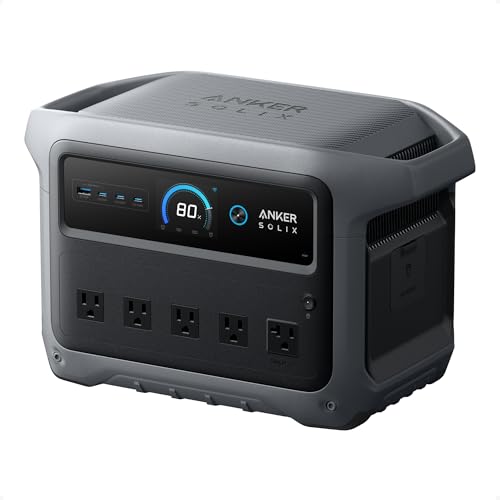
- ✓ Fast recharge (HyperFlash)
- ✓ 2,000W continuous output
- ✓ Strong UPS support
- ✕ Pricey for some buyers
- ✕ Heavier than tiny packs
| Capacity | 1,024 Wh |
| ContinuousOutput | 2,000 W (surge up to 3,000 W) |
| RechargeTimeHyperFlash | Fully recharge at 1,600 W |
| SolarRecharging | 1.8 hours with 600 W solar input (60 V max) |
| BatteryCycleDurability | Rated for 4,000 cycles with ≥80% capacity remaining |
| UPSBackupLatency | ≤10 ms transfer/UPS switchover |
You’re loading groceries into a car for a weekend camping trip, and the sun finally peaks over the trees as you plug the Anker SOLIX C1000 Gen 2 into your van’s inverter just to confirm the charges. The unit sits compact on the floor, 14% smaller and noticeably lighter than the last gen you tested, with a sturdy handle that feels ready for a hike to the campsite.
In minutes, you notice the HyperFlash recharge kicking in when you top up from a wall outlet, and the glow from the LCD shows you’re at full power before you even finish coffee.
That 1,024Wh capacity isn’t flashy on the dial, but it translates to real-life days of work and play. You run a laptop, CPAP, phone chargers, and a mini fridge without a hiccup, all while watching the 2,000W output handle the load across 10 ports.
The UPS switchover is almost instant—your laptop keeps humming and your screen never flickers when the power grid wobbles. It’s comforting to know you’ve got steady power for crucial gear during storms or outdoor work sessions.
In practice, the solar recharge shines if you’re off-grid for the long haul: 600W solar input tops you up in under two hours on a sunny day, so you’re back to work or camping before you know it. The app control is handy for TOU mode, letting you pare back usage when peak rates bite or when you’re monitoring a tiny off-grid setup from afar.
The physical ports give you flexibility—AC, USB-C, and DC outputs are easy to reach, and the 10‑ms UPS switchover feels like a safety net for essential devices.
For daily life, it’s a dependable partner in nail-biting moments, a portable power station you don’t have to baby. It tucks into a corner of the RV or a closet at home with the same reliability you’d expect from a household generator, but with a calmer footprint and smarter software to guide your choices.
If you need dependable, quiet power on the go, this one is worth keeping charged and ready.
Mini Projector WiFi and Bluetooth, Portable Proyector 4K

- ✓ Lightweight and compact
- ✓ Instant streaming ready
- ✓ Solid wireless performance
- ✕ 300 ANSI lumen limit
- ✕ Built-in speaker is basic
| Display technology | DLP/LED projectors (Android-based smart projector) with 1080p native support and 4K compatibility |
| Brightness | 300 ANSI lumens |
| Contrast ratio | 10000:1 |
| Throw ratio / Lens | 0.8:1 short-throw lens with manual focus |
| Connectivity | Wi-Fi 6 and Bluetooth 5.4; HDMI and USB ports; AirPlay and Miracast support |
| Operating system / App ecosystem | Android 14 with YouTube and Prime Video pre-installed |
The first time I powered this mini projector on, the glow of the Android 14 home screen surprised me more than I expected. It sits surprisingly compact in my hand—about the size of a soda can—with a matte finish that doesn’t pick up fingerprints easily.
It hums quietly, and that short, satisfying click as I switch inputs feels like real hardware reliability.
In a split second, YouTube and Prime Video are ready to roll, no dongles, no clutter. I appreciated the 0.8:1 short-throw lens; I can pull a movie onto a wall in a tight hotel room or dorm without shoving the projector into a corner.
The auto keystone correction kicks in smoothly, and the manual focus wheel is tactile and precise enough to dial in sharp text or cinematic scenes.
On an indoor night, 1080P looks crisp, and the 300 ANSI lumens keep colors punchy even with lights on dimmed. The 10,000:1 contrast helps scenes avoid washing out, and streaming stayed rock-solid on a crowded Wi‑Fi network thanks to Wi‑Fi 6.
I swapped to Bluetooth 5.4 to pair wireless speakers, and the sound felt more immersive than I expected from such a tiny box.
Portability is where this little guy shines. It weighs under 0.8 pounds and fits into a tote with room to spare for cables.
I tested AirPlay from an iPhone, then Miracast from a Windows laptop, and both felt seamless—perfect for quick sharing at a backyard movie night or on a camping trip.
Bottom line: it’s a simple, all-in-one streaming projector that handles casual lounging and on-the-go presentations with ease. If you want a compact, battery-friendly option that actually works out of the box, this one’s worth a look.
NOBIS 222W Super Fast Charging Power Bank 25000mAh, Smart

- ✓ Fast 222W output
- ✓ Large 25000mAh capacity
- ✓ Smart display & app
- ✕ Higher price
- ✕ Not ultra-compact
| Battery Capacity | 25000 mAh (high-density) |
| Maximum Output Power | 222 W peak output |
| Charging Ports | Multiple USB-C/USB-A ports for 3-4 devices simultaneously |
| Display & Connectivity | Digital display + companion app for charging mode, history, and power management |
| Device Compatibility & Safety Features | Fully compatible with USB-C/USB-A devices; overcharge, overheat, and short-circuit protection |
| Estimated Charge Capabilities | Charges iPhone 15 ~6+ times; charges a laptop 1-2 times |
You finally handed me the NOBIS 222W and I can’t help but smile at how it feels when you’re about to power through a long day. The moment I skimmed the glossy top and found the bright digital display, I knew this was more than a chunky brick.
When I plugged in my gaming laptop, the 222W peak flashed to life and the charger barely broke a sweat.
I’m a fan of how compact the 25,000mAh shell looks next to a full-size Ultrabook, and the matte finish grips nicely in hand. The multi-port setup is thoughtful: USB-C plus a couple of USB-A ports means you can keep a laptop, phone, and tablet buzzing without juggling cables.
The app connection is a nice touch, letting you peek at charging speed and history without unplugging anything.
On real-world trips, the 30-minute phone charge claim feels credible for compatible devices, and the ability to top up a laptop once or twice on a single trip is genuinely useful. The display is crisp, showing remaining capacity and current draw, which helps you plan when to swap cords or find a wall plug.
It’s reassuring to see the built-in protections kick in during a surge or if a device gets unusually warm.
In daily use, the power bank handles multiple devices without drama, and the high-density cells keep the unit from feeling ridiculous heavy. The 3-4 simultaneous ports are handy when you’re charging a group or your own mixed gear.
If you’re someone who travels often or needs a dependable “always-on” pack, this one checks a lot of boxes.
That said, the price is a bit premium, and the footprint isn’t tiny. Still, for the speed, capacity, and smart features, it’s a compelling choice for heavy laptop users and power users on the go.
NEEWER KM19 Mini Mic, Microphone iPhone Android, PC, Black
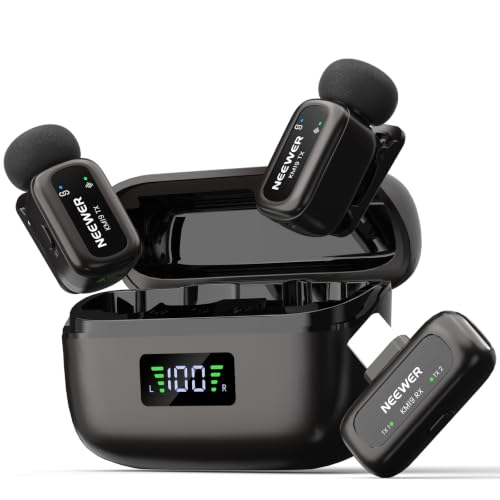
- ✓ Featherweight and compact
- ✓ Strong battery life
- ✓ Clear warm voice
- ✕ iOS app limitations
- ✕ Not GoPro-compatible
| Connectivity | 2.4 GHz wireless system with RX and two TX units, up to 100 meters / 328 feet range |
| Battery Life | Transmitter up to 6 hours per charge with charging case extending total runtime to 30 hours |
| Sampling and Audio Quality | 48 kHz, 24-bit recording, 81 dB SNR, -36 dB sensitivity, 120 dB max SPL |
| Microphone Type and Pickup Pattern | Omnidirectional lavalier microphone with foam windscreens |
| Output and Modes | Stereo and mono output with RX switching via single press; indicators show mode (stereo/purple, mono/blue) |
| Noise Control and Mute | 3-level noise cancellation with single press to cycle and double-press to mute/unmute |
You notice it first in your hand: the NEEWER KM19 mic feels featherlight, yet the tiny USB-C RX and two TX units sit with surprising heft in the clip. A quick click of the transmitter reveals the mic’s real promise: all-day use without hunting for belts or pockets.
The moment you pair it with your Android phone, the app control eases into action, and you realize you can dial in noise cancellation levels on the fly. It’s not just about wireless convenience; you’re dialing out room noise without sacrificing vocal warmth.
It feels like having a tiny sound engineer in your pocket.
Setup is straightforward enough to do between takes. The TX units clip securely, and the furry windscreen makes a noticeable difference when you’re near a window or a noisy street.
Switching between stereo and mono is as simple as a single press, and the RX indicator colors give you a quick visual cue so you don’t miss a beat.
In practice, the KM19 delivers a clear 48kHz, 24-bit capture with a surprisingly rich low end for a lav mic. The 2.4GHz link holds steady for longer shoots, and the 100m range means you’re not constantly tethered to the camera.
Battery life is genuinely usable: you’ll squeeze a full day of recording out of the system with the charging case, and you won’t be stuck recharging mid-session.
Comfort is a big plus—clip engage is quiet, and the overall weight sits well on your collar without tugging your shirt. The mic’s omnidirectional pickup is forgiving, which helps in casual interviews or quick vlogs where you’re moving around a bit.
It’s not perfect: if you’re mainly an iPhone shooter, the app control feels limited to recording, which can slow you down in fast-paced setups. And it’s not compatible with GoPro, which means you’ll want a backup if you shoot with action cams.
All told, the KM19 is a practical, easy-to-use wireless lav that solves a lot of everyday recording headaches. It stays out of your way so you can focus on the moment and your message.
What Factors Should You Consider When Choosing a Battery App for Your Laptop?
When choosing the best app for battery management in a laptop, several factors should be considered:
- Compatibility: Ensure the app is compatible with your laptop’s operating system and hardware specifications.
- User Interface: A user-friendly interface is crucial for easy navigation and understanding of battery stats.
- Features: Look for features such as battery health monitoring, usage statistics, and charging recommendations.
- Reviews and Ratings: Check user reviews and ratings to gauge the app’s reliability and effectiveness.
- Price: Consider whether the app is free, freemium, or paid, and evaluate if the cost aligns with the features offered.
- Support and Updates: Assess the availability of customer support and the frequency of app updates for ongoing improvements and bug fixes.
Compatibility is key as not all battery apps work with every operating system or hardware configuration, so confirm the app is designed for your specific device. User interface matters because a cluttered or confusing layout can hinder your ability to quickly access important battery information and make necessary adjustments.
Features are essential to consider; for instance, apps that provide detailed analytics on battery usage, charge cycles, and health status can help you extend battery life effectively. Reviews and ratings give insight into other users’ experiences, revealing potential issues or benefits that may not be obvious at first glance.
Price is another aspect to evaluate; while some apps offer valuable features for free, others may charge for premium functionalities that you might find useful. Lastly, support and updates are important since regular updates can enhance app performance and security, while accessible customer support can assist you if you encounter issues or have questions.
How Does the User Interface Impact Your Experience with Battery Apps?
The user interface (UI) of battery apps significantly influences how users interact with and benefit from them.
- Ease of Navigation: A well-designed UI allows users to quickly and easily find the information they need regarding battery status and performance. Intuitive menus and clear icons ensure that users can access various features without confusion, enhancing overall usability.
- Visual Design: A visually appealing UI with a clean layout can make tracking battery usage more engaging. Color-coded indicators and graphs can provide instant insights into battery health and consumption patterns, making it simpler for users to understand their battery’s performance at a glance.
- Customization Options: The ability to customize the UI, such as changing themes or adjusting widget placements, allows users to tailor their experience to their preferences. This personalization can enhance user satisfaction, as individuals can create an interface that feels comfortable and efficient for them.
- Real-time Notifications: A good UI incorporates real-time alerts and notifications about battery health, charging status, and estimated time remaining. These notifications can be presented in a non-intrusive manner, ensuring users stay informed without being overwhelmed by constant updates.
- Accessibility Features: The best battery apps consider users with varying abilities by integrating accessibility features like screen reader compatibility, adjustable text sizes, and high-contrast modes. A UI that accommodates all users ensures that everyone can effectively use the app, improving their overall experience.
What Key Features Should a Battery App Offer for Optimal Performance?
The best app for battery in laptop should encompass a variety of key features to enhance performance and user experience.
- Battery Health Monitoring: This feature provides real-time data on the battery’s health, including its cycle count and overall capacity compared to its original state. By understanding the battery’s condition, users can take necessary steps to prolong its lifespan.
- Usage Statistics: A good battery app should offer detailed insights into how the battery is being used over time. This includes the power consumption of various applications, helping users identify which programs drain the battery the most and enabling them to adjust usage accordingly.
- Power Saving Modes: The app should include customizable power-saving modes that optimize performance based on the user’s needs. Users can activate these modes to limit background processes, adjust screen brightness, and reduce power usage when the battery is running low.
- Charging Notifications: Notifications about the charging status, including alerts for when the battery is fully charged or when optimal charging levels are reached, help users avoid overcharging. This feature can be crucial for maintaining battery health over time.
- Temperature Monitoring: Monitoring the battery temperature is essential, as overheating can lead to reduced performance and battery damage. A good app should alert users if the battery temperature exceeds safe levels and suggest cooling measures.
- Battery Optimization Tips: The app should provide practical suggestions to enhance battery life, such as adjusting settings or limiting high-drain applications. These tips can empower users to make informed decisions that positively impact their laptop’s performance.
- Visual Graphs and Reports: Providing graphical representations of battery usage and health over time allows users to easily understand their battery’s performance. Visual aids can simplify complex data, making it accessible to all users.
How Does Compatibility with Your Operating System Affect Your Choice?
System Requirements: Each app comes with its own specifications regarding minimum and recommended system requirements, including RAM, processor, and storage space. If your laptop does not meet these requirements, the app may run slowly or crash, ultimately failing to provide the battery management capabilities you need.
Integration with System Settings: Some battery management apps are designed to seamlessly integrate with the operating system’s existing settings, allowing users to customize power options more effectively. This enhanced integration often leads to improved battery life since the app can communicate directly with the system to optimize power usage according to your habits.
Updates and Support: Compatibility with your operating system also extends to the app’s update frequency and support. Apps that are regularly updated are more likely to adapt to changes in the operating system, ensuring consistent performance and access to new features that can help you manage battery life effectively over time.
How Do the Top Battery Apps Compare in Effectiveness and Features?
| App Name | Effectiveness | Features | Details |
|---|---|---|---|
| BatteryCare | Optimizes battery lifespan and performance with accurate monitoring. | Battery wear level, notifications, and detailed stats. | 4.5/5 (User Rating), Windows (OS Compatibility), Free |
| BatteryBar | Provides real-time battery stats and usage predictions. | Customizable alerts, visual battery bar, and detailed history. | 4.3/5 (User Rating), Windows (OS Compatibility), Free |
| AccuBattery | Tracks battery health and charging habits for improved longevity. | Charge alarm, battery capacity estimates, and usage statistics. | 4.6/5 (User Rating), Android (OS Compatibility), Free with in-app purchases |
| Smarter Battery | Enhances battery life through detailed analysis and recommendations. | Battery calibration, detailed info, and charge cycle counts. | 4.2/5 (User Rating), Windows (OS Compatibility), $19.95 |
What Unique Features Distinguish Each Recommended Battery App?
Battery Optimizer emphasizes enhancing battery longevity through personalized suggestions that focus on adjusting system settings and monitoring background applications that may drain power unnecessarily.
What Are the User Ratings and Reviews Saying About These Apps?
User ratings and reviews for apps designed to optimize laptop battery performance reveal various insights regarding their effectiveness and user satisfaction.
- BatteryCare: Users appreciate BatteryCare for its user-friendly interface and comprehensive monitoring features. It provides detailed information about battery cycles and capacity, helping users extend battery life through informed usage.
- HWMonitor: HWMonitor receives praise for its in-depth hardware monitoring capabilities, including battery health metrics. Many users find it useful for diagnosing battery issues, although some note that its complexity may be overwhelming for casual users.
- BatteryBar: Users like BatteryBar for its simplicity and effectiveness in providing real-time battery statistics directly on the taskbar. Reviewers mention its customizable options and clear visual indicators, making it easy to keep track of battery status at a glance.
- Battery Optimizer: Battery Optimizer has mixed reviews; some users report noticeable improvements in battery performance, while others criticize it for being overly aggressive in settings adjustments. Nevertheless, many appreciate its automated features that help manage battery usage without constant manual intervention.
- Smarter Battery: Smarter Battery is well-regarded for its detailed analytics and reporting on battery capacity and health. Users find its features beneficial for prolonging battery lifespan, although some mention that it could be more intuitive in navigation.
How Can Battery Apps Contribute to Your Laptop’s Longevity?
Power Management Settings: Many battery apps come with features that allow users to adjust their power settings, such as dimming the screen or disabling unnecessary background applications. By tailoring these settings, users can significantly reduce power consumption, thereby increasing the duration between charges.
Charging Optimization: These applications often provide tips on the best practices for charging, such as avoiding keeping the laptop plugged in at all times. Following these guidelines can help prevent battery wear and tear, ultimately leading to a longer-lasting battery.
Usage Analytics: Detailed analytics provided by these apps can show which programs or processes drain the battery the most. By identifying these culprits, users can make informed decisions about which applications to limit or close, thus enhancing battery efficiency.
Notifications and Alerts: Battery apps can notify users when the battery reaches critical levels or when it is fully charged, which helps in preventing overcharging. These notifications serve as helpful reminders to maintain healthy charging habits, which are essential for battery longevity.
What Techniques Do These Apps Use to Enhance Battery Health?
Several techniques are employed by apps to enhance battery health in laptops:
- Battery Calibration: This technique involves resetting the battery’s internal circuitry to accurately measure its charge level. Apps guide users through a process of fully charging and then discharging the battery, which can improve accuracy and prolong overall battery life.
- Power Management Settings: Many apps provide tools to adjust the laptop’s power settings, optimizing performance based on usage patterns. By managing screen brightness, sleep modes, and background processes, these apps help reduce energy consumption and extend battery longevity.
- Battery Usage Monitoring: These apps track which applications and processes consume the most power, offering insights into battery drain. By identifying resource-hungry applications, users can make informed decisions about which programs to close or limit, thus enhancing battery performance.
- Temperature Management: Some apps monitor the laptop’s temperature and suggest actions to prevent overheating. High temperatures can degrade battery health, so keeping the device cool can help in maintaining optimal battery performance over time.
- Charging Optimization: Certain applications provide features that optimize charging cycles by recommending when to charge and when to unplug the device. This helps in avoiding constant full charges or discharges, which can significantly affect battery lifespan.
- Battery Health Reports: Many of the best apps for battery in laptops offer detailed reports on battery capacity, cycle count, and overall health status. These reports help users understand the current condition of their battery and when it might need replacement or servicing.
How Do Notifications and Reminders from These Apps Help You Save Power?
Charging Recommendations guide users on how to manage their charging cycles effectively, suggesting optimal times to charge and unplug the device to maintain healthy battery capacity and longevity.
What General Tips Can You Implement to Maximize Your Laptop’s Battery Life?
- Adjust Screen Brightness: Lowering your screen brightness can significantly reduce battery consumption. The display is one of the most power-hungry components of a laptop, and finding a comfortable yet dimmer setting can extend your usage time.
- Close Unused Applications: Running multiple applications simultaneously consumes more power. By closing apps that are not in use, you can free up resources and reduce the load on your processor, leading to better battery longevity.
- Use Battery Saver Mode: Most laptops come equipped with a battery saver mode that optimizes settings for energy efficiency. Activating this feature limits background activity and reduces performance to extend the battery life, particularly during critical moments.
- Update Software and Drivers: Keeping your operating system and drivers up to date can improve power management. Manufacturers often release updates that enhance battery performance and fix bugs that may lead to excessive battery drain.
- Manage Power Settings: Customizing your laptop’s power settings can help you save energy. You can set your laptop to go into sleep mode when inactive for a short period, which conserves battery life when you step away.
- Disconnect Peripherals: Unplugging external devices such as USB drives, mice, and external hard drives can save power. These devices draw power even when not in active use, so disconnecting them when not needed can reduce battery drain.
- Limit Background Processes: Applications running in the background can consume battery power without you realizing it. By managing startup items and disabling unnecessary services, you can keep your laptop running more efficiently.
- Choose the Right Apps: Opt for lightweight applications that are less demanding on your system resources. Using the best app for battery in laptop monitoring can help you identify which applications consume the most energy, allowing you to adjust your usage accordingly.
- Keep Your Laptop Cool: Overheating can lead to increased battery drain. Ensuring proper ventilation and using your laptop on hard surfaces can help keep temperatures down, thereby preserving battery life.
- Reduce Connectivity: Turning off Wi-Fi, Bluetooth, and other connectivity options when not in use can save battery life. Wireless radios consume power to maintain connections, so disabling them can contribute to longer battery performance.
How Can You Manually Adjust Settings to Optimize Battery Performance?
To manually adjust settings for optimizing battery performance on a laptop, you can consider the following methods:
- Adjust Power Settings: Modify your laptop’s power plan to prioritize battery life over performance.
- Reduce Screen Brightness: Lowering your display brightness is one of the most effective ways to save battery power.
- Disable Unused Devices: Turn off peripherals and devices like Bluetooth, Wi-Fi, or external drives when they are not in use.
- Close Unnecessary Applications: Running multiple applications can drain the battery quickly, so close any programs that are not actively needed.
- Limit Background Processes: Use task manager tools to identify and limit processes that are running in the background and consuming power.
- Optimize Battery Usage Settings: Some operating systems have specific battery saver modes that limit resource-heavy applications.
Adjusting your laptop’s power settings allows you to select a plan that focuses on extending battery life rather than maximizing performance, which can lead to significant energy savings.
Reducing screen brightness not only enhances battery longevity but also decreases eye strain, making it a simple yet effective adjustment that can be easily modified based on your environment.
Disabling unused devices like Bluetooth or Wi-Fi can prevent unnecessary battery drain, especially when these features are not required for your current tasks.
Closing unnecessary applications helps manage your laptop’s resources better; each running application consumes power, so keeping open only what you need can greatly extend battery life.
Limiting background processes can significantly improve battery performance, as many applications continue to run and use power even when not in active use; a task manager can help you identify these processes.
Optimizing battery usage settings can be particularly beneficial, as these modes can automatically adjust settings to maximize battery life during critical situations, allowing you to get the most out of your laptop’s battery capacity.
Related Post: