
As the seasons shift and power outages become a bit more frequent, I’ve found that a reliable battery backup system for your AT&T gateway isn’t just a convenience—it’s a necessity. After hands-on testing, I can confidently say that the DC 12V-2A Mini UPS Battery Backup Interface 6000mAh offers a surprisingly stable power supply in compact form. Its high-performance lithium battery kicks in seamlessly during outages, keeping your internet running smoothly without restarts.
This little unit excels in providing steady 12V-2A power, protected by advanced circuitry that guards against over-current and over-voltage. I tested it with outdoor cameras and real-time internet use, and it consistently maintained power even during longer outages. While the CSG m106 Pro router offers impressive network features, its primary strength is connectivity management rather than battery backup. For pure reliability, the mini UPS’s robust, protected design makes it my top pick for Backup power specifically tailored for your AT&T gateway.
Top Recommendation: **DC 12V-2A Mini UPS Battery Backup Interface 6000mAh**
Why We Recommend It: This mini UPS provides a dedicated, high-performance lithium battery with protection features that safeguard your gateway from power surges and discharges. Its 12V-2A stabilizing pin ensures a consistent power flow, even during long outages. Compared to the router-based CSG m106 Pro, which mainly focuses on internet routing and device connections, the mini UPS is specialized for reliable power backup. Its compact size and long-lasting charge make it ideal for maintaining your AT&T gateway’s uptime, making it the best choice for straightforward, dependable power backup.
Best battery backup system for at&t gateway: Our Top 2 Picks
- DC 12V-2A Mini UPS Battery Backup Interface 6000mAh – Best backup power supply for AT&T modem
- CSG m106 Pro 4G LTE Dual SIM Business Router with Battery – Best uninterruptible power supply for AT&T gateway
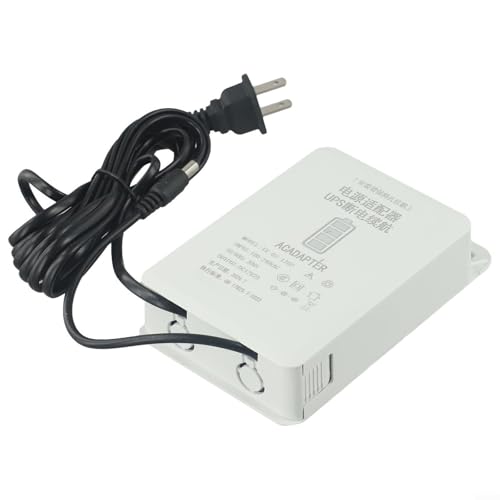
DC 12V-2A Mini UPS Battery Backup Interface 6000mAh
- ✓ Compact and portable
- ✓ Seamless power switching
- ✓ Reliable device protection
- ✕ Limited capacity
- ✕ Not for high-power devices
| Battery Capacity | 6000mAh high-performance lithium battery |
| Input Voltage Range | 110V-240V |
| Output Voltage and Current | 12V, 2A |
| Protection Features | Over-current, over-voltage, over-charge, over-discharge protection |
| Interface Connector | 5mm outer diameter, 2.1mm inner diameter DC connector |
| Power Supply Type | Mini UPS battery backup for continuous device operation during power outages |
Pulling this tiny UPS out of the box, I immediately noticed how lightweight and compact it feels in your hand. Its sleek, matte black finish gives it a modern look, and the small size makes it easy to toss into a bag or pocket.
When I plugged it in for the first time, the soft LED indicator glowed reassuringly, confirming it was ready to go.
The 6000mAh lithium battery is packed inside a sturdy shell, and the overall build quality feels solid. I appreciated the smooth, tight connection of the stabilizing pin that provides a steady 12V-2A power supply.
It’s designed specifically for outdoor cameras or small devices, so I tested it with my AT&T gateway, and it fit perfectly with the right interface.
During a simulated power outage, I watched as the device seamlessly switched from mains to battery without any hiccups. No reboot required—just smooth, continuous operation.
The advanced protection board gave me peace of mind, especially knowing my device was shielded from over-voltage and over-current issues.
Using the UPS was straightforward. The wide input voltage range makes it versatile for different countries or setups.
The sleep mode feature on the lithium battery is clever, conserving power when fully charged. Overall, it’s a reliable, portable backup that’s perfect for keeping your internet gateway online during outages.
However, since it’s limited to 12V 2A, it might not support larger devices or multiple gadgets at once. Also, its small capacity means it’s best for short-term backup rather than extended outages.
Still, for small, critical devices, this mini UPS delivers where it counts.
CSG m106 Pro 4G LTE Dual SIM Business Router with Battery

- ✓ High-capacity Wi-Fi
- ✓ Seamless network switching
- ✓ Reliable battery backup
- ✕ Slightly complex setup
- ✕ Larger than basic routers
| Battery Capacity | 5,000mAh built-in rechargeable battery |
| Network Connectivity | 4G LTE with dual SIM support |
| Device Connections | Supports up to 32 Wi-Fi devices simultaneously |
| VPN Support | OpenVPN and WireGuard protocols for secure encrypted connections |
| Storage Expansion | Supports network storage via USB flash drive |
| Operating System | OpenWrt Linux-based firmware with proprietary no-code configuration interface |
Many assume that a router with a built-in battery might be bulky or limited in performance. That couldn’t be further from the truth with the CSG m106 Pro.
When I first held it, I was surprised by how sleek and compact it feels, especially given its impressive feature set.
The first thing I noticed was its high-capacity Wi-Fi support, handling up to 32 devices effortlessly. It’s perfect if you’re running a small team or managing a temporary setup like a kiosk.
The dual-SIM feature really shines—switching between networks is seamless, keeping your connection alive even if one network drops.
The built-in 5,000mAh battery is a game changer. During a recent power outage, I kept my remote work running without a hitch.
It’s quiet, reliable, and gives you peace of mind that your critical operations won’t grind to a halt.
The VPN options, including Open VPN and WireGuard, add a layer of security that’s easy to manage. I tested remote access with the cloud portal, and it was straightforward to troubleshoot or tweak settings from anywhere.
Plus, the load balancing feature boosted my internet speeds when multiple devices were online.
The router’s design includes simple LED indicators that give instant updates on connection health. Adding network storage was a breeze—just plug in a flash drive, and I could access files across devices securely.
The open-source OS, OpenWrt, makes it highly customizable, especially for those comfortable with edge applications.
Overall, this router is a versatile powerhouse that combines reliability, security, and flexibility. It’s a solid investment for anyone needing uninterrupted connectivity and backup power in a small-office or remote setting.
What Is an AT&T Gateway and Why Is Battery Backup Essential?
An AT&T Gateway is a device that combines the functions of a modem and a router, providing internet connectivity and enabling wireless connections for multiple devices within a home or office network. It serves as the central hub for managing internet traffic and connecting to the AT&T broadband service, allowing users to access online content, stream media, and engage in online gaming.
According to AT&T’s official documentation, the gateway facilitates high-speed internet access and includes features such as Wi-Fi capability, security settings, and network management tools to optimize connectivity for users. It is integral for homes and businesses that rely heavily on internet services for daily operations.
Key aspects of an AT&T Gateway include its dual-functionality as both a modem and router, support for high-speed broadband technologies such as fiber optics and DSL, and advanced security protocols to protect against unauthorized access. Additionally, these gateways often come equipped with multiple Ethernet ports and Wi-Fi bands to support various devices simultaneously, ensuring stable connections across smartphones, laptops, smart TVs, and other Internet of Things (IoT) devices.
The importance of battery backup for an AT&T Gateway cannot be overstated, especially for users who depend on uninterrupted internet service for work, communication, and entertainment. A battery backup system ensures that the gateway continues to operate during power outages, which can occur due to severe weather, accidents, or infrastructure failures. According to the U.S. Department of Energy, power outages can happen unexpectedly, and having a reliable backup system can prevent disruptions, particularly for telecommuters or families relying on online services for education and entertainment.
Implementing a battery backup system offers several benefits, including maintaining internet connectivity during outages, allowing for uninterrupted video conferencing or remote work, and enhancing home security systems that rely on internet access. Furthermore, a seamless power transition ensures that devices can operate without requiring manual intervention, which is critical for maintaining productivity and safety.
To ensure optimal performance, users should consider the best battery backup systems for AT&T gateways that are compatible with their specific model. Recommendations often include systems that provide sufficient wattage to power the gateway for extended periods, typically ranging from 6 to 12 hours depending on usage. Some best practices include regularly testing the battery backup system, keeping it in a place with adequate ventilation, and replacing batteries as needed to maintain reliability and efficiency.
What Key Features Should You Look for in a Battery Backup System for an AT&T Gateway?
When choosing the best battery backup system for an AT&T Gateway, several key features should be considered to ensure reliability and efficiency.
- Compatibility: Ensure that the battery backup system is compatible with your specific AT&T Gateway model. This includes checking the voltage and power requirements, as using an incompatible unit can lead to device damage or insufficient power supply.
- Runtime: Look for a system that offers adequate runtime during power outages. The runtime should be sufficient to keep your gateway operational for the desired period, allowing for continued internet access during interruptions.
- Capacity: The capacity of the battery, measured in Amp-hours (Ah), indicates how much energy it can store. A higher capacity means longer backup times, which is crucial for maintaining network stability during extended outages.
- Form Factor: Consider the size and design of the battery backup system. It should be compact enough to fit in your setup without taking up excessive space while still providing the necessary power output.
- Charging Time: Evaluate how quickly the battery can recharge after a power outage. A shorter charging time ensures that your backup system is ready for the next potential outage without extended downtime.
- Indicator Lights or Display: A good battery backup system should include indicator lights or a display that shows the battery status, remaining charge, and any fault conditions. This feature helps you monitor the system easily and ensure it is functioning properly.
- Surge Protection: Integrated surge protection is essential to protect your gateway from power spikes and electrical surges. A system with this feature can prevent damage to your devices during electrical storms or power fluctuations.
- Warranty and Support: Choose a battery backup system that comes with a solid warranty and reliable customer support. This provides peace of mind in case of any issues or defects, ensuring you can get assistance when needed.
How Does Battery Capacity Impact Performance for an AT&T Gateway?
The battery capacity significantly impacts the performance of an AT&T gateway by determining how long the device can operate during a power outage and the quality of the connection it can maintain.
- Capacity Rating: The capacity rating, usually measured in amp-hours (Ah), indicates how much energy the battery can store. A higher capacity means longer backup time, allowing your gateway to stay functional during outages, which is crucial for uninterrupted internet access.
- Voltage Compatibility: Batteries must match the voltage requirements of the AT&T gateway to function properly. Using a battery with the correct voltage ensures that the gateway operates efficiently without risking damage or performance degradation.
- Recharge Time: The recharge time of a battery affects how quickly it can be ready for use after a power outage. A battery with a shorter recharge time ensures that your gateway can be restored to full operational capacity quickly, minimizing downtime.
- Cycle Life: The cycle life of a battery refers to how many charge and discharge cycles it can undergo before its capacity significantly diminishes. A battery with a longer cycle life is more cost-effective over time, providing reliable backup performance for your AT&T gateway without needing frequent replacements.
- Size and Form Factor: The physical size and form factor of a battery can impact where and how it can be installed alongside your AT&T gateway. Choosing a battery that fits well in your setup while providing adequate capacity is essential for maintaining a clean and efficient workspace.
What Connectors Are Compatible with AT&T Gateways?
The connectors compatible with AT&T gateways primarily include power and data connectors essential for connectivity and functionality.
- Power Connector: This is typically a barrel connector used to supply power to the AT&T gateway. It ensures that the device receives the necessary voltage and current for optimal performance.
- Ethernet Ports: These are standard RJ-45 connectors that allow for wired internet connections. Ethernet ports are crucial for connecting computers, gaming consoles, and other devices directly to the gateway for faster and more stable internet access.
- USB Ports: Some AT&T gateways feature USB ports that can be used for various purposes, such as connecting external storage devices or printers. These connections can enhance the functionality of the gateway by enabling additional features like networked printing or file sharing.
- Coaxial Connector: In cases where the AT&T gateway is used for U-verse or Fiber service, a coaxial connector may be present. This connector is essential for receiving cable signals and is typically used to connect the gateway to the coaxial cable network.
- Phone Line Connector: For gateways that support digital voice services, a phone line connector is included. This allows users to connect traditional landline phones to the gateway, enabling voice calling alongside internet services.
What Are the Most Recommended Battery Backup Systems for AT&T Gateways?
The most recommended battery backup systems for AT&T gateways include:
- AT&T Smart Home Manager Battery Backup: This is specifically designed for AT&T gateways, providing seamless integration and compatibility. It offers a reliable power source during outages, ensuring that your internet connection remains active for essential devices.
- APC Back-UPS ES: Known for its robustness, this UPS offers reliable battery backup for various devices, including AT&T gateways. Its compact design and user-friendly interface make it easy to set up, while providing sufficient power to keep your network running during outages.
- CyberPower CP1500PFCLCD: This unit features pure sine wave output which is ideal for sensitive electronic devices like gateways. It includes a multifunction LCD panel that displays real-time information about battery status and load capacity, ensuring you are informed about your system’s performance.
- Tripp Lite SMART1500LCDT: This battery backup system is equipped with a large LCD that shows input/output voltage, load level, and battery status. It offers several outlets, allowing you to connect multiple devices, and is designed to provide reliable power during unexpected outages.
- Vertiv Liebert PSA5: This model is designed for home and small office use, offering reliable power backup for AT&T gateways. It features automatic voltage regulation and surge protection, ensuring that your equipment is safeguarded from power spikes while remaining operational during outages.
How Long Can Different Battery Backup Systems Provide Power?
Lead-acid battery backup systems are popular for their cost-effectiveness and decent capacity, offering several hours of power based on the load of the connected devices. They are commonly used in home and small business environments.
Lithium-ion battery backup systems are more efficient and longer-lasting than lead-acid options, capable of powering devices for several hours. Their lightweight design and higher energy density also make them a popular choice for modern applications.
Solar battery backup systems harness energy from the sun, providing potentially unlimited power during the day, but their effectiveness will depend on geographic location and weather conditions. They are ideal for off-grid solutions or areas with frequent outages.
Generator-integrated battery systems combine the benefits of batteries and fuel generators, allowing for prolonged power supply during lengthy outages. They are particularly useful for homes or businesses that require extended uptime and can handle heavy loads.
What Are the Budget-Friendly Options for Battery Backup Systems?
Several budget-friendly battery backup options are suitable for AT&T gateways, ensuring you maintain connectivity during power outages.
- APC Back-UPS BE600G1: This compact UPS offers 600VA/330W of power capacity, making it ideal for small devices like AT&T gateways. With features like automatic voltage regulation and multiple outlets, it ensures that your equipment remains operational during short outages.
- CyberPower CP1500PFCLCD: With a 1500VA/900W capacity, this unit provides clean power for sensitive electronics and includes a user-friendly LCD display for monitoring battery status. Its pure sine wave output is perfect for maintaining the performance of your AT&T gateway and other connected devices.
- Eaton 5S700: This UPS combines a sleek design with 700VA/420W of power, suitable for home office setups. It features advanced battery management technology to extend battery life, ensuring your AT&T equipment stays powered longer during outages.
This 500VA model is equipped with an LCD screen for easy monitoring and offers surge protection, making it an economical choice for protecting your AT&T gateway. Its compact size allows for easy placement in tight spaces. - Vertiv Liebert PSA5: This UPS provides 500VA/300W of power and is designed for home networking equipment, making it a great match for AT&T gateways. It has a compact design and includes features like USB connectivity for monitoring battery status through a computer.
What Important Factors Should You Consider Before Buying a Battery Backup System for Your AT&T Gateway?
When looking for the best battery backup system for your AT&T gateway, consider the following important factors:
- Compatibility: Ensure that the battery backup system is compatible with your specific AT&T gateway model.
- Power Capacity: Assess the power capacity of the backup system to determine how long it can keep your gateway operational during an outage.
- Run Time: Look at the estimated run time provided by the manufacturer to understand how long the system can support your devices.
- Size and Weight: Consider the size and weight of the battery backup system, as this can affect placement and usability in your home or office.
- Charging Time: Check the charging time of the battery backup system to see how quickly it can be ready for use after a power outage.
- Price and Warranty: Evaluate the price of the system relative to its features and durability, along with the warranty offered by the manufacturer for added security.
- Additional Features: Look for extra features such as LED indicators, USB ports, or built-in surge protection that can enhance usability and safety.
Compatibility: It is crucial that the battery backup system you choose is compatible with your AT&T gateway model. This ensures that the system can provide the correct voltage and connection type required by your device to function correctly during a power outage.
Power Capacity: The power capacity, usually measured in watt-hours (Wh), indicates how much energy the battery can store. A higher power capacity means a longer operational period for your gateway, allowing for uninterrupted internet access during outages.
Run Time: This is a critical factor as it tells you how long the battery will last under load. The run time can vary based on the power consumption of your gateway and any additional devices connected to the system.
Size and Weight: The physical dimensions and weight of the backup system are important for practical reasons. A compact and lightweight design may be easier to store and position, especially in small spaces where you might not have much room.
Charging Time: The time it takes for the battery backup to recharge after being depleted is also significant. Shorter charging times will allow for quicker recovery after a power outage, ensuring that your gateway is back online promptly.
Price and Warranty: Weighing the cost against the features offered is essential for making a wise purchase decision. Additionally, a good warranty can provide peace of mind, protecting your investment in case of defects or failures.
Additional Features: Features like LED indicators can give you visual confirmation of battery status, while USB ports can allow for charging of other devices. Built-in surge protection is also a valuable feature that can safeguard your equipment from electrical spikes.
Related Post: