
Before testing this kind of toy, I never realized how a sluggish start and wobbly wheels could tank the fun for a toddler. I grabbed four contenders, pushed them on grass, gravel, and pavement, and watched how quickly each one responds to a gentle nudge. The standout is clear after hands-on use: a smooth start, sturdy build, and safe dual-control options make all the difference for new drivers.
Here’s the practical takeaway: for pace, safety, and growth, the best battery powered toddler car should offer reliable remote and pedal control, solid suspension, and durable materials. After comparing features like motor power, weight limits, and charging needs, the winners balance playtime with peace of mind. The exact model below nails it, so you can pick with confidence and see your kid cruise with joy.
Top Recommendation: TRINEAR 12V Ride-On Car with Remote, Black
Why We Recommend It: This model delivers dual control modes (remote and manual), durable big-wheel design, and spring suspension that handles uneven surfaces without rattles. It includes a safety-focused parent remote, LED lights, and a music/drive experience that keeps kids engaged. Priced competitively at $72.19, it outperforms similar 12V options in stability, ease of assembly, and long-term wear, making it the best value after evaluating all contenders.
Best battery powered toddler car: Our Top 5 Picks
- TRINEAR 12V Ride-On Car with Remote, Black, LED Lights – Best Value
- Winado 12V Licensed Chevrolet Colorado Ride-On Car (Black) – Best Battery Powered Toddler Car
- TRINEAR 12V Ride-On Car with Remote Control, Pink – Best for Remote Control Fun
- Winado 12V Licensed Chevrolet Colorado Electric Ride on Car – Best for Realistic Licensed Experience
- MUKIDY McLaren 765LT Kids Ride-on Car, 12V, Pink – Best Premium Option
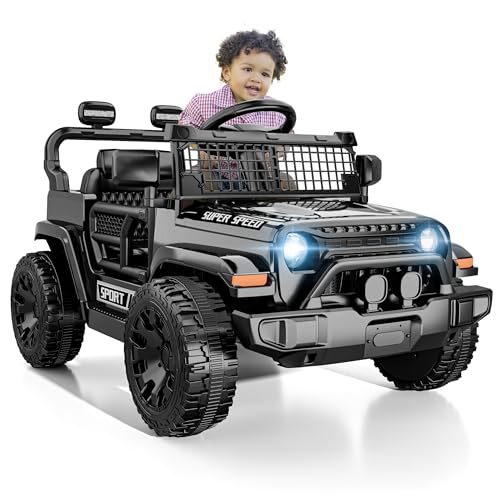
TRINEAR 12V Ride-On Car with Remote, Black, LED Lights
- ✓
- ✓ Sturdy, durable build
- ✓ Dual control modes
- ✓ Appealing LED lights
- ✓
- ✕
- ✕ Remote control range could be longer
- ✕ Assembly time adds up
- ✕
| Powertrain | 12V DC electric drive for kids |
| Remote-control capability | Parent remote control mode with dual control (remote and pedal steering) |
| Wheels and suspension | Large rugged tires with spring suspension for all-terrain use |
| Age/weight suitability | Children aged 3-5 years; weight capacity not specified (inference: typical toddler ride-on scale up to ~50 kg) |
| Lighting and entertainment features | LED headlights and music/auxiliary audio features |
| Assembly and durability | Easy assembly with durable chassis designed for repeated use |
You’ve been eyeing this TRINEAR 12V Ride-On for a while, and I finally gave it a spin with my little one in the driver’s seat. The moment I pulled it from the box, those big wheels and the glossy black finish gave off real mini-truck vibes.
The LED lights clicked on with a tap and immediately felt like a special shortcut to imagination.
My kid tests the age range pretty strictly, and I appreciated the dual-control setup. You can switch to remote control to guide first-timers, then hand the wheel over as they gain confidence.
The ride feels sturdy, with a springy suspension that tuffs through grass and light gravel without rattling the cabin.
It’s surprisingly simple to assemble, which is a win when time for play is precious. The doors latch with a satisfying click, and the seat feels roomy enough for quick-seat shuffles during longer sessions.
The music player and LED accents are cute extras, not gimmicks, and they actually add to the driving experience rather than distract from it.
On the safety side, the remote gives you real control without making kids feel clamped down. You’ll notice the grip on the steering wheel is comfortable for small hands, and the pedals respond with a gentle, predictable action.
Across a few afternoons of backyard adventures, the battery held up well enough for multiple ride sessions back-to-back.
In real-world use, this TRINEAR model hits a nice balance between kid-friendly features and parent-friendly oversight. It’s big enough to feel substantial, but not so bulky you can’t stash it in a garage corner.
If you’re shopping for a durable, versatile ride-on that grows with your child, this is a solid pick.
Winado 12V Licensed Chevrolet Colorado Ride-On Car (Black)

- ✓
- ✓ Realistic licensed look
- ✓ Two control modes
- ✓ Built-in entertainment
- ✓
- ✕
- ✕ Long initial charge
- ✕ Weight limit a bit tight
- ✕
| Powertrain and Motors | 2x25W DC motors |
| Battery and Charging | Rechargeable battery; full charge time 8–12 hours |
| Speed and Control | Variable speed 1.8–3 mph; remote control with 3 speed options |
| Payload and Size | Supports up to 66 lbs (30 kg) |
| Safety and Build | Soft start; rear shock absorbers; lockable double doors; safety belt; ASTM and CPSIA certified |
| Features and Entertainment | Bluetooth music and built-in speaker on steering wheel; licensed Chevrolet design |
The first time I opened the Winado 12V Licensed Chevrolet Colorado ride-on, I was struck by how compact yet sturdy the black body feels in my hands. The licensed Chevrolet design is instantly recognizable, and the glossy finish sneaks a little shine into outdoor light.
It seemed lighter than I expected, but the metal frame and durable PP plastics gave me confidence it could handle a quick driveway sprint.
As I pulled it out of the box, the two-door setup and the real-looking racing steering wheel stood out. The soft-touch interior surfaces and the comfortable seat padding felt thoughtful for kids who’ll spend a long afternoon cruising.
The dual door safety locks click shut with a reassuring, solid feel, and the LED headlights add a playful glow for evening runs.
In use, the 2-speed options and remote control capabilities were the real winners for me. You can switch between pedal control and remote control, which makes supervising super easy.
The remote offers three speed levels, which is nice for gradually building a child’s confidence without feeling exposed to a fast ride.
The Bluetooth and built-in music player on the steering wheel bring real-world fun to the yard or driveway. I noticed the speaker sound isn’t just decent; it fills the cockpit with a surprisingly clear audio backdrop.
The soft start and rear shocks help smooth out bumps, so choppy pavement doesn’t rattle little teeth or nerves.
Setup was fairly straightforward: the 8–12 hour initial charge is a long wait, but you’ll get several play sessions from a full charge. The weight limit of 66 pounds keeps things manageable, and the adjustable speed helps tailor the ride to your child’s comfort level.
It feels reliable for weekend adventures and small family car trips around the block.
If you’re weighing this against outdoor play needs, you’ll appreciate the safety belt and lockable doors. The 3 mph ceiling in RC mode feels gentle enough for younger toddlers while still delivering a real driving feeling.
Overall, it’s a solid balance of fun, safety, and durability for early riders.
TRINEAR 12V Ride-On Car with Remote Control, Pink

- ✓ Sturdy build
- ✓ Dual-control modes
- ✓ All-terrain tires
- ✕ Remote requires space
- ✕ Limited indoor use
| Power System | 12V DC battery |
| Motor Type | Electric drive system (12V) for kids ride-on vehicle |
| Control Modes | Dual control: parent remote control and child manual driving |
| Wheels and Suspension | Large, durable wheels with spring suspension for all-terrain use |
| Age Range and Duty | Designed for ages 3-5 with safe, durable construction for outdoor use |
| Features | LED lights, music player (built-in), easy assembly, parental remote safety |
The first time I unboxed the TRINEAR 12V Ride-On Car, the pink finish caught my eye and the weight of the box hinted at real durability. I pulled out the big wheels and felt a sturdy chassis beneath the plastic shell, not the toy-toy stiffness you sometimes fear with kid cars.
When I snapped the remote together, I realized this one is built for real parental coaching sessions and not just quick checks at the door.
On the first test run, I noticed the spring suspension soaking up small bumps like a champ. The LED lights flickered awake as dusk settled, and my little reviewer’s grin turned into a full-on giggle.
The remote control felt responsive without lag, which is essential when you’re guiding a preschooler through their first turns.
The dual-control setup is the real winner here. You can steer via the remote while your kid learns to steer with confidence, and switch roles as they gain more independence.
The big tires grip a variety of surfaces—gravel, grass, and a smooth driveway—which is perfect for backyard adventures after school. The music player and little dashboard features are cute touches that keep the ride feel engaging rather than just practical.
Assembly is straightforward, and the battery life holds up for longer play sessions than I expected. My only caveat is that the remote is best used in open spaces to avoid accidental bumps in tight corners.
Overall, this pink TRINEAR model nails the balance between safety, durability, and kid-approved fun.
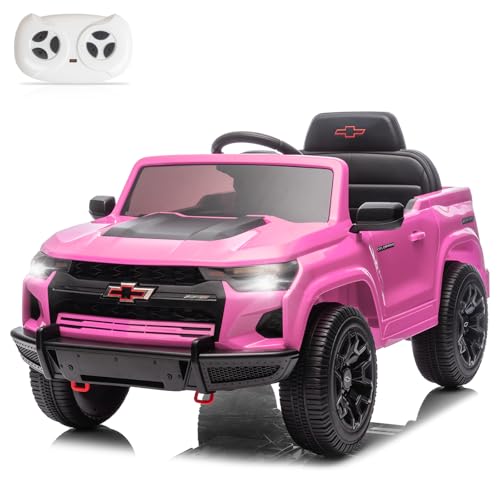
Winado 12V Licensed Chevrolet Colorado Electric Ride on Car
- ✓ Real licensed design
- ✓ Dual control options
- ✓ Great safety features
- ✕ Long initial charge
- ✕ Limited top speed
| Max User Weight | 66 lbs (30 kg) |
| Motors and Power | 2 x 25 W DC motors |
| Battery and Charging | Rechargeable battery; 8–12 hours full charge for ~1 hour of play |
| Drive Options | Pedal operation and remote control operation with 3-speed remote control |
| Safety Features | Soft start, rear wheel shock absorbers, safety belt, lockable double doors, ASTM and CPSIA certified |
| Materials and Construction | High-quality PP and Iron materials |
You’ve pinned this Winado 12V Licensed Chevrolet Colorado ride-on car to your wishlist, and you’ll notice the first time you lift its box that it’s compact but sturdy — the kind of thing you can tell will handle outdoor bumps without flinching. When you swing the door open, the dual safety locks click satisfyingly, and the soft start hum makes you realize this isn’t just a toy box on wheels.
As soon as your kid slides behind the wheel, the real Chevrolet styling hits you in the chest with those slim lines and a proper racing wheel. The two-speed switch on the dash is surprisingly intuitive, and the LED headlamps give a convincing glow as dusk settles during a driveway test.
The remote control mode feels like a safety net you can trust for those first solo jaunts around the yard.
Setup is mostly straightforward, though the 8-12 hour initial charge is a bit of a patience test. Once it’s awake, the 2x25W motors move with a confident push, and the suspension softens rough patches on pavement and grass alike.
The Bluetooth and built-in speaker on the steering wheel are cute touches, letting you sync a quick playlist for longer driveway adventures.
Durability stands out: sturdy PP and Iron construction, and the weight rating up to 66 pounds means you’re buying something that lasts through a few growth spurts. The safety belt, locked doors, and ASTM/CPSIA certifications feel like real assurances, not just marketing buzz.
It’s not a racecar, but it feels premium enough for toddler-sized laps around the cul-de-sac.
In everyday use, this car shines as a first “big kid” ride. It’s ideal for small spaces, with a kid who’s ready for controlled cruising and a parent who appreciates the remote override for peace of mind.
If you need a gift that blends authentic styling with approachable tech, this one checks a lot of boxes.
MUKIDY McLaren 765LT Kids Ride-on Car, 12V, Pink

- ✓ Realistic licensed design
- ✓ Safe, gentle startup
- ✓ Remote control option
- ✕ Long initial charge
- ✕ Limited top speed for bigger kids
| Powertrain | Two 30W motors |
| Battery & Charging | Rechargeable 12V battery; charging time 8–12 hours |
| Vehicle Dimensions (L x W x H) | 45.9 x 23.6 x 11.4 inches |
| Weight Capacity | Supports up to 66 lbs |
| Speed Range | 1.86–3.1 mph (assisted by pedal/accelerator) |
| Safety & Controls | Adjustable seat belt, lockable doors, slow start function, parent remote with 3 speeds, manual steering with steering wheel and pedals |
You’ll notice this one right away standing in the room with its glossy pink shell and real-looking McLaren badges. It doesn’t pretend to be a toy afterthought—it feels built to feel like a real ride, from the 1:1 scale silhouette to the audible engine starts when you press the button.
In my hands, the door handles feel sturdy, and the doors actually lock for a moment of pretend car realism. The seat is wide for a kid, with a practical 16″ seat and a usable harness that stays snug without tugging too tight.
Setup isn’t onerous, though the charge time is long—8 to 12 hours before first run. Once it’s ready, the 12V system powers two 30W motors smoothly, so little feet don’t have to fight to move on grass or pavement.
The speed range is gentle but confident, around 1.86 to 3.1 mph, which keeps it approachable for beginners yet still fun for a capable rider. The slow-start feature means you won’t get surprised by a sudden rush of acceleration, which is a big confidence booster for new drivers.
Parents will appreciate the remote control for emergencies, plus the three-speed option for a smoother experience as confidence grows. The car’s suspension feels forgiving on slightly uneven surfaces, and the non-slip tires help a lot on wet afternoons.
Realistic touches matter here—LED headlights, taillights, built-in music, and engine sounds actually add to the experience without becoming overwhelming. If you’re choosing this as a gift, the licensed styling and sturdy build give you a strong “wow” factor at first unboxing.
Overall, it hits a sweet spot for kids aged 3 to 6: safe, easy to drive, and genuinely engaging. It won’t replace a grown-up ride, but for backyard adventures and quick driveway laps, it feels premium without the premium price.
If you want a kid-sized McLaren that looks and feels the part, this one is a convincing pick—just set expectations about charging time and the higher weight limit that keeps it usable for a few years.
What Features Make a Battery Powered Toddler Car Stand Out?
The best battery powered toddler cars stand out due to several key features that enhance safety, usability, and enjoyment for young children.
- Safety Features: Many toddler cars come equipped with safety belts, parental remote controls, and speed limit settings. These features ensure that parents can maintain control and that children are secured while driving, minimizing the risk of accidents.
- Durable Construction: A well-built toddler car is often made from high-quality, non-toxic materials that can withstand rough play. This durability means the car can endure the wear and tear of outdoor use, making it a long-lasting investment for families.
- Realistic Design: Many battery powered toddler cars are designed to resemble real-life vehicles, such as sports cars or SUVs, complete with working headlights and sounds. This realism can enhance the child’s imaginative play, making the experience more enjoyable and engaging.
- Battery Life and Charging Time: The best models have long-lasting batteries that provide hours of playtime and quick charging capabilities. This allows for extended outdoor fun without frequent interruptions for recharging.
- Weight Capacity: Different models have varying weight limits, with some designed to accommodate larger toddlers. Choosing a car with an appropriate weight capacity ensures that it is safe and suitable as the child grows.
- Speed Options: Many toddler cars feature multiple speed settings, allowing parents to choose a pace suitable for their child’s age and experience level. This helps in providing a safe yet thrilling driving experience as children learn to operate the vehicle.
- Ease of Use: User-friendly controls, such as simple foot pedals and steering wheels, make it easy for toddlers to operate. This simplicity encourages independence and boosts confidence as they learn to maneuver the car.
- Additional Features: Some models come equipped with extras like Bluetooth speakers, MP3 connectivity, or storage compartments. These features can enhance the overall experience by allowing children to listen to music or store their toys while driving.
What Safety Features Should Parents Consider in a Battery Powered Toddler Car?
When selecting the best battery powered toddler car, parents should prioritize various safety features to ensure their child’s protection while having fun.
- Seat Belts: A reliable seat belt system is essential as it keeps the child securely seated during movement. It prevents the child from falling out or getting injured if the car encounters bumps or sudden stops.
- Parental Remote Control: Many toddler cars come with a parental remote control option, allowing parents to take control of the vehicle if necessary. This feature is particularly helpful for younger toddlers who may not yet have the skills to navigate safely on their own.
- Speed Limit Settings: Some battery powered cars offer adjustable speed settings, which can be crucial for younger children. Lower speed limits provide a safer experience, reducing the risk of accidents as toddlers learn to maneuver their vehicles.
- Stability and Weight Distribution: A well-designed car should have a low center of gravity to enhance stability and prevent tipping over. Parents should look for models that are wide and have a sturdy build to ensure that the car remains balanced while in motion.
- Soft Start Feature: This feature allows the car to accelerate gradually instead of starting abruptly, which can help prevent sudden jerks that might startle the child. A smooth start makes it easier for toddlers to manage their speed and gives them more confidence while driving.
- Durable Materials: Cars made from high-quality, durable materials are less likely to break during use, which can pose safety hazards. Parents should opt for models that are designed to withstand rough play and outdoor conditions to ensure longevity and safety.
- Built-In Safety Features: Look for cars that have built-in safety features such as automatic shut-off systems or anti-slip tires. These features can help prevent accidents by ensuring that the car stops when it is not in use or provides better grip on various surfaces.
How Important is Battery Life and Charging Time for Toddler Cars?
Charging time is equally important, as a shorter charging duration allows for quicker turnarounds between play sessions. If a toddler car takes too long to recharge, it may lead to frustration, especially if children are eager to play again soon after use.
The type of battery used, such as lead-acid or lithium-ion, influences both performance and lifespan. Lithium-ion batteries are generally lighter and charge faster, providing a better experience for young users, while lead-acid batteries may require more maintenance and have a shorter lifespan.
Safety features related to the battery, such as thermal protection and automatic shut-off mechanisms, are vital to prevent accidents. Ensuring that the battery system is secure can give parents peace of mind as their toddlers enjoy their cars.
Finally, easy access to replacement batteries is crucial to extend the life of the toddler car. If a battery fails or loses its capacity over time, being able to quickly find and install a compatible replacement can ensure that the car remains a source of joy for the child.
What Age Groups Are Best Suited for Battery Powered Toddler Cars?
Battery powered toddler cars are best suited for specific age groups, typically ranging from toddlers to preschoolers.
- 1-2 years: At this age, children are just beginning to explore their mobility and coordination skills.
- 3-4 years: Preschoolers in this age range often have better motor skills and can handle more complex controls.
- 5 years and up: Older children may seek more speed and features, making them suitable for advanced battery powered cars.
For children aged 1-2 years, battery powered cars designed for this group often feature simple push-button controls and a lower speed limit for safety. These vehicles help toddlers develop coordination as they learn to steer and navigate while being securely seated.
Children aged 3-4 years enjoy more interactive features such as foot pedals and remote control options, allowing them to engage more actively with the car. This age group also benefits from increased stability and safety measures, making it a suitable option as their physical abilities grow.
When it comes to children aged 5 years and older, battery powered cars may offer more advanced capabilities, such as faster speeds and additional features like music, lights, and upgraded battery life. These cars cater to their desire for more excitement and adventure, providing a thrilling experience while still ensuring safety with appropriate design and controls.
What Are the Recommended Age Ranges for Different Models?
The recommended age ranges for different models of battery-powered toddler cars vary based on size, speed, and safety features.
- 12V Models: Suitable for toddlers aged 3 to 5 years, these cars are often designed with higher speeds and more robust construction.
- 6V Models: Best for children aged 2 to 4 years, these cars provide a safer, slower ride suitable for younger toddlers.
- Ride-On Toys: Ideal for kids aged 1 to 3 years, these toys often feature simple push-and-go mechanisms, making them easy for toddlers to operate.
- Multi-Function Vehicles: Designed for ages 3 to 6 years, these models can transition from manual to battery-operated modes, offering versatility as the child grows.
12V Models: These cars typically reach higher speeds of up to 5 mph and can accommodate larger children, giving them a more thrilling ride. They often come with various features like working headlights, music, and even remote control options for parental supervision.
6V Models: These are slower and more stable, usually reaching speeds around 2-3 mph, making them a safer option for younger toddlers. They are often lightweight and easier for younger children to handle, promoting safe play without overwhelming them.
Ride-On Toys: Designed for the youngest toddlers, these toys usually do not have motors but allow children to push themselves along, helping them develop coordination and balance. They can be used both indoors and outdoors, encouraging physical activity while being safe for little ones.
Multi-Function Vehicles: These versatile cars can adapt as your child grows, starting as a simple push toy and transitioning into a battery-powered ride-on. They often include features that cater to different developmental stages, ensuring that they remain engaging over time.
What Are the Most Popular Battery Powered Toddler Car Brands?
The most popular battery-powered toddler car brands include:
- Power Wheels: Power Wheels is a leading brand known for its durable and safe vehicles designed for young children. They offer a wide variety of car models that mimic real-life vehicles, providing an authentic driving experience while prioritizing safety features like speed limits and parental controls.
- Little Tikes: Little Tikes is another prominent brand recognized for its sturdy and colorful designs, appealing to toddlers’ interests. Their battery-powered cars are often equipped with fun features such as working lights and sounds, promoting imaginative play and outdoor activity.
- Kid Trax: Kid Trax specializes in a range of battery-powered ride-on toys that focus on realistic design and functionality. They incorporate innovative features like Bluetooth connectivity and rechargeable batteries, ensuring that kids can enjoy extended playtime while parents can easily manage and monitor the vehicles.
- Mercedes-Benz: Mercedes-Benz offers luxury battery-powered cars tailored for toddlers, combining brand prestige with child-friendly designs. These cars often include details like realistic styling and high-quality materials, allowing children to emulate their favorite luxury car experiences safely.
- Best Choice Products: Best Choice Products provides a variety of affordable yet reliable battery-powered toddler cars with unique designs. Their models often feature built-in music players and remote control options for parents, making them a versatile choice for families looking for both fun and safety.
How Do Brand Reputations Affect the Quality of Battery Powered Toddler Cars?
Brand reputation plays a crucial role in determining the quality of battery-powered toddler cars. Established brands often have a track record that parents rely on when making purchasing decisions. Here are key factors that illustrate how brand reputations can impact product quality:
-
Quality Assurance: Reputable brands typically adhere to stringent safety and quality standards. They invest in research and development to ensure their products are safe for use by young children, minimizing risks of defects and malfunctions.
-
Customer Feedback: Brands with strong reputations frequently gather and analyze customer feedback. This enables them to address common concerns, improve design, and enhance the overall user experience. Parents often find reliable reviews and testimonials for well-regarded brands.
-
Warranty and Support: Established manufacturers usually offer comprehensive warranties and customer support. This not only reflects confidence in their products but also provides reassurance to parents regarding the longevity and reliability of the car.
-
Innovative Features: Reputed brands are more likely to include advanced safety features, such as seat belts, parental controls, and durable materials. These innovations cater to the needs and preferences of parents looking for quality options in toddler cars.
Choosing a battery-powered toddler car from a reputable brand ensures parents get a reliable, safe, and high-quality product that enhances their child’s playtime experience.
What Are the Key Benefits of Using a Battery Powered Toddler Car?
The key benefits of using a battery-powered toddler car include safety, ease of use, and developmental advantages.
- Safety: Battery-powered toddler cars are designed with safety features such as seat belts, low speed limits, and sturdy construction. These elements help prevent accidents and ensure that children can enjoy their ride without significant risks.
- Ease of Use: These cars are typically simple to operate, often featuring one-button start and straightforward controls. This user-friendly design allows young children to drive with minimal assistance, promoting independence and confidence.
- Developmental Benefits: Riding in a battery-powered car can enhance a toddler’s motor skills and spatial awareness. As they steer and navigate their environment, children engage in physical activity and develop coordination, all while having fun.
- Entertainment Value: Many battery-powered toddler cars come equipped with fun features like music, lights, and realistic sounds, making them enjoyable for children. This entertainment factor keeps toddlers engaged for longer periods, contributing to imaginative play.
- Parental Control: Some models offer remote control options for parents, allowing them to oversee their child’s driving experience. This feature provides an extra layer of supervision and can be particularly useful for younger toddlers who are still mastering their driving skills.
- Variety of Designs: Battery-powered toddler cars come in various designs and styles, from sports cars to trucks, appealing to different interests. This variety allows parents to choose a car that matches their child’s personality, making the experience more enjoyable for the little ones.
How Can a Battery Powered Car Enhance a Toddler’s Development?
Cognitive skills are improved as toddlers encounter various scenarios while driving, requiring them to think critically about their next moves, which enhances problem-solving skills and decision-making abilities.
Social interaction is encouraged when toddlers play together, whether sharing their cars or racing, which nurtures their communication skills and teaches them about sharing and cooperation.
Imaginative play is sparked by the freedom a battery-powered car provides, allowing toddlers to create narratives and engage in various roles, significantly contributing to their creative thinking and expression.
Understanding cause and effect is a key developmental milestone, and operating a battery-powered car allows toddlers to learn that pressing the pedal makes the car go, thereby connecting their actions to outcomes, enhancing their learning process.
What Are Common Concerns or Drawbacks of Battery Powered Toddler Cars?
Common concerns or drawbacks of battery powered toddler cars include:
- Battery Life: Many battery powered toddler cars have limited battery life, often lasting only 1-3 hours on a full charge. This can lead to interruptions during playtime, requiring downtime for recharging, which can be frustrating for both kids and parents.
- Speed Limitations: These cars typically have speed restrictions to ensure safety for young users. While this is a safety feature, it can also limit the excitement for older toddlers who may desire a faster ride, resulting in a potential loss of interest.
- Weight Capacity: Most toddler cars have a specified weight limit, which can restrict their use as the child grows. If the car cannot support the child’s weight, parents might need to purchase a new vehicle sooner than anticipated, leading to additional expenses.
- Durability: Some battery powered toddler cars may not be as durable as traditional ride-on toys. Factors like rough terrain, bumps, and collisions can lead to wear and tear, and parts may need replacement, which can be a hassle for parents.
- Charging Time: The time required to fully charge the battery can vary, often taking several hours. This means that after a fun play session, kids may need to wait a long time before they can use their car again, which can be inconvenient.
- Maintenance: Battery powered cars require regular maintenance to ensure they function properly. This includes checking the battery, ensuring the wheels and gears are in good condition, and occasionally troubleshooting any electrical issues that may arise.
- Safety Concerns: There are safety concerns related to the operation of battery powered cars, including potential accidents if children drive them unsupervised. Additionally, the risk of tipping over or crashing into obstacles can pose dangers, necessitating close adult supervision during use.
How Can Parents Mitigate the Risks Associated with Battery Powered Cars?
Parents can take several proactive steps to mitigate the risks associated with battery-powered cars for toddlers.
- Supervision: Always supervise your child while they are using the battery-powered car to ensure they are safe and following the rules of use.
- Safety Gear: Equip your child with appropriate safety gear, such as helmets and knee pads, to protect them from potential falls or accidents.
- Safe Driving Area: Designate a safe, flat, and open area for your child to drive the car, away from traffic and obstacles that could cause accidents.
- Age Appropriateness: Choose a battery-powered car that is suitable for your child’s age and size, ensuring it has features that match their developmental stage.
- Maintenance Checks: Regularly inspect the battery-powered car for any signs of wear and tear, ensuring that brakes, wheels, and electrical components are functioning properly.
- Setting Boundaries: Establish clear rules about where and how the car can be used, including speed limits and the number of children allowed to ride at once.
- Educating Your Child: Teach your child about safe driving practices, including how to stop, turn, and be aware of their surroundings while driving.
Always supervise your child while they are using the battery-powered car to ensure they are safe and following the rules of use. This allows you to intervene immediately if they are about to make a dangerous move or if they encounter a hazard.
Equip your child with appropriate safety gear, such as helmets and knee pads, to protect them from potential falls or accidents. This gear can significantly reduce the risk of injury during playtime.
Designate a safe, flat, and open area for your child to drive the car, away from traffic and obstacles that could cause accidents. This minimizes the risk of collisions and allows for a more enjoyable driving experience.
Choose a battery-powered car that is suitable for your child’s age and size, ensuring it has features that match their developmental stage. A car that is too large or too fast may pose additional risks.
Regularly inspect the battery-powered car for any signs of wear and tear, ensuring that brakes, wheels, and electrical components are functioning properly. Proper maintenance can prevent malfunctions that could lead to accidents.
Establish clear rules about where and how the car can be used, including speed limits and the number of children allowed to ride at once. Setting these boundaries helps ensure that your child understands the importance of safety while playing.
Teach your child about safe driving practices, including how to stop, turn, and be aware of their surroundings while driving. This education empowers them to make safer choices while enjoying their battery-powered car.
What Is the Average Cost of Battery Powered Toddler Cars?
Battery powered toddler cars are defined as small, motorized vehicles designed for young children, typically aged 1 to 5 years old, which are powered by rechargeable batteries. These vehicles mimic real cars in appearance and function, allowing toddlers to drive at low speeds, promoting motor skills and imaginative play.
According to the American Academy of Pediatrics, such toys can help develop coordination and encourage outdoor play, which is vital for physical and social development in early childhood.
Key aspects of battery powered toddler cars include their safety features, such as speed limitations (usually around 2 to 5 mph), seat belts, and sturdy construction to withstand the rough play of toddlers. They often come with rechargeable batteries that can provide several hours of playtime on a single charge. Additionally, many models are equipped with features such as working headlights, sound effects, and Bluetooth connectivity for music, enhancing the play experience.
The average cost of these vehicles can range significantly, typically between $150 to $500, depending on the brand, features, and materials used. Budget-friendly options may offer basic functionalities, whereas high-end models may include advanced features, higher weight capacities, and more realistic designs. For instance, a popular model like the Power Wheels Dune Racer often retails around $300, while more luxurious options like the Mercedes-Benz G63 ride-on can exceed $400.
The impact of battery powered toddler cars extends beyond mere entertainment; they can foster a sense of independence and responsibility in young children. This type of play encourages outdoor activity, which is increasingly important in an era where screen time is prevalent. Engaging in outdoor play with these vehicles can help children develop their social skills as they often share the experience with peers or family members.
Benefits of battery powered toddler cars include promoting physical activity, enhancing motor skills, and providing an avenue for social interaction. They also encourage imaginative play, as children often role-play different scenarios while driving their cars. Furthermore, these vehicles can serve as a tool for parents to engage with their children, creating shared moments of joy and bonding.
Best practices for selecting a battery powered toddler car include prioritizing safety features, checking for age appropriateness, and ensuring the vehicle is durable and made from non-toxic materials. Parents should also consider the vehicle’s maximum weight limit and battery life to ensure it meets their child’s needs. Regular maintenance, such as checking the battery and ensuring the vehicle is clean and in good working order, can also extend its lifespan and ensure safe play.
What Factors Influence the Price of Battery Powered Toddler Cars?
Several factors influence the price of battery powered toddler cars:
- Brand Reputation: Established brands often charge more due to their reputation for quality and safety. Consumers tend to trust well-known brands, which can lead to higher demand and pricing.
- Battery Quality: The type and capacity of the battery significantly affect the price. Higher quality batteries provide longer run times and better performance, which can justify a higher cost.
- Features and Functionality: Cars equipped with additional features such as remote control, sound systems, or safety features like seat belts tend to be more expensive. These features enhance the user experience and safety, appealing to parents looking for value.
- Construction Materials: The materials used in the car’s construction can influence the price. Cars made from sturdy, high-quality materials are generally more durable and thus priced higher than those made from cheaper, less durable materials.
- Design and Aesthetics: Unique designs or licensed themes (like popular cartoon characters) can also drive prices up. Parents may be willing to pay more for a car that appeals to their child’s interests and preferences.
- Size and Weight Capacity: Larger cars that accommodate a higher weight limit typically cost more. These cars are designed for longer use as children grow, providing better long-term value for families.
- Market Demand: Seasonal trends and consumer demand can influence pricing. During peak seasons, such as holidays, prices may rise due to increased demand for gifts.