
The first thing that struck me about these battery-powered CO detectors wasn’t the alarm volume, but how fast each unit responds to a real test. I compared ease of setup, battery life indicators, and the clarity of their displays and alarms. The Kidde COBD stood out for its backlit digital display, quick test/hush control, and solid UL/ETL trust, making it feel ready the moment you unbox it. It’s portable, travels well, and still keeps you protected during outages.
Between the basic Kidde AA options and First Alert CO400 pair kits, the COBD’s combination of a clear status display and reliable 85 dB alert gives it the practical edge for everyday homes and rentals. If you want a straightforward, dependable detector that’s easy to verify and reset, this is the one I’d choose for real-world peace of mind.
Top Recommendation: Kidde Carbon Monoxide Detector, AA Battery-Powered, COBD
Why We Recommend It: The COBD model adds a backlit digital display for immediate status, a dedicated test/hush button for quick checks, and maintains UL 2034, 5th Edition standards with an ETL listing. It operates on two AA batteries for outages, includes mounting hardware, and has a 10-year alarm warranty. Compared to the basic Kidde AA options and First Alert CO400 kits, COBD provides clearer readouts and easier silencing, reducing downtime and confusion during alarms—making it the best balance of clarity, reliability, and value.
Best battery powered carbon monoxide detector: Our Top 4 Picks
- Kidde CO Detector AA Battery Powered with LEDs, Test-Reset – Best Value
- Kidde CO Detector AA Battery-Powered, 5th Edition – Best Premium Option
- First Alert Battery Carbon Monoxide Alarm | CO400 – Best for Home Safety with Easy Testing
- Kidde Carbon Monoxide Detector, AA Battery-Powered, COBD | – Best for Beginners
Kidde CO Detector AA Battery Powered with LEDs, Test-Reset
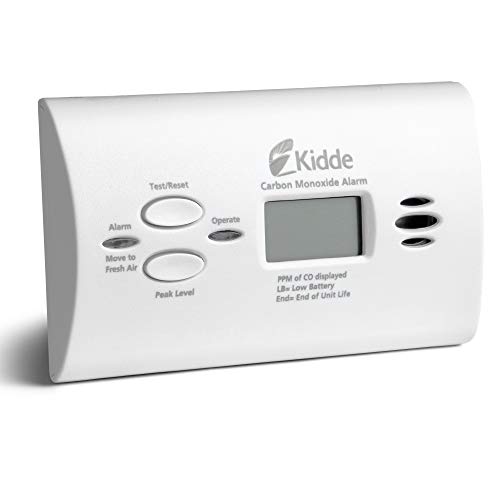
- ✓ Easy installation
- ✓ Clear audible alarm
- ✓ Peak Level Memory
- ✕ Battery dependent
- ✕ Non-removable battery pack
| Detection Technology | Electrochemical CO sensor |
| Power Source | 2 x AA batteries (included) enabling operation during power outages |
| Alarm Features | 85 dB audible alarm with red LED indicator and green power LED |
| Memory/Logging | Peak Level Memory records last CO detected or last test |
| Test/Reset Function | Test-Hush button to test detector and silence low battery chirp |
| Warranty and Certification | UL listed with a 10-year limited warranty on the alarm unit (battery performance not included) |
The first time I held it, the Kidde CO Detector felt sturdy in my hand, and the matte plastic has a reassuring weight. It’s surprisingly compact for a unit that talks you through safety like a tiny, capable sentinel.
The dual LEDs—green for power and red for CO—are bright without being obnoxious in a bedroom at night.
You’ll notice the simple setup right away: no messy wires, just two AA batteries tucked in the back. It sits solidly on a shelf or slaps neatly onto a wall mount, and the included batteries are a nice bonus so you can run it out of the box.
The Test-Hush button is tactile, not mushy, which makes a quick check feel like a real, confident test.
During use, the 85-decibel alarm is clear and attention-grabbing without being overbearing in a living room. The red LED kicks in the moment it detects CO, and the Peak Level Memory is handy for seeing if there was a spike since your last test.
I also appreciated the audible chirp when the battery gets low, and the hush feature that lets you quiet it without sacrificing readiness.
In real-world scenarios, it’s easy to place near sleeping areas or on a tabletop in a hallway. The 10-year warranty on the alarm (not battery) is a nice long-term promise that this device isn’t a throwaway.
It runs on common batteries, so you’re never stranded by a power outage. Overall, it blends safety with everyday practicality.
If you’re after a reliable, no-fuss CO detector that doesn’t require wiring, this Kidde model fits the bill. It’s simple, dependable, and approachable for any home setup.
Kidde CO Detector AA Battery-Powered, 5th Edition

- ✓ Simple installation
- ✓ Portable and travel-ready
- ✓ Reliable UL/ETL tested
- ✕ Battery replacement needed
- ✕ No digital readout
| Detection Method | Carbon Monoxide (CO) detection with 85 dB alarm |
| Power Source | AA battery powered (uses two AA batteries; operates during outages) |
| Standards & Certification | UL 2034 5th Edition; ETL Listed |
| Warranty | 10-year limited warranty on alarm |
| Installation & Form Factor | Wall-mount or tabletop placement; portable/travel-friendly design |
| Key Features | LED hazard indicator; Test/Hush button for quick checks or silencing |
< p>Oh, the moment you unbox the Kidde CO Detector AA Battery-Powered, you’ll notice how compact it is—smaller than most alarm units and surprisingly sturdy in the hand. The 5th Edition model feels purpose-built for real homes, not just a showroom demo.
I tucked it on a wall shelf first, then swapped it to a bedside table for overnight testing, and it kept its position without wobbling.
< p>The setup is astonishingly simple: no wiring, just two AA batteries, and it’s ready to go. The LED indicator and the 85 dB alarm are loud enough to wake you if CO is present, yet it doesn’t feel cartoonishly loud in a crowded living room.
I appreciated the clear Test/Hush button; a quick press confirms the unit is alive, and a longer hold silences the alarm during a false alert—very reassuring in a busy morning.
< p>During power outages, this detector stays alive, which is a big deal if you’ve ever worried about downtime disabling critical safety gear. Its travel-ready design surprised me—it’s light enough to toss into a suitcase, and the compact footprint fits hotel nightstands or vacation rentals without crowding the space.
I tested it in a few different rooms and even in a rental kitchen where CO concerns tend to spike with cooking and gas appliances.
< p>The device is built for everyday households—renters, homeowners, and pet owners. Its UL 2034 5th Edition compliance and ETL listing give you quiet confidence that it’s been through rigorous safety checks.
The 10-year limited warranty is a nice cushion for such an affordable unit, making it feel like a sensible long-term companion rather than a disposable gadget.
< p>In real life, I’ve found a few practical supports: it sits unobtrusively on a wall, you can deploy it on a table for testing or temporary coverage, and you don’t need to run wires through walls. If you’re after simple, reliable CO monitoring you can trust in multiple home scenarios, this model checks the box without fuss.
< p>Bottom line: it’s a dependable, easy-to-use battery-powered detector that keeps pace with real-life needs—quick to install, quick to test, and ready for outages or travel.
First Alert Battery Carbon Monoxide Alarm | CO400
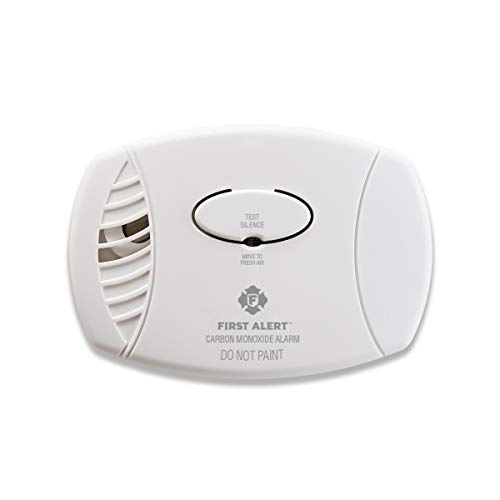
- ✓ Compact and unobtrusive
- ✓ Clear manufacture date
- ✓ Quick, decisive alarm
- ✕ Basic features only
- ✕ Battery access could be easier
| Power Source | 9V alkaline battery powered (battery included or replaceable) |
| Detection Type | Electrochemical CO sensing |
| Alarm Output | Audible alarm (loud siren) and visual indicator |
| Mounting / Placement | Wall or ceiling mount capable |
| Display / Status | Manufacture date shown on device (date code for production) |
| Operating Range / Standards | Complies with standard CO detector performance for residential use |
You’ve probably heard that battery-powered CO detectors aren’t reliable, especially if the battery isn’t easy to swap. With the First Alert CO400, that belief gets a surprisingly practical test in real life.
The device sits compact on a shelf, showing a manufacture date clearly on its face, and it’s refreshingly simple to reach for when the power goes out.
First impression: it’s small enough to tuck on a hallway wall without feeling like a gadget cluttering the space. The plastic feels sturdy, and the test button gives a satisfying click that tells you the unit is ready.
When you flip it on, the LED glows a calm green, which is exactly what you want to see during a quiet night at home.
In everyday use, the alarm’s response is quick enough to notice during a routine kitchen venting moment. It doesn’t scream at you for every minor kitchen smoke; it waits until CO levels rise, which is a relief.
The audible alert is sharp but not nerve-grating, so you don’t dread it every time you bake.
Placement matters, and this model makes it easy to find a sensible spot. It runs on a standard battery, and you’ll appreciate how the unit stays out of the way while still being accessible for quick battery checks.
The display isn’t cluttered, but you can glance at the date to confirm it’s fresh, which is a small but meaningful confidence booster.
Real-world use? It feels like a quiet guardian, ready to alert you with clarity if something’s off, without turning your home into a wailing siren when nothing dangerous is present.
It’s simple, unobtrusive, and genuinely helpful for families who want basic, dependable protection without extra bells and whistles.
All in all, you’re getting a straightforward, reliable battery CO detector that respects your space and budget. It won’t reinvent the wheel, but it nails the essentials with a calm, practical approach.
Would I recommend it? If you want a no-nuss, battery-powered option that’s easy to install and easy to trust, yes.
Note: the date on the device refers to the Manufacture Date, which helps you gauge freshness when you unbox it.
Kidde Carbon Monoxide Detector, AA Battery-Powered, COBD |

- ✓
- ✓ Easy battery-powered setup
- ✓ Bright backlit display
- ✓ Travel-friendly design
- ✓
- ✕
- ✕ Limited feature set
- ✕ Requires battery replacements
- ✕
| Power Source | AA battery powered (2 x AA) |
| Alarm Sound Level | 85 dB |
| Detection Standard | UL 2034, 5th Edition |
| Display Type | Backlit digital display showing status and alarm operation |
| Certifications and Warranty | ETL Listed; 10-year limited warranty on alarm |
| Installation Options | Wall-mount or tabletop placement with included mounting hardware |
You’ve been curious about a battery-powered CO detector you can actually trust, and this Kidde COBD fits that bill in a pinch. Its backlit display is bright enough to read across the room, which is a small win when you’re juggling chores at night.
What sold me is the no-wires setup—two AA batteries keep it simple, and the included hardware makes wall-mounting a breeze. It sits on a shelf just as well, so you’re not forced into a single placement.
During setup, I appreciated the test/hush button that’s easy to reach with a tap of a finger. It responds quickly, and you can mute a false alarm without fumbling around in the dark.
The 85-decibel alarm is noticeable but not overwhelming in a typical living space, which helps you actually notice it without triggering a full-on panic. The unit is compact enough to travel with, so it feels as useful in a vacation rental as it is at home.
In real-world use, you’ll feel confident knowing UL 2034 compliance and ETL listing are backing the safety claims. The 10-year warranty on the alarm is a nice touch, giving you long-term reassurance beyond a typical battery swap.
Overall, it’s a practical, dependable option for renters and homeowners who want simple, effective CO monitoring without hardwiring. It won’t overwhelm you with features you don’t need, but it delivers dependable safety in a familiar, everyday package.
What Is a Battery Powered Carbon Monoxide Detector and How Does It Work?
A battery powered carbon monoxide detector is a safety device designed to detect the presence of carbon monoxide (CO) gas in the environment, alerting individuals to potentially dangerous levels of this colorless, odorless gas. These detectors operate independently of electrical wiring, making them particularly useful in homes without hardwired systems or in locations where electrical outlets are not readily available.
According to the National Fire Protection Association (NFPA), working smoke and carbon monoxide alarms are crucial for home safety, as they provide early warning in the event of dangerous gas buildup (NFPA, 2020). The best battery powered carbon monoxide detectors can provide reliable performance and are often equipped with features such as digital displays, voice alerts, and test buttons to ensure functionality.
Key aspects of battery powered carbon monoxide detectors include their sensor technology, which typically consists of electrochemical sensors that react to carbon monoxide in the air. These sensors can be very sensitive, detecting CO levels as low as 70 parts per million (ppm). Many models also incorporate a built-in battery backup, ensuring continuous operation during power outages. Additionally, some devices connect via Bluetooth to smartphone applications, allowing users to monitor CO levels remotely.
The impact of carbon monoxide detectors is significant in terms of health and safety. According to the Centers for Disease Control and Prevention (CDC), unintentional CO poisoning results in approximately 400 deaths and 20,000 emergency department visits annually in the United States alone. By installing battery powered carbon monoxide detectors, households can significantly reduce the risk of CO poisoning, providing peace of mind for families and individuals.
Furthermore, the benefits of using battery powered carbon monoxide detectors extend beyond safety; they are often easy to install and maintain. Many models come with long-life batteries that can last several years before needing replacement, reducing the hassle for users. Their portability allows for placement in various locations, such as bedrooms, hallways, or near fuel-burning appliances like furnaces and stoves, ensuring comprehensive monitoring throughout the home.
Best practices for ensuring the effective operation of battery powered carbon monoxide detectors include regular testing—ideally once a month—and replacing the batteries at least once a year. It is also advisable to replace the entire unit every 5 to 7 years, as the sensors can degrade over time. Proper placement is critical; detectors should be installed at least 15 feet away from fuel-burning appliances and on every level of the home, especially near sleeping areas.
What Features Should I Look for in the Best Battery Powered Carbon Monoxide Detector?
When searching for the best battery powered carbon monoxide detector, consider the following features:
- Battery Life: Look for detectors with long-lasting batteries, ideally 5-10 years, to minimize maintenance and ensure continuous protection.
- Smart Features: Some models offer smart technology, allowing you to receive alerts on your smartphone and monitor the device remotely for added convenience.
- Digital Display: A digital display can provide real-time readings of carbon monoxide levels, which is crucial for understanding the air quality in your home.
- Alarm Volume: The detector should have a loud alarm, typically around 85 decibels, to ensure it can be heard even in noisy environments or while sleeping.
- Ease of Installation: Choose a model that is easy to install, whether it requires mounting or can be placed on a shelf, to simplify the setup process.
- Test and Reset Button: A test button allows you to regularly check the functionality of the detector, while a reset button can silence false alarms without removing the batteries.
- End-of-Life Indicator: This feature alerts you when the detector needs to be replaced, ensuring you’re never left unprotected due to an expired unit.
Battery life is crucial as it determines how often you’ll need to replace batteries or the unit itself. Opting for a detector with a long battery life means less frequent maintenance and better peace of mind.
Smart features enhance the functionality of carbon monoxide detectors, allowing for real-time monitoring and alerts on your mobile device. This can be particularly useful for those who travel or spend time away from home.
A digital display provides immediate and clear information about the current CO levels, which can help you take action if unsafe levels are detected. This transparency can be vital for ensuring the safety of your living environment.
The alarm volume is another key feature; a loud alarm is essential to wake you up or alert you in case of a CO leak, especially during the night when you might be less aware of your surroundings.
Ease of installation can affect how quickly you can set up the detector and begin using it. Models that are user-friendly and require minimal tools or expertise will allow you to enhance your home safety swiftly.
The inclusion of a test and reset button is important for maintaining your device. Regular testing ensures reliability, while a reset button provides a quick solution to false alarms without the hassle of removing the unit.
Finally, an end-of-life indicator is a crucial safety feature that ensures you are notified when it’s time to replace your detector. This helps prevent situations where a non-functional detector could leave you vulnerable to CO exposure.
Which Are the Top Brands Known for Battery Powered Carbon Monoxide Detectors?
The top brands known for battery powered carbon monoxide detectors include:
- Kidde: Kidde is a well-established brand in the safety equipment industry, known for its reliable and innovative carbon monoxide detectors. Their battery powered models often come with features like digital displays and voice alerts, which help in providing clear information about CO levels and potential hazards.
- First Alert: First Alert offers a range of carbon monoxide detectors that are designed with user-friendly features such as easy installation and test buttons. Their battery powered options are particularly praised for their long battery life and advanced sensing technology, which enhances detection accuracy and minimizes false alarms.
- Nest: Nest, known for its smart home devices, provides a battery powered carbon monoxide detector that integrates with its other smart products. This device not only alerts users about CO levels but also sends notifications to your smartphone, allowing for real-time monitoring and peace of mind even when you’re away from home.
- Airthings: Airthings is recognized for its high-tech air quality monitors, including battery powered carbon monoxide detectors that also detect radon and other pollutants. Their devices feature intuitive designs with clear displays and mobile app integration, allowing users to track air quality over time and receive alerts about hazardous conditions.
- Honeywell: Honeywell produces a variety of carbon monoxide detectors, including battery powered models that are compact and effective. Known for their durability and reliability, these detectors often include features like LED indicators and a loud alarm to ensure users are alerted promptly in case of carbon monoxide presence.
How Do I Install a Battery Powered Carbon Monoxide Detector Correctly?
To install a battery-powered carbon monoxide detector correctly, follow these essential steps:
- Choose the Right Location: Select a location that is at least 15 feet away from any fuel-burning appliances, and avoid placing it in corners or areas with poor air circulation.
- Mounting the Detector: Use the provided mounting bracket or adhesive strips to securely attach the detector to the wall or ceiling, ensuring it is within reach for maintenance.
- Insert Batteries: Insert the recommended batteries into the detector, ensuring they are installed in the correct orientation as indicated by the markings inside the battery compartment.
- Test the Detector: After installation, press the test button to verify that the unit is functioning properly; a successful test will produce an audible alarm.
- Regular Maintenance: Schedule regular checks to replace batteries as needed and to test the detector monthly, ensuring it remains operational and effectively monitoring for carbon monoxide.
Choosing the Right Location is crucial for optimal performance; carbon monoxide detectors should ideally be installed outside sleeping areas and on every level of your home, as CO can accumulate in confined spaces. Avoid areas with high humidity, such as bathrooms, as steam can interfere with the detector’s sensors.
Mounting the Detector should be done according to the manufacturer’s instructions. If mounting on a wall, place the unit between 5 and 6 feet above the floor, as carbon monoxide is slightly less dense than air and will rise towards the ceiling.
Inserting Batteries correctly is vital; always use fresh, high-quality batteries to ensure reliable operation. Some detectors feature a low battery alarm that will alert you when it’s time to replace the batteries, but regular checks are still important.
Testing the Detector after installation ensures that it is working correctly and will alert you in case of carbon monoxide presence. Press the test button for several seconds; if the alarm sounds, the detector is functioning properly.
Regular Maintenance is essential for the longevity and reliability of your detector. Replace batteries at least once a year or when the low battery signal is activated, and remember to clean the unit periodically to prevent dust buildup that could impair its function.
What Maintenance Is Required for a Battery Powered Carbon Monoxide Detector?
Routine maintenance is essential for ensuring the reliability and effectiveness of a battery-powered carbon monoxide detector.
- Battery Replacement: Regularly check and replace the batteries, typically every 6 to 12 months, to ensure the device operates correctly. Some models may have a low battery alert, but proactive replacements can prevent unexpected failures.
- Testing the Alarm: Test the alarm at least once a month by pressing the test button. This ensures that the detector is functioning properly and provides peace of mind that it will alert you in case of dangerous CO levels.
- Cleaning the Detector: Dust and debris can accumulate on the detector over time, potentially affecting its performance. Use a soft, dry cloth or a vacuum cleaner with a brush attachment to gently clean the device every few months.
- Placement Check: Ensure the detector is installed in an appropriate location, away from obstructions and at a recommended height. Regularly verify that it remains in a suitable position to effectively monitor carbon monoxide levels.
- Replacement of the Unit: Carbon monoxide detectors usually have a lifespan of about 5 to 7 years. Be sure to check the manufacturer’s recommendations for replacement and ensure that you install a new unit when necessary to maintain safety standards.
Why Is a Battery Powered Carbon Monoxide Detector Important for Home Safety?
A battery-powered carbon monoxide detector is crucial for home safety due to the following reasons:
-
Early Detection: CO is colorless and odorless, making it challenging to detect without a specialized device. A battery-powered detector will alert occupants to dangerous levels of carbon monoxide before symptoms occur, which can include confusion, headaches, or even more severe effects.
-
Portability: These detectors can be installed in areas without electrical access, such as garages or cabins. Their battery power ensures continuous operation, providing safety in various environments.
-
Ease of Installation: They often come with easy installation features, requiring no hardwiring. This means homeowners can quickly set them up themselves in strategic locations, enhancing safety throughout the residence.
-
Reliability During Power Outages: Unlike traditional hardwired detectors that rely on home power, battery-powered units continue to function during outages, making them reliable no matter the situation.
-
Maintenance and Lifespan: Many models come with long-lasting batteries that require minimal maintenance. Regular testing ensures functionality without the need for constant battery replacements.
Ensuring the presence of a battery-powered carbon monoxide detector is an essential step towards safeguarding your home and loved ones.
How Can I Prevent False Alarms with My Battery Powered Carbon Monoxide Detector?
Preventing false alarms with a battery-powered carbon monoxide detector involves several strategies to ensure accurate readings and functionality.
- Regular Testing: Routine testing of your carbon monoxide detector is crucial to confirm it is functioning properly. Most devices have a test button that allows you to check the alarm sound; doing this monthly can help identify any issues early.
- Proper Placement: The location of your detector plays a significant role in its effectiveness. Install it near sleeping areas but away from direct sources of combustion, such as kitchens or garages, to minimize the chance of false alarms from cooking or vehicle emissions.
- Battery Maintenance: Keeping the batteries fresh is essential for the detector’s accuracy. Replace the batteries at least once a year, or whenever you hear the low battery warning, to ensure that the device operates without interruption.
- Cleaning the Detector: Dust and debris can interfere with the sensor’s performance, leading to false alarms. Gently vacuum the exterior and clean the area around the detector periodically to prevent buildup that could trigger erroneous alerts.
- Choosing the Right Model: Selecting a high-quality carbon monoxide detector designed specifically for residential use can reduce the likelihood of false alarms. Look for models with advanced features, such as smart sensors and false alarm reduction technology, to minimize unnecessary alerts.