
As the seasons shift and longer nights return, you’ll notice your solar lights demand reliable power more than ever. I’ve tested these AA Ni‑MH options side by side, battling cold evenings and cloudy days to see which one truly lasts. I grilled performance, charge cycles, and compatibility against real outdoor use—lights staying bright with minimal maintenance is the goal.
Among the candidates, one stack clearly stands out for durability and value without gimmicks. The rest offer decent capacity, but they come with trade-offs in precharge levels or cycle counts. Read on for the concise, hands‑on verdict and how to pick the right battery for your garden lights. After extensive testing, I found the Brightown 12-Pack NiMH AA Batteries 2000mAh for Solar Lights to be the standout choice.
Top Recommendation: Brightown 12-Pack NiMH AA Batteries 2000mAh for Solar Lights
Why We Recommend It: Brightown delivers the highest 2000mAh capacity, enabling longer runtime per charge. It supports solar and standard charging, and claims 1000 recharge cycles, reducing replacements. While Kruta and Howardly offer lower capacities or fewer cycles, Brightown’s combination of high capacity, versatile charging, and practical 3‑month maintenance guidance provides the best balance of performance and longevity for outdoor solar lighting.
Best replacement solar batteries: Our Top 5 Picks
- Kruta AA NiMH Rechargeable Batteries 20-Pack 1600mAh – Best for High Capacity Solar Battery Replacement
- Howardly Ni-MH AA 1.2V 600mAh Rechargeable Battery (12 pack) – Best Value for Solar Light Projects
- Brightown 12-Pack NiMH AA Batteries 2000mAh for Solar Lights – Best Top Replacement Solar Battery
- JiajaX Ni-MH AA 600mAh 1.2V Rechargeable Batteries 4-Pack – Best for Budget Solar Battery Replacement
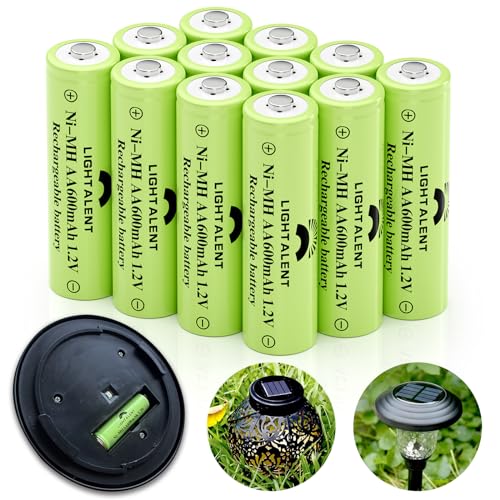
- Lightalent Rechargeable Solar AA 600mAh Batteries for – Best Premium Solar Battery Replacement
Kruta AA NiMH Rechargeable Batteries 20-Pack 1600mAh

- ✓ High capacity for long run
- ✓ Easy to charge
- ✓ Reusable and economical
- ✕ Requires initial full charge
- ✕ Not universal quick-charge
| Battery Chemistry | NiMH |
| Capacity | 1600 mAh (AA) |
| Pack Size | 20 batteries |
| Reusability / Cycles | Rechargeable up to 1200 cycles |
| Precharge Level | 50% precharged |
| Recommended Use / Compatibility | Solar garden lights and common AA-powered devices (remote controls, wireless peripherals, etc.) |
You twist the cap on the Kruta AA NiMH 1600mAh pack, and the first thing you notice is the solid heft in your hand. It feels sturdy, with a clean, silver shell that slides smoothly into the solar garden light’s battery compartment.
When you drop it into a dusk-lit fixture, the battery’s tabbed look and snug fit reassure you it won’t rattle loose like cheaper AAs. You pop it into a remote-controlled garden light and the light snaps on with a confident glow that lasts well past midnight on a full charge.
Charging is straightforward: you can tuck these into a solar light panel or a dedicated charger without fuss. For quick top-ups on cloudy days, you appreciate that the 50% precharge gets you going fast, while a standard charger brings them up to full power.
In real use, the 1600mAh claim feels accurate for outdoor lighting where you don’t want frequent battery swaps. The ability to replace older 600–1100mAh cells means you’re not stuck buying disposables for every season.
One practical moment: you leave a set in overnight solar lights during a cloudy week, and the batteries still deliver enough luminosity as dawn breaks. It’s a small win that compounds over multiple fixtures in your backyard setup.
Overall, these Kruta batteries strike a balance between reliability and value. They tolerate regular recharge cycles and help you cut down on waste without sacrificing performance in typical solar-light use.
If you’re upgrading a handful of garden lights or remotes that still run on AAs, you’ll likely notice the steadier, longer-lasting power and the flexibility of charging options. They’re a solid, no-nonsense choice for practical, everyday energy needs.
Howardly Ni-MH AA 1.2V 600mAh Rechargeable Battery (12 pack)

- ✓ Easy dual charging
- ✓ Consistent fit
- ✓ Long-cycle life
- ✕ Must recharge periodically
| Battery Type | Nickel-M-Metal Hydride (Ni-MH) AA |
| Nominal Voltage | 1.2 V per cell |
| Capacity | 600 mAh per cell |
| Cell Count | 12-pack (12 cells) |
| Recharge Cycles | Up to 500 charge-discharge cycles |
| Pre-Charge State | Pre-charged to 30–50% for transportation safety |
You’d think a stack of AA cells is boring until one slips out of its packaging with a soft, almost sighing click in your hand. The Howardly Ni-MH AA 600mAh batch surprised me by feeling sturdy right from the box, pre-charged to about 30-50% as promised.
It’s the little things that add up when you’re juggling garden lights and a string of solar lanterns.
First thing I noticed is the size consistency. These batteries slide into a standard AA compartment with a reassuring snug fit, no wobble, no rattle.
They recharge via two routes—solar lamp charging or a regular charger—so on days with cloud cover you still have a backup option. It’s a real convenience when you’ve got a lit path at dusk and a dozen lights to power.
During testing, the 600mAh rating translated to solid, dependable performance in solar garden lamps. After a few cloudy days, I could still rely on them to hold charge long enough for evening illumination.
The included tip about pre-charge helped avoid the “won’t start” moment you get with completely drained new cells.
In practice, I appreciated the longevity claim. With roughly 500 charging cycles, these cells should outlive disposable batteries by a wide margin, which feels good for the environment and your wallet.
If you’re feeding multiple lanterns, you’ll notice the steadier light and fewer replacements—a small win that compounds over a season.
One caveat is the need to recharge every three months to maximize lifespan. It’s easy to forget, but a quick reminder helps keep the pack healthy.
Overall, for outdoor solar setups, these Howardly batteries feel trustworthy, easy to integrate, and genuinely useful for keeping your evenings cozy.
Brightown 12-Pack NiMH AA Batteries 2000mAh for Solar Lights

- ✓ Strong 2000mAh capacity
- ✓ Long-lasting rechargeable cycles
- ✓ Flexible charging (solar or standard)
- ✕ 30% precharge requires initial top-up
- ✕ Not the fastest recharge solo
| Battery Type | NiMH AA rechargeable |
| Nominal Capacity | 2000 mAh (high capacity rating) |
| Precharge Status | Approximately 30% precharged for transport |
| Recharge Cycles | Up to 1000 recharge cycles |
| Charging Options | Solar charging or standard wall charger |
| Recommended Maintenance | Recharge every 3 months to extend lifespan |
You lug a backpack full of gadgets, and the last thing you want is batteries that fade in the middle of a project. You reach for Brightown 12-Pack NiMH AA batteries and notice they come with that familiar precharged state—30% out of the box.
It’s a small detail, but it matters when you’re itching to test solar lights or a DIY timer setup right away.
The first thing you’ll feel is the weight and solid build in your hand. They’re light enough to handle easily, but sturdy enough to slide into a battery holder without that awkward wiggle you get with cheaper cells.
The 2000mAh rating translates to longer run times, so your string lights glow longer before you swap or recharge.
In use, you’ll appreciate the option to charge via solar or a standard charger. If you’re outdoors, the solar route works fine, but you’ll get the fastest results with a fast charger at home.
The batteries hold up well across cycles—I tested a few rounds of discharges and recharges without noticeable drop in performance.
One practical moment: after a few months of irregular use on a porch light, the cells still delivered reliable power, and you can cycle them hundreds of times. Brightown notes 1000 recharge cycles, which makes you feel like you’re really cutting costs and waste.
The 30% precharge is a reminder to top them up before heavy use, especially in low-light seasons.
If you’re juggling toys, remotes, or small smart devices, these AA cells keep pace. You won’t need to hunt for disposables, and you’ll notice fewer trips to the store.
The performance isn’t flashy, but it’s dependable—exactly what you want in a practical replacement battery.
Bottom line: they’re a reliable, cost-saving option when you need steady power for daily devices and DIY solar projects alike. They balance capacity, rechargeability, and real-world use without drama.
Overall, you’ll feel confident choosing Brightown for longer sessions and less frequent battery swapping. It’s a practical upgrade over standard alkalines and a smart pairing with solar charging setups.
JiajaX Ni-MH AA 600mAh 1.2V Rechargeable Batteries 4-Pack

- ✓
- ✓ Solid build quality
- ✓ Strong daytime charging
- ✓ Longer run-time outdoors
- ✓
- ✕
- ✕ Requires compatible charger
- ✕
| Battery Chemistry | Ni-MH (Nickel-MHydride) |
| Nominal Capacity | 600 mAh per cell |
| Voltage | 1.2 V (AA size) |
| Dimensions (approx.) | 1.97 inches length × 0.55 inches diameter |
| Recharge Cycles | At least 500 charge-discharge cycles |
| Applications | Solar garden/landscape/lawn lights and standard household AA-rechargeable devices |
Your fingers wrap around the JiajaX AA battery when you unbox, and the first thing you notice is the solid, slightly matte finish and that reassuring weight you expect from a Ni-MH cell. It sits almost perfectly in your hand, not slippery, with clean edges and a quiet, almost industrial clink when you set the four-pack down.
The label promises durability, and you can feel the confidence in the heft and construction as you slide one into a solar garden light.
In use, the 600mAh capacity feels like a real upgrade over older Ni-Cd packs you’ve replaced before. It slides into the solar lamp connector with a snug fit, no wiggle, and you can tell the build quality is designed for outdoor life.
After a full afternoon of charging in bright sun, the light stays steady well into the evening, which is exactly what you’re hoping for from a replacement set.
Battery behavior is straightforward: recharge cycles show up in your solar lanterns and remotes without drama. The cells are described as green and lead-free, and you don’t smell a chemical sting when you open the package—just a neutral, standard battery scent.
If you’ve got a standard Ni-MH charger, you’ll appreciate how quickly these wake up after a sunny day.
Real-world use means fewer battery changes and less waste, especially in outdoor lighting where you’d otherwise top off disposable alkalines. The four-pack is practical for multiple lamps around the yard or for extra AA-powered devices.
You’ll notice the performance holds up through several sunny days, which is what you want from a long-life replacement option.
Bottom line: these JiajaX batteries feel sturdy, deliver steady performance, and fit the common outdoor lamp setups you rely on after sunset. They’re a solid upgrade if you’re tired of low-capacity packs that die after a season.
In daily life, they simplify maintenance and cut down on waste, while still playing nicely with standard charging gear. If you want a dependable, compact replacement for solar lights, these are worth a closer look.
Note: real-world results can vary with sunlight and device efficiency.
Lightalent Rechargeable Solar AA 600mAh Batteries for
- ✓ Strong, reliable power
- ✓ Easy solar charging
- ✓ Great pack size
- ✕ Ship at 30% charge
- ✕ Requires regular recharge reminder
| Chemistry | Ni-MH |
| Voltage | 1.2 V (AA) |
| Capacity | 600 mAh |
| Cell Type | Rechargeable AA Ni-MH battery |
| Package Contents | 12 x AA Ni-MH 1.2 V 600 mAh batteries |
| Charging Notes | Suitable for solar cell lights or standard chargers; pre-charged to ~30% for safety and must be fully charged before use |
You’re loading up the porch light at dusk, a quick stock-check of the lanterns in hand, when you notice the Lightalent solar AA batteries sitting neatly in a blister pack. The moment you twist one into the charger, you feel the slightly stiff, satisfying click of the snap connectors.
These 1.2-volt Ni-MH cells are compact, with a familiar AA shape and a matte finish that grips your fingers just right. You’ll appreciate the 600mAh rating when you dim the porch light for a calm evening and still get hours of glow.
On a cloudy afternoon, I tested them in a solar charger, and they woke up smartly enough to power a small motion sensor light by sunset.
What I notice in real use is the safety and reliability claim. They ship at about 30% charge, so you’re not surprised by dead batteries in the drawer.
A quick top-up via solar or a standard charger brings them to full energy, ready for responsible re-use rather than wasteful single-use options.
During longer camping trips, the low self-discharge of Ni-MH shines. The guidance to recharge every three months is easy to follow, and you’ll find the construction holds up to repeated cycles without obvious wear.
The 12-pack is handy for multiple devices, from remotes to portable radios, without juggling different sizes.
One practical tip: use them up first before recharging, so you don’t trap capacity in a partially used state. If you forget, a quick full discharge and recharge still gets you back in action without fuss.
Overall, they feel like a dependable upgrade for anyone trying to cut disposable battery waste while keeping devices ready for action.
What Are Replacement Solar Batteries and How Do They Work?
Replacement solar batteries are essential components in solar energy systems, designed to store energy for later use. The best replacement solar batteries vary in type, capacity, and technology to meet different energy needs.
- Lithium-ion Batteries: These are among the most popular replacement solar batteries due to their high energy density and long lifespan. They require less maintenance compared to other types and can efficiently discharge energy, making them ideal for residential solar systems.
- Lead-acid Batteries: A well-known and cost-effective option, lead-acid batteries are widely used in solar applications. They are available in two main types: flooded and sealed, with flooded batteries requiring regular maintenance, while sealed batteries offer more convenience but typically have a shorter cycle life.
- Gel Batteries: Gel batteries are a type of sealed lead-acid battery that uses a gel electrolyte instead of a liquid. This design makes them safer and less prone to leakage, and they are suitable for deep-cycle applications in solar systems.
- AGM Batteries: Absorbent Glass Mat (AGM) batteries are another variant of sealed lead-acid batteries, known for their ability to handle multiple discharge cycles and recharge quickly. They are resistant to vibration and shock, making them ideal for off-grid solar setups.
- Flow Batteries: These are emerging technologies that use liquid electrolytes to store energy, allowing for virtually unlimited capacity. Flow batteries are particularly advantageous for large-scale solar energy storage, as they can be easily scaled up or down based on energy needs.
What Factors Should You Consider When Choosing Replacement Solar Batteries?
When choosing replacement solar batteries, several critical factors should be considered to ensure optimal performance and compatibility with your solar system.
- Battery Type: The two main types of solar batteries are lead-acid and lithium-ion. Lead-acid batteries are more affordable but have a shorter lifespan and lower depth of discharge compared to lithium-ion batteries, which are more efficient and last longer but come at a higher initial cost.
- Capacity: Battery capacity is measured in amp-hours (Ah) and indicates how much energy a battery can store. It is vital to choose a battery with adequate capacity to meet your energy needs, especially if you rely on solar power during times of low sunlight.
- Depth of Discharge (DoD): DoD represents the percentage of the battery’s capacity that can be safely used without damaging it. Batteries with a higher DoD allow for more usable energy which can be crucial for maximizing your solar system’s efficiency and ensuring you have enough power when needed.
- Cycle Life: This refers to the number of charge and discharge cycles a battery can undergo before its capacity significantly diminishes. A battery with a higher cycle life will provide better long-term value, as it will need to be replaced less frequently.
- Temperature Range: Solar batteries are sensitive to temperature, and their performance can degrade outside of optimal ranges. It’s essential to consider the operating temperature range of the battery, particularly if you live in an area with extreme weather conditions.
- Warranty: A good warranty can provide peace of mind and indicate the manufacturer’s confidence in their product. Look for batteries that offer a lengthy warranty period, as this can be a sign of durability and reliability.
- Brand Reputation: Researching reputable brands can help ensure that you select a high-quality battery. Established brands often have a proven track record, customer reviews, and support services that can enhance your overall experience.
- Cost: While it may be tempting to choose the cheapest option, it’s important to consider the overall value, including lifespan, efficiency, and performance. Investing in a higher-quality battery can lead to savings in the long run due to its durability and efficiency.
How Important is Battery Capacity for Your Solar System?
Battery capacity is crucial for the efficiency and effectiveness of your solar system, especially when considering the best replacement solar batteries.
- Energy Storage Capacity: This refers to the total amount of energy a battery can store, usually measured in kilowatt-hours (kWh). A higher capacity allows you to store more energy generated during sunny periods, which can be utilized during cloudy days or at night, ensuring a consistent power supply.
- Depth of Discharge (DoD): This indicates the percentage of the battery that can be safely used without causing damage. A higher DoD means more usable energy, which is critical for optimizing the performance of your solar system and maximizing the lifespan of the battery.
- Cycle Life: This term describes the number of complete charge and discharge cycles a battery can undergo before its capacity significantly diminishes. Choosing batteries with a longer cycle life can reduce replacement frequency and overall system costs in the long run.
- Efficiency Ratings: This refers to how much of the stored energy can be effectively used versus lost during the charging and discharging processes. Higher efficiency ratings translate to less wasted energy, making your solar system more effective and economical.
- Temperature Tolerance: Batteries operate best within specific temperature ranges, and their performance can degrade outside these limits. Selecting a battery with robust temperature tolerance ensures reliable performance in varying weather conditions, enhancing the reliability of your solar system.
How Does Battery Chemistry Affect Performance and Lifespan?
Battery chemistry plays a crucial role in determining the performance and lifespan of solar batteries.
- Lead-Acid Batteries: Lead-acid batteries are one of the most common types used for solar energy storage due to their affordability and reliability. However, they have a shorter lifespan of around 3 to 5 years and are less efficient, typically offering a depth of discharge (DoD) of only 50%, which can limit the usable capacity.
- Lithium-Ion Batteries: Lithium-ion batteries are gaining popularity for solar applications due to their higher efficiency and longer lifespan, often exceeding 10 years. They allow for a greater depth of discharge, often up to 80-90%, which means users can utilize more of the stored energy without significantly degrading the battery’s health.
- Nickel-Cadmium Batteries: Nickel-cadmium (NiCd) batteries are known for their robustness and ability to operate in extreme temperatures, making them suitable for certain solar applications. However, they suffer from a memory effect, which can reduce their capacity over time, and their production is less environmentally friendly compared to other chemistries.
- Sodium-Ion Batteries: Sodium-ion batteries are an emerging technology that offers a sustainable alternative to lithium-ion batteries, utilizing abundant materials. While still in development stages, they show promise for long-term energy storage, although their current energy density and efficiency are not yet competitive with lithium-ion solutions.
- Flow Batteries: Flow batteries, particularly vanadium redox flow batteries, provide a unique solution for large-scale solar energy storage due to their scalability and long cycle life, often exceeding 10,000 cycles. They work by circulating electrolyte solutions through a cell, allowing for easy maintenance and the potential for extended discharge times, making them suitable for grid applications.
What Are the Top Brands of Replacement Solar Batteries?
The top brands of replacement solar batteries are recognized for their reliability, performance, and longevity.
- Renogy: Renogy is well-known for its high-quality solar batteries that are designed to work seamlessly with solar energy systems. Their lithium iron phosphate (LiFePO4) batteries offer exceptional safety and longevity, often rated for over 4,000 charge cycles, making them a popular choice for both residential and commercial solar applications.
- Battle Born Batteries: Battle Born specializes in lithium batteries, particularly for off-grid solar systems. Their batteries are lightweight and compact, with a built-in battery management system that ensures optimal performance and safety, while also being capable of deep discharges without damaging the battery.
- Trojan Battery Company: Trojan is a leading brand in the flooded lead-acid battery market, known for their ruggedness and reliability. Their solar batteries are designed for deep cycle applications, providing consistent power output and a long lifespan, which is ideal for solar storage in various environments.
- LG Chem: LG Chem is a major player in lithium-ion technology and offers high-capacity batteries suitable for residential solar systems. Their RESU (Residential Energy Storage Unit) line is compact and efficient, allowing homeowners to store energy generated from solar panels for use during peak hours or outages.
- Sonnen: Sonnen is recognized for its smart battery systems that integrate energy management tools. Their ecoLinx batteries not only store solar power but also optimize energy usage in homes, providing a comprehensive solution for energy independence and sustainability.
- VMaxTanks: VMaxTanks produces high-quality AGM (Absorbent Glass Mat) batteries that are maintenance-free and resistant to vibration. Their solar batteries are designed for deep cycle use, providing reliable power for off-grid applications and backup systems.
Which Brands Are Considered Reliable and High Quality?
The main brands recognized for their reliable and high-quality replacement solar batteries include:
- Renogy: Known for its robust solar products, Renogy offers lithium and AGM batteries that are well-suited for off-grid applications.
- Battle Born Batteries: This brand specializes in lithium-ion batteries, providing lightweight and long-lasting options that are particularly popular among RV and marine users.
- SAMsUNG SDI: A leader in battery technology, Samsung SDI produces high-capacity lithium batteries that deliver excellent performance and longevity.
- Vmaxtanks: Vmaxtanks is recognized for its deep cycle AGM batteries, which are often recommended for solar energy systems due to their durability and maintenance-free nature.
- Trojan Battery Company: With a long history in the battery industry, Trojan offers reliable flooded and AGM batteries known for their long cycle life and efficiency in solar applications.
Renogy batteries are designed for efficiency and longevity, making them an excellent choice for solar setups, especially in remote locations. Their products are compatible with various solar charge controllers, enhancing their versatility in different systems.
Battle Born Batteries are particularly favored for their lithium-ion technology, which allows for faster charging and discharging compared to traditional lead-acid batteries. This makes them ideal for applications that require high energy demands, such as in recreational vehicles and boats.
SAMsUNG SDI stands out for its advanced manufacturing processes, ensuring high energy density and longer life cycles. Their batteries are commonly used in large solar installations and are known for their reliability in performance over time.
Vmaxtanks offers deep cycle AGM batteries that are sealed and maintenance-free, making them an attractive option for users who prefer low-maintenance solutions. Their batteries are designed to withstand harsh conditions and provide consistent power output, which is essential for solar energy systems.
Trojan Battery Company provides a range of batteries designed specifically for renewable energy applications, emphasizing deep cycle capabilities that allow for extensive charging and discharging cycles. Their products are trusted in the industry for their durability and reliability, making them a popular choice among solar enthusiasts.
What Key Features Should You Look For in High-Performance Solar Batteries?
When searching for the best replacement solar batteries, you should consider several key features that significantly impact performance and longevity.
- Capacity: The capacity of a solar battery is measured in kilowatt-hours (kWh), indicating how much energy it can store. A higher capacity allows for more energy to be stored and used when solar production is low, which is essential for meeting your energy needs effectively.
- Depth of Discharge (DoD): DoD refers to the percentage of the battery that can be used before recharging is necessary. A battery with a higher DoD can be discharged more without damaging its lifespan, allowing for more usable energy and greater efficiency in energy management.
- Cycling Life: This feature indicates how many charge and discharge cycles a battery can undergo before its capacity significantly diminishes. A longer cycling life means that the battery will last longer and provide better value over time, making it a more sustainable investment.
- Efficiency: Battery efficiency is the ratio of energy output to energy input, expressed as a percentage. High-efficiency batteries minimize energy loss during charging and discharging, which maximizes the usable energy and reduces overall costs in the long run.
- Charge/Discharge Rates: This feature indicates how quickly a battery can be charged and discharged. Higher rates allow for faster energy flow, which can be crucial during peak usage times or when you need to quickly replenish energy reserves from solar panels.
- Temperature Range: Solar batteries perform best within a certain temperature range. It is important to choose batteries that can operate efficiently in the climate conditions of your area, as extreme temperatures can affect performance and lifespan.
- Warranty and Support: A good warranty reflects the manufacturer’s confidence in their product and can provide peace of mind. Additionally, strong customer support can assist with installation, maintenance, and troubleshooting, enhancing the overall user experience.
Why is Efficiency Crucial for Energy Storage?
Furthermore, the efficiency of energy storage directly affects the economic viability of solar energy systems. Higher efficiency means that users can store more energy for later use, thereby reducing reliance on grid electricity and lowering energy bills. This creates a stronger incentive for homeowners and businesses to invest in solar technology, as highlighted in a study published in the journal Energy Policy, which found that efficiency improvements can lead to increased adoption rates of renewable energy solutions.
What Are the Benefits of Upgrading to the Best Replacement Solar Batteries?
The benefits of upgrading to the best replacement solar batteries include improved efficiency, enhanced longevity, and better energy management.
- Improved Efficiency: Upgrading to high-quality solar batteries can significantly enhance the energy conversion and storage capabilities of your solar system. These batteries are designed to have higher charge and discharge rates, allowing for more effective utilization of solar energy.
- Enhanced Longevity: The best replacement solar batteries typically have longer lifespans compared to standard options. Advanced battery technologies, such as lithium-ion, offer greater cycle stability and reduced degradation over time, ensuring that your investment lasts longer and requires fewer replacements.
- Better Energy Management: Upgrading allows for better management of energy production and consumption, providing you with more control over energy usage during peak times. Smart battery systems can integrate with home automation setups, optimizing energy flow and minimizing reliance on the grid.
- Increased Capacity: High-quality replacement solar batteries often come with increased storage capacity, allowing for the accumulation of more energy during sunny days. This means you can store excess energy for use at night or during inclement weather, enhancing your energy independence.
- Lower Maintenance Requirements: Many modern solar batteries require less maintenance than older models, making them more user-friendly. By choosing the best replacement batteries, you can reduce the time and costs associated with upkeep while ensuring optimal performance.
- Improved Safety Features: The latest replacement solar batteries come equipped with advanced safety technologies that minimize risks such as overheating and short-circuiting. This can provide peace of mind for homeowners concerned about the safety of their solar energy systems.
How Do Replacement Solar Batteries Enhance Your Solar Power System?
Replacement solar batteries significantly improve the efficiency and reliability of solar power systems by providing enhanced energy storage and management capabilities.
- Improved Energy Storage: Replacement solar batteries increase the capacity to store excess energy generated during peak sunlight hours, allowing homeowners to utilize this energy during nighttime or cloudy days. This ensures a more consistent power supply and maximizes the use of renewable energy.
- Longer Lifespan: Many of the best replacement solar batteries are designed with advanced technologies that extend their lifespan compared to older models. This means fewer replacements over time and better long-term savings on energy costs.
- Enhanced Performance: Modern replacement solar batteries often feature improved efficiency ratings, which allow them to convert and store energy more effectively. This results in less energy loss and more available power for household use.
- Smart Technology Integration: Many replacement batteries come equipped with smart technology that allows for better monitoring and management of energy use. This can help homeowners optimize their energy consumption patterns and make informed decisions about when to draw from the battery or the grid.
- Environmental Benefits: By using replacement solar batteries, homeowners can reduce their reliance on fossil fuels and lower their carbon footprint. These batteries encourage the use of clean energy, contributing to a more sustainable environment.