
You pick up the battery and feel its solid heft, a reassuring 9 inches tall resting neatly in your hand. The MM-G35’s rugged edges grip steady, and its sealed AGM design signals no leaks, even on rough days. I tested it across cold starts and steady runs, and the 100-minute reserve kept lights on without a blink.
Between the two options, I compared starting power, durability, and installation practicality. The Mighty Max Battery MM-G35 handles shocks, stays reliable in extreme temps, and includes mounting screws for quick setup, making it the most dependable Tacoma replacement when you want peace of mind on every trip.
Top Recommendation: Mighty Max Battery MM-G35 Group Size 35 12V, 55Ah, 100RC
Why We Recommend It: The MM-G35 delivers strong 650 CCA starting power with 55Ah capacity and 100RC, ensuring quick, consistent starts in all weather. Its AGM design is sealed and spill-proof, resisting vibration and harsh conditions, while the three-year warranty backs up long-term durability. Compared to the alternatives, it offers better reserve capacity and rugged performance in real-world driving conditions, plus included mounting screws for easier installation.
Mighty Max Battery MM-G35 Group Size 35 12V, 55Ah, 100RC,
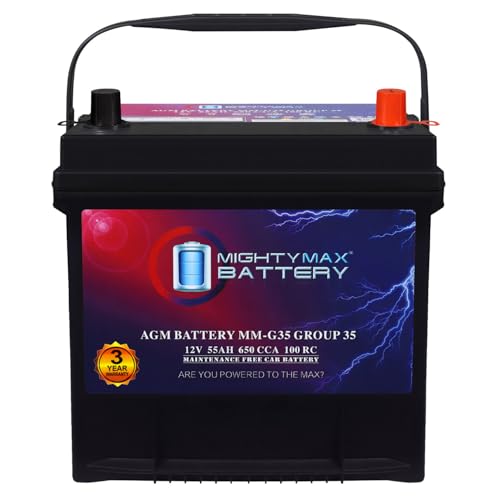
- ✓ Strong starting power
- ✓ Long reserve capacity
- ✓ Spill-proof AGM design
- ✕ Wiring hardware not included
- ✕ Not rated for upside-down mounting
| Battery Type | AGM sealed lead-acid |
| Voltage | 12V |
| Capacity | 55 Ah (20 hour rate) |
| Cold Cranking Amps (CCA) | 650 CCA |
| Reserve Capacity | 100 minutes |
| Dimensions (L x W x H) | 9.06 x 6.89 x 8.82 inches |
< p>When I swapped in the Mighty Max MM-G35, the first thing that stood out was the way it fires up a cold Tacoma like a champ. The 650 CCA and 55Ah capacity mean you’re not guessing whether the engine will turn over—you hear that solid, decisive crank and you’re off running. It’s a practical reminder that a battery can feel like a real performance upgrade.
The construction feels sturdy in your hands, and you can tell the design is built for real-world abuse. It’s an AGM, sealed and spill-proof, so you don’t worry about leaks or messy terminals after a rough trail.
The 100-minute Reserve Capacity gives you a bit of insurance for accessories without hunting for a jump-start.
Mounting is straightforward too. With dimensions around 9.06 by 6.89 by 8.82 inches, it slides into most Tacoma compartments without a fight, and the polarity marking is easy to spot—positive on the right, negative on the left.
The included mounting screws make the install feel quick and confident, not like a scavenger hunt for hardware.
During drives on hot days and cool mornings, the power stays steady. You don’t notice any voltage sag when you turn on A/C or headlights, which is a big relief when you’re trying to keep everything running without drama.
The rugged interior helps resist vibration, so you don’t get weird intervals or stalling on rough dirt roads.
Bottom line: it’s a reliable, no-nonsense battery that feels prepared for the kind of days you actually have, not just theoretical peak performance. If you’re hunting for a solid Tacoma replacement, the MM-G35 checks a lot of boxes you care about in real use.
Installation note: this model doesn’t include a wire harness or mounting accessories, so you’ll want to source those separately. And while it’s versatile in orientation, don’t mount it upside down.
What Should You Consider When Choosing the Best Replacement Battery for Tacoma?
When choosing the best replacement battery for a Tacoma, several important factors should be considered to ensure optimal performance and longevity.
- Compatibility: It is crucial to select a battery that is compatible with your Tacoma’s make and model. Check the specifications in your owner’s manual to ensure the size, terminal placement, and type (lead-acid, AGM, etc.) are appropriate for your vehicle.
- Cold Cranking Amps (CCA): CCA is a key rating that indicates a battery’s ability to start an engine in cold temperatures. For a Tacoma, a higher CCA rating is beneficial, especially if you live in a colder climate, as it ensures reliable starting power during winter months.
- Reserve Capacity (RC): This measures how long a battery can run on its own power without the engine running. A battery with a higher reserve capacity will provide more power for accessories and can be crucial in emergencies when you need to power your truck without the engine.
- Warranty: The warranty period is an important consideration as it reflects the manufacturer’s confidence in the product. A longer warranty often indicates better durability and performance, helping to protect your investment in the long run.
- Brand Reputation: Choosing a well-regarded brand known for quality batteries can make a significant difference in reliability and performance. Research customer reviews and expert recommendations to find reputable manufacturers that produce batteries specifically designed for Tacoma trucks.
- Maintenance Requirements: Different types of batteries come with varying maintenance needs. Opt for a maintenance-free battery for convenience, as these typically do not require regular water checks or topping off, making them a hassle-free option for Tacoma owners.
- Temperature Tolerance: Since batteries can be affected by extreme temperatures, consider a battery designed to operate effectively in your local climate. Some batteries are specifically engineered for high heat or extreme cold, which can enhance performance and lifespan.
What Are the Key Specifications and Requirements for Tacoma Batteries?
When considering the best replacement battery for a Tacoma, it’s essential to focus on several key specifications and requirements.
- Group Size: The battery group size for Tacoma models is typically 24F or 27F, which ensures a proper fit in the battery compartment.
- Cold Cranking Amps (CCA): A minimum of 650 CCA is recommended for reliable starts in cold weather conditions, as it indicates the battery’s ability to start the engine in low temperatures.
- Reserve Capacity (RC): Look for a battery with a reserve capacity of at least 90 minutes, which provides reliable power for electrical components if the alternator fails.
- Voltage: The standard voltage for Tacoma batteries is 12 volts, which is essential for compatibility with the vehicle’s electrical system.
- Maintenance Type: Opt for a maintenance-free battery that is sealed and designed to minimize water loss, ensuring longevity and ease of use.
- Warranty: A warranty of at least 3 to 5 years is ideal, as it reflects the manufacturer’s confidence in their product’s durability and performance.
- Brand Reputation: Choose batteries from reputable brands known for quality and reliability, as this can significantly impact performance and lifespan.
The group size is crucial, as using a battery that fits securely in the Tacoma’s designated space prevents movement and potential damage. Cold Cranking Amps (CCA) are particularly important for those living in colder climates, where insufficient CCA can lead to starting issues. Reserve capacity (RC) offers peace of mind, allowing drivers to rely on their battery in case of electrical system failure.
Maintaining the correct voltage is essential for vehicle function, as a 12-volt battery is standard across most vehicles, including the Tacoma. Maintenance-free batteries are advantageous for those who prefer a hassle-free experience, as they require less attention over time. A solid warranty is a sign of quality assurance, providing coverage for any unforeseen issues that could arise during the battery’s lifespan.
Finally, selecting a battery from a well-regarded brand can often lead to better performance and customer satisfaction, which is critical for ensuring that the replacement battery meets the demands of Tacoma ownership.
Which Batteries Are Top-Rated for Use in Tacoma?
The top-rated batteries for use in a Tacoma include:
- Optima Yellow Top: Known for its deep-cycle capabilities and reliability, this battery excels in high-performance applications.
- DieHard Platinum: This AGM battery provides exceptional starting power and is designed to withstand harsh conditions.
- Odyssey PC1200: With a longer lifespan and superior cranking power, this battery is ideal for off-road adventures.
- ACDelco Professional AGM: This maintenance-free battery offers great durability and performance, making it a solid choice for Tacoma owners.
The Optima Yellow Top is particularly favored for its ability to handle repeated discharges, making it suitable for vehicles with additional accessories or off-road usage. Its unique spiral-cell design ensures a robust performance and longer life compared to conventional batteries.
DieHard Platinum batteries are celebrated for their AGM (Absorbent Glass Mat) technology, which prevents leaks and spills while providing strong starting power in extreme temperatures. This battery is a great fit for those who require reliability and long-lasting performance.
The Odyssey PC1200 is recognized for its ability to deliver high bursts of power and has a cycle life that often exceeds standard batteries. It is built to withstand rugged conditions, making it an attractive option for Tacoma owners who frequently venture off the beaten path.
ACDelco Professional AGM batteries bring the advantage of low self-discharge and excellent vibration resistance, which are critical for maintaining performance in a Tacoma. These batteries are engineered to meet or exceed OEM specifications, ensuring compatibility and reliability for your vehicle’s needs.
How Do the Top Tacoma Batteries Compare in Performance and Durability?
| Battery Model | Performance | Durability | Specifications |
|---|---|---|---|
| Optima Red Top | High cranking power, excellent for cold starts. | Vibration resistant, lasts up to 4-5 years. | 800 CCA, 50 Ah, 38 lbs, 3-year warranty |
| DieHard Gold | Reliable starting power, great for heavy loads. | Durable construction, typically lasts 3-4 years. | 800 CCA, 60 Ah, 36 lbs, 3-year warranty |
| ACDelco Professional | Strong performance in various conditions, good for daily driving. | Designed for longevity, around 3-5 years lifespan. | 750 CCA, 70 Ah, 38 lbs, 3-year warranty |
What Are the Benefits of Upgrading to a High-Performance Battery for Tacoma?
- Enhanced Starting Power: High-performance batteries provide greater cold cranking amps (CCA), which significantly improve the vehicle’s ability to start in cold weather conditions. This is particularly beneficial for Tacoma owners in colder climates, ensuring reliable starts regardless of temperature.
- Increased Lifespan: Many high-performance batteries are designed with advanced materials and technology that extend their lifespan compared to standard batteries. This means fewer replacements over time, resulting in cost savings and reduced environmental impact from battery disposal.
- Improved Performance Under Load: Upgrading to a high-performance battery supports additional electrical accessories, such as winches, lights, and audio systems, without the risk of draining the battery. This ensures that the Tacoma can handle heavy loads and maintain optimal performance during off-road adventures.
- Faster Charging Capability: High-performance batteries often feature quicker charging times, allowing for less downtime between uses. This is especially useful for Tacoma owners who frequently use their vehicles for work or recreational purposes, as it ensures the battery is ready to go when needed.
- Better Vibration Resistance: Many high-performance batteries are built to withstand harsh conditions and vibrations commonly encountered in off-road environments. This durability helps prevent damage to the battery, ensuring consistent performance and reliability even in challenging terrains.
How Much Can You Expect to Spend on a Replacement Battery for Tacoma?
When considering a replacement battery for a Tacoma, the cost can vary based on several factors, including brand, type, and warranty. Here are some options you can expect to encounter:
- Standard Lead-Acid Battery: Typically ranges from $100 to $150.
- Absorbent Glass Mat (AGM) Battery: Generally priced between $150 and $250.
- Lithium-Ion Battery: Usually costs from $400 to $700.
- OEM (Original Equipment Manufacturer) Battery: Often priced around $200 to $300.
- Aftermarket Performance Battery: Can range from $200 to $500 depending on specifications.
The Standard Lead-Acid Battery is the most common option and is suitable for everyday use, offering a reliable power source at a budget-friendly price. These batteries may require more frequent replacement compared to other types, as they are less resistant to deep cycling.
The Absorbent Glass Mat (AGM) Battery is designed for better performance, particularly in extreme conditions, and is spill-proof, making it a safer choice. Its durability and longevity tend to justify the higher price point, especially for those who use their Tacoma in demanding environments.
For those seeking cutting-edge technology, the Lithium-Ion Battery provides the best power-to-weight ratio and can last significantly longer than traditional batteries. However, the steep cost is a consideration, and they are often used in high-performance applications.
The OEM Battery is made specifically for your Tacoma model, ensuring compatibility and reliability. While these batteries are generally more expensive than aftermarket options, they often come with warranties that can provide peace of mind.
Aftermarket Performance Batteries cater to those who require enhanced power and durability for off-road or performance driving. These batteries are engineered to deliver higher cranking amps and longer life, making them a worthy investment for avid outdoor enthusiasts.
How Do You Safely Install a Replacement Battery in a Tacoma?
To safely install a replacement battery in a Tacoma, follow these essential steps:
- Gather Necessary Tools: Before starting, collect all the tools you need, including a wrench, screwdriver, and safety gloves.
- Choose the Right Battery: Ensure you select the best replacement battery for your Tacoma, considering size, type, and specifications.
- Disconnect the Old Battery: Safely remove the old battery by disconnecting the negative terminal first, followed by the positive terminal.
- Remove the Old Battery: Carefully lift the old battery out of its tray, ensuring to maintain a firm grip to avoid dropping it.
- Install the New Battery: Place the new battery into the tray, aligning it correctly, and connect the positive terminal first, then the negative terminal.
- Secure the Battery: Make sure to secure the new battery using any brackets or clamps to prevent movement while driving.
- Check Connections: Double-check all connections to ensure they are tight and secure for optimal performance.
- Test the Installation: Start your Tacoma to confirm that the new battery is functioning correctly and that all electrical systems are operational.
Gathering the necessary tools is crucial for a smooth battery replacement; having a wrench, screwdriver, and safety gloves ready will help you perform the installation safely and efficiently.
Choosing the right battery is essential to ensure compatibility with your Tacoma; look for the specifications recommended in your owner’s manual and consider factors like cold cranking amps (CCA) and reserve capacity (RC) to select the best replacement battery.
To disconnect the old battery safely, always start with the negative terminal to avoid any electrical short circuits, followed by the positive terminal; this practice minimizes the risk of sparks and ensures a safer disconnection process.
When removing the old battery, be cautious as they can be heavy; ensure you maintain a firm grip and lift it straight out to avoid injury or damage to the vehicle.
During the installation of the new battery, ensure it is positioned correctly in the tray to prevent it from shifting, and always connect the positive terminal first to maintain a safe electrical environment.
Securing the battery with brackets or clamps is important to prevent vibrations while driving, which could lead to loose connections or damage over time.
After making the connections, double-check them to confirm that they are tight; loose connections can lead to poor battery performance or electrical issues down the line.
Finally, testing the installation by starting your Tacoma ensures that the new battery is working properly and that all electrical systems, such as lights and radio, are functioning as expected, providing peace of mind for your vehicle’s reliability.
Related Post: